Financial Industry Accelerates Blockchain Adoption as Regulators and Investors Weigh Potential Challenges
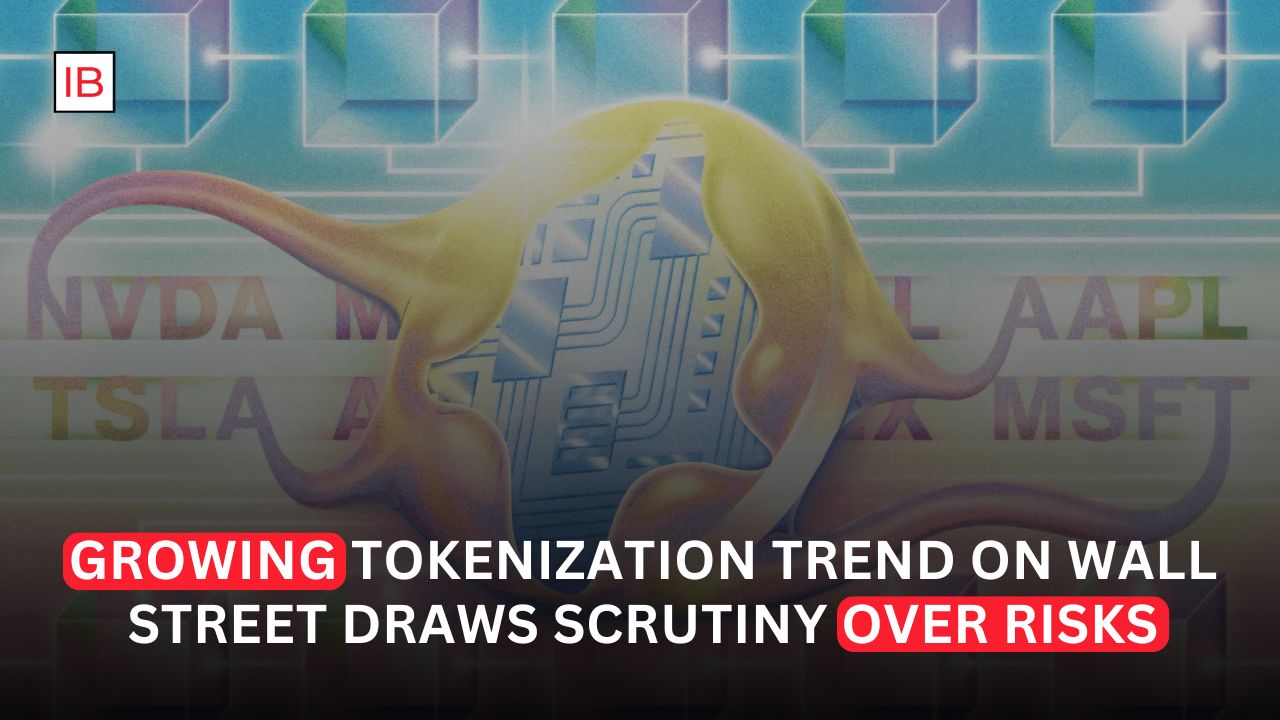
Wall Street’s rapid embrace of tokenization is transforming the way traditional financial assets are issued, traded, and settled, but the technology’s growing adoption is also fueling an increasingly intense debate over its long-term risks. Major banks, asset managers, exchanges, and financial technology firms are investing billions of dollars in tokenized versions of stocks, bonds, money market funds, private credit, and other financial instruments, viewing blockchain technology as the next major evolution of global capital markets. While supporters believe tokenization can dramatically improve efficiency, lower costs, and enable around-the-clock trading, critics warn that the industry’s expansion is moving faster than regulatory safeguards, operational standards, and investor protections.
Tokenization converts ownership rights in traditional assets into digital tokens recorded on blockchain networks. These digital representations can be transferred almost instantly, allowing financial transactions to settle far more quickly than traditional systems. Institutions argue that blockchain-based infrastructure could modernize decades-old financial processes, but policymakers and market participants continue questioning whether the new technology introduces additional risks alongside its potential benefits.
Wall Street Accelerates Blockchain Investment
Large financial institutions have significantly expanded blockchain initiatives during the past two years.
Major investment areas include:
- Tokenized government bonds.
- Digital money market funds.
- Tokenized equities.
- Private credit.
- Stablecoins.
- Digital cash settlement.
Banks and asset managers believe blockchain technology can reduce settlement times from several days to only a few seconds while lowering operational costs by removing multiple intermediaries from financial transactions. Several leading financial institutions have already launched blockchain-based platforms to support tokenized securities and cash management services.
Faster Settlement Remains Key Advantage
Traditional securities transactions often require multiple financial institutions to verify, process, and settle trades.
Tokenization promises:
- Near-instant settlement.
- Continuous 24-hour trading.
- Reduced operational costs.
- Improved transparency.
- Automated corporate actions.
Smart contracts embedded within blockchain systems can automatically process dividend payments, interest distributions, collateral management, and other routine financial activities without manual intervention.
Supporters argue these efficiencies could fundamentally modernize global financial markets over the coming decade.
Real-World Assets Continue Expanding
Tokenization has moved beyond cryptocurrencies into traditional financial markets.
Growing categories include:
- Government debt.
- Corporate bonds.
- Money market funds.
- Real estate.
- Private equity.
- Infrastructure assets.
Asset managers increasingly view tokenization as a method of broadening investor access while improving liquidity in markets that have traditionally been difficult to trade.
Regulatory Questions Remain
Despite rapid growth, regulators continue evaluating how tokenized financial products should be supervised.
Key concerns include:
- Investor protection.
- Market transparency.
- Custody standards.
- Cross-border regulation.
- Operational resilience.
Different jurisdictions currently apply different regulatory frameworks, creating uncertainty for institutions seeking to issue tokenized securities internationally.
Several analysts believe clearer regulatory standards will be essential before tokenization reaches mainstream adoption.
Operational Risks Receive Greater Attention
Blockchain technology introduces new operational challenges alongside its advantages.
Potential risks include:
- Cybersecurity threats.
- Software vulnerabilities.
- Smart contract failures.
- Platform outages.
- System interoperability.
Unlike conventional financial infrastructure, many blockchain applications rely heavily on software code. Programming errors or security flaws could potentially affect large volumes of financial transactions if not properly managed.
International organizations, including the International Monetary Fund, have warned that blockchain-based systems may allow operational problems to spread more rapidly than traditional financial networks.
Market Fragmentation Concerns
Rather than creating one unified financial system, tokenization may initially produce multiple competing platforms.
Different banks and financial institutions continue developing separate blockchain networks.
This raises questions regarding:
- Compatibility.
- Liquidity.
- Cross-platform settlement.
- Standardization.
Without common technical standards, financial institutions may struggle to transfer tokenized assets efficiently between different blockchain ecosystems.
Investor Protection Debate Intensifies
Some tokenized products remain difficult for retail investors to fully understand.
Questions continue regarding:
- Legal ownership rights.
- Voting rights.
- Settlement guarantees.
- Counterparty exposure.
Regulators increasingly emphasize that investors should clearly understand whether digital tokens represent direct ownership of an underlying asset or merely contractual exposure linked to its value.
Long-Term Potential Remains Significant
Despite ongoing concerns, most financial institutions continue viewing tokenization as a transformative technology.
Expected long-term benefits include:
- Lower transaction costs.
- Greater market efficiency.
- Increased financial inclusion.
- Improved liquidity.
- Faster settlement.
Industry participants increasingly compare blockchain’s evolution to the early development of the internet, arguing that widespread adoption may take years but could fundamentally reshape global finance.
Looking Ahead
Wall Street’s rapid adoption of tokenization demonstrates growing confidence that blockchain technology can modernize financial markets by making transactions faster, cheaper, and more efficient. Major banks, asset managers, and exchanges continue expanding blockchain initiatives across a wide range of traditional financial assets, while investors increasingly recognize tokenization as one of the industry’s most important long-term technological developments. At the same time, concerns regarding cybersecurity, operational resilience, regulatory consistency, market fragmentation, and investor protection continue generating active debate among policymakers and financial institutions.
As the tokenized asset market continues expanding, future success will likely depend on balancing innovation with effective regulation. Strong legal frameworks, common technical standards, and robust operational safeguards may ultimately determine whether tokenization fulfills its promise of transforming global capital markets while maintaining the stability and confidence upon which modern finance depends.