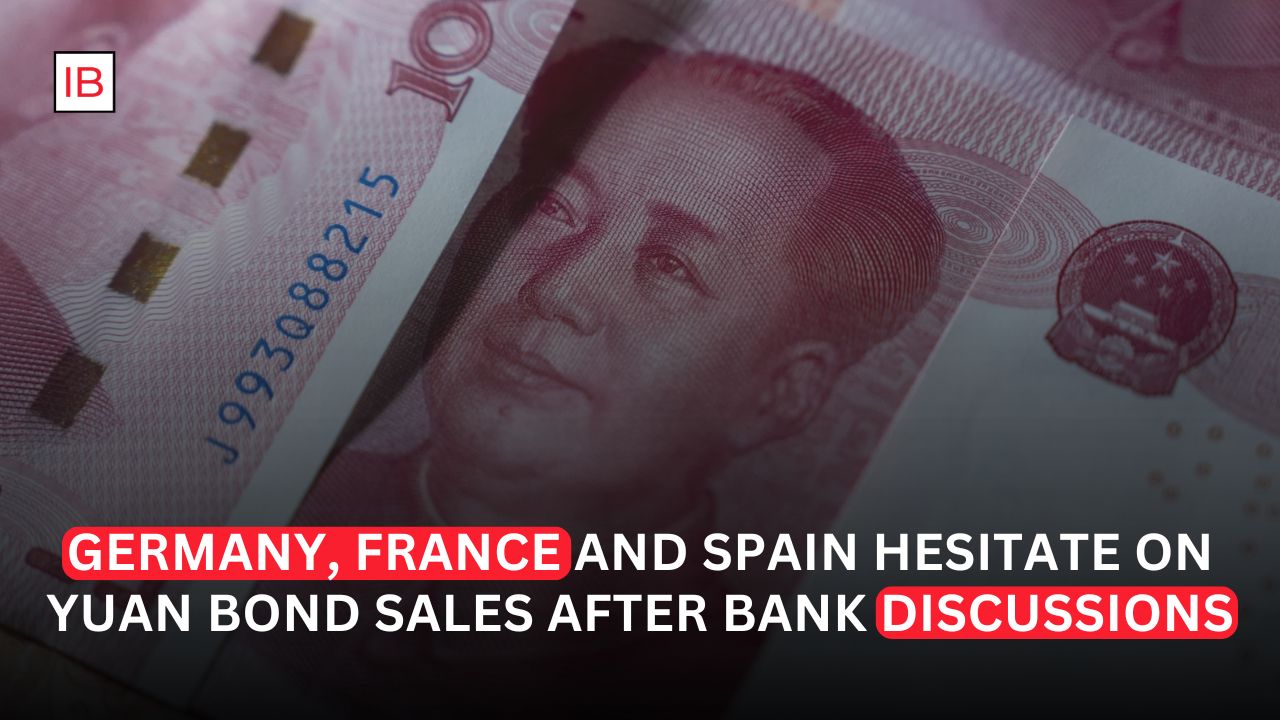
Europe’s Largest Economies Reassess Chinese Currency Borrowing as Financial and Geopolitical Risks Persist
Germany, France, and Spain are showing growing reluctance to move forward with potential yuan-denominated sovereign bond sales, despite recent discussions with major international banks about accessing China’s capital markets. The hesitation reflects increasing concerns over financial risks, market demand, currency exposure, and the broader geopolitical environment as European governments carefully evaluate whether issuing debt in China’s currency aligns with their long-term funding strategies.
Yuan-denominated bonds, often referred to as panda bonds, have gained international attention in recent years as China continues to open its domestic financial markets to foreign borrowers. Several governments and multinational institutions have explored issuing debt in yuan to diversify funding sources, strengthen financial ties with China, and access one of the world’s largest pools of domestic capital. However, recent discussions suggest that Europe’s largest economies remain cautious, preferring to carefully assess the potential benefits against growing economic and political uncertainties before committing to large-scale issuance.
Europe Evaluates Alternative Funding Sources
European governments regularly review multiple options for financing public spending and refinancing existing debt.
Potential objectives of issuing yuan-denominated bonds include:
- Diversifying funding sources.
- Expanding investor bases.
- Strengthening financial cooperation with China.
- Reducing dependence on traditional debt markets.
Although these goals remain attractive in principle, policymakers continue weighing practical challenges associated with borrowing in a foreign currency.
Panda Bonds Attract Global Interest
China has steadily encouraged foreign governments and institutions to issue panda bonds within its domestic bond market.
The initiative supports Beijing’s broader objective of increasing the international use of the Chinese yuan while deepening integration between China’s financial markets and the global economy.
Several international organizations and corporations have successfully issued panda bonds over recent years, demonstrating growing international participation in China’s domestic capital markets.
Currency Risk Remains a Key Concern
One of the primary considerations for European governments is exchange-rate risk.
Borrowing in yuan means governments may face:
- Currency fluctuations.
- Exchange-rate volatility.
- Potential refinancing uncertainty.
If the yuan appreciates significantly against the euro, repayment costs could increase, making foreign-currency borrowing less attractive compared with issuing traditional euro-denominated debt.
For sovereign borrowers with well-developed domestic bond markets, minimizing unnecessary currency exposure remains an important financial objective.
Market Liquidity and Investor Demand
Officials are also evaluating whether sufficient long-term investor demand exists for large sovereign yuan bond offerings.
Considerations include:
- Liquidity in secondary markets.
- Pricing efficiency.
- Long-term funding costs.
- Access to domestic Chinese investors.
Although China’s bond market continues expanding rapidly, European governments seek confidence that any issuance would achieve competitive pricing while maintaining stable investor demand.
Geopolitical Environment Influences Decisions
Broader geopolitical developments have become increasingly important in sovereign financing decisions.
Relations between Europe and China continue evolving across:
- Trade.
- Technology.
- Investment.
- National security.
These factors have encouraged European governments to proceed cautiously when considering financial initiatives that may deepen dependence on Chinese capital markets.
Europe Continues Diversifying Financial Partnerships
Despite current hesitation, European governments remain committed to maintaining broad international financial relationships.
Debt management strategies continue emphasizing:
- Stable funding.
- Diverse investor participation.
- Competitive borrowing costs.
- Financial resilience.
Officials regularly assess opportunities across global capital markets while seeking to preserve flexibility in sovereign financing operations.
China Promotes Yuan Internationalization
Expanding international use of the yuan remains a long-term priority for Chinese policymakers.
Increasing overseas participation in domestic bond markets supports broader goals including:
- Greater global use of the yuan.
- Deeper financial market integration.
- Enhanced international investment.
Panda bond issuance has become one of several initiatives designed to strengthen China’s position within the international financial system.
Investors Watch Future Developments
Financial institutions continue monitoring discussions between European governments and Chinese market participants.
Future decisions will likely depend on:
- Market conditions.
- Interest-rate trends.
- Exchange-rate stability.
- Regulatory developments.
- Geopolitical relationships.
Although no immediate issuance appears likely, discussions remain active as governments continue evaluating future financing options.
Looking Ahead
Germany, France, and Spain’s cautious approach toward yuan-denominated sovereign bond issuance highlights the complex balance between expanding access to global capital markets and managing financial, currency, and geopolitical risks. While China’s domestic bond market offers attractive opportunities for funding diversification and investor expansion, European policymakers continue prioritizing financial stability and prudent debt management before making significant commitments to foreign-currency borrowing.
Looking forward, panda bond issuance by major European sovereigns will likely remain under consideration as international financial markets continue evolving. Future progress will depend on currency stability, investor demand, regulatory clarity, and broader diplomatic relations between Europe and China. Until greater certainty emerges across these areas, Europe’s largest economies appear likely to maintain a measured and cautious approach toward issuing sovereign debt in the Chinese yuan.