Party Struggles to Balance Progressive Energy, Moderate Appeal, and Voter Trust Ahead of Key Elections
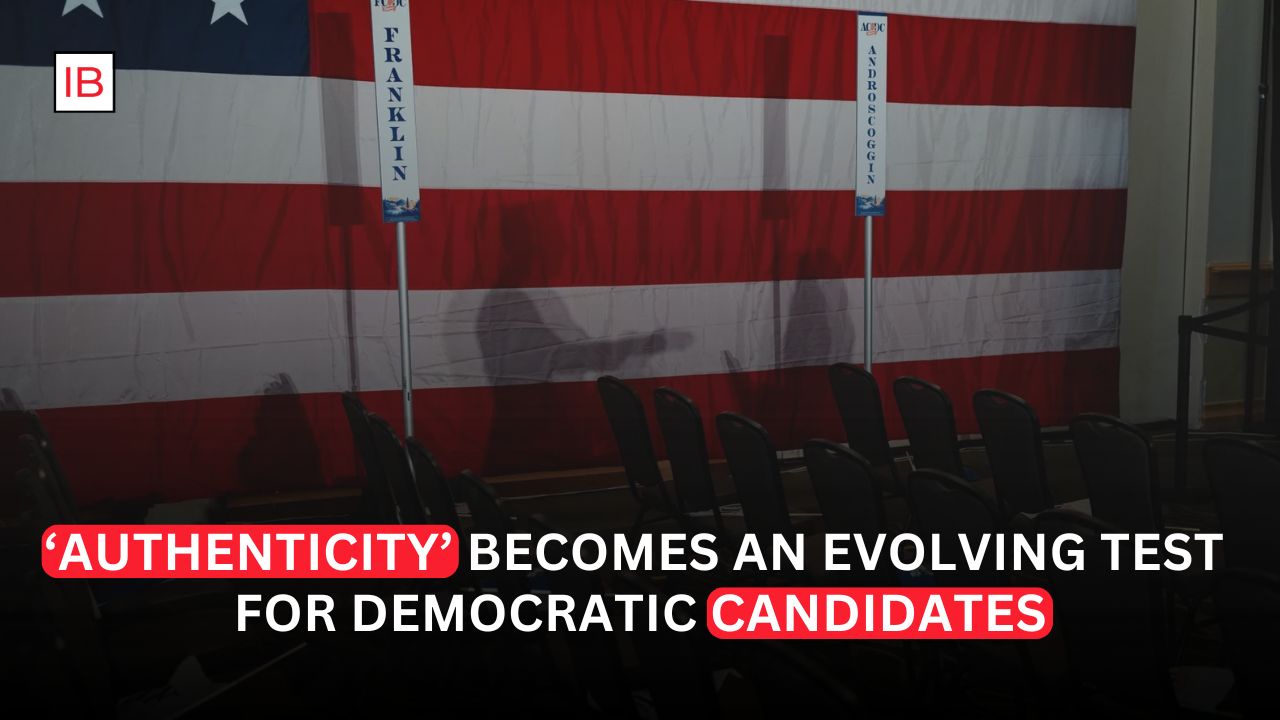
As Democrats prepare for a series of critical elections, one of the party’s biggest challenges is no longer simply choosing between progressive and moderate policies—it is convincing voters that candidates are authentic. Across the United States, Democratic campaigns are increasingly discovering that voters expect leaders to appear genuine, consistent, and personally credible, regardless of where they fall on the ideological spectrum. Political strategists argue that authenticity has become one of the most valuable assets in modern campaigns, but also one of the hardest qualities to define and maintain.
The debate comes at a time when the Democratic Party is experiencing significant internal change. Progressive candidates have secured several high-profile primary victories in recent months, reflecting growing enthusiasm among liberal voters for more ambitious economic and social policies. At the same time, party leaders remain focused on winning competitive general elections in politically divided states, creating ongoing tension between ideological enthusiasm and electoral pragmatism. As campaigns adapt to rapidly changing voter expectations, authenticity has emerged as a central theme shaping both candidate selection and campaign strategy.
Progressive Momentum Reshapes the Party
Recent primary elections have highlighted the growing influence of progressive Democrats.
Candidates campaigning on issues such as:
- Expanding healthcare access.
- Higher taxes on large corporations.
- Stronger labor protections.
- Climate investment.
have attracted considerable grassroots support in several states.
Victories by progressive candidates suggest that many Democratic voters increasingly favor candidates who clearly communicate their personal beliefs rather than carefully calibrated political messaging.
Authenticity Matters More Than Ever
Campaign advisers increasingly believe voters reward candidates who appear genuine and consistent.
Rather than focusing exclusively on polished speeches or carefully managed media appearances, many campaigns are emphasizing:
- Personal stories.
- Direct voter engagement.
- Transparent communication.
- Consistent policy positions.
Social media has amplified this trend by allowing voters to observe candidates more closely and evaluate whether public messaging aligns with personal behavior.
Balancing Principle and Electability
The Democratic Party continues facing a strategic dilemma.
Progressive activists argue that candidates should campaign confidently on bold policy agendas without compromising core values.
More moderate leaders emphasize the importance of appealing to independent and swing voters in competitive states.
The challenge lies in maintaining authenticity while building broad electoral coalitions capable of winning national elections.
Grassroots Expectations Continue Changing
Polling suggests many Democratic voters increasingly expect candidates to speak plainly about their priorities.
Key issues include:
- Economic inequality.
- Healthcare.
- Reproductive rights.
- Climate policy.
- Corporate taxation.
Rather than seeking ideological moderation alone, many voters appear more interested in whether candidates genuinely believe the policies they advocate.
Establishment Faces New Pressures
The rise of progressive candidates has also placed pressure on the party’s traditional leadership.
Several establishment-backed candidates have recently lost competitive primaries despite receiving endorsements from prominent Democratic officials.
These outcomes suggest endorsements alone may carry less influence when voters perceive challengers as offering clearer convictions or stronger personal authenticity.
Republicans Seek Political Advantage
Republicans have responded by portraying progressive Democratic candidates as too ideologically extreme.
Campaign messaging has increasingly focused on characterizing left-wing proposals as unrealistic or economically risky.
Democrats therefore face the dual challenge of maintaining authenticity with their own voters while persuading broader electorates that their policies remain practical and credible.
Social Media Changes Campaign Dynamics
Digital platforms have fundamentally altered political communication.
Candidates now interact directly with voters through:
- Live broadcasts.
- Podcasts.
- Social media.
- Community events.
These channels provide greater opportunities to demonstrate authenticity but also expose candidates to greater scrutiny, making consistency more important than ever.
Looking Ahead
Authenticity has become one of the defining themes shaping the Democratic Party as it navigates an evolving political landscape. With progressive candidates gaining momentum and voters placing greater emphasis on sincerity, consistency, and personal credibility, campaigns are increasingly moving beyond traditional messaging strategies toward more direct engagement with the public. While policy differences remain important, the ability to convince voters that candidates genuinely believe in their positions may prove equally decisive in future elections.
Looking ahead, Democrats are expected to continue balancing grassroots enthusiasm with the practical demands of winning competitive elections. As the party prepares for future contests, authenticity is likely to remain a moving target—one shaped not only by ideology but also by changing voter expectations, evolving campaign technologies, and the broader political environment. Candidates who successfully combine clear principles with broad public appeal may ultimately define the party’s next generation of leadership.