Decision Comes After Presidential Pardon Removes Criminal Conviction That Had Underpinned the Regulatory Case
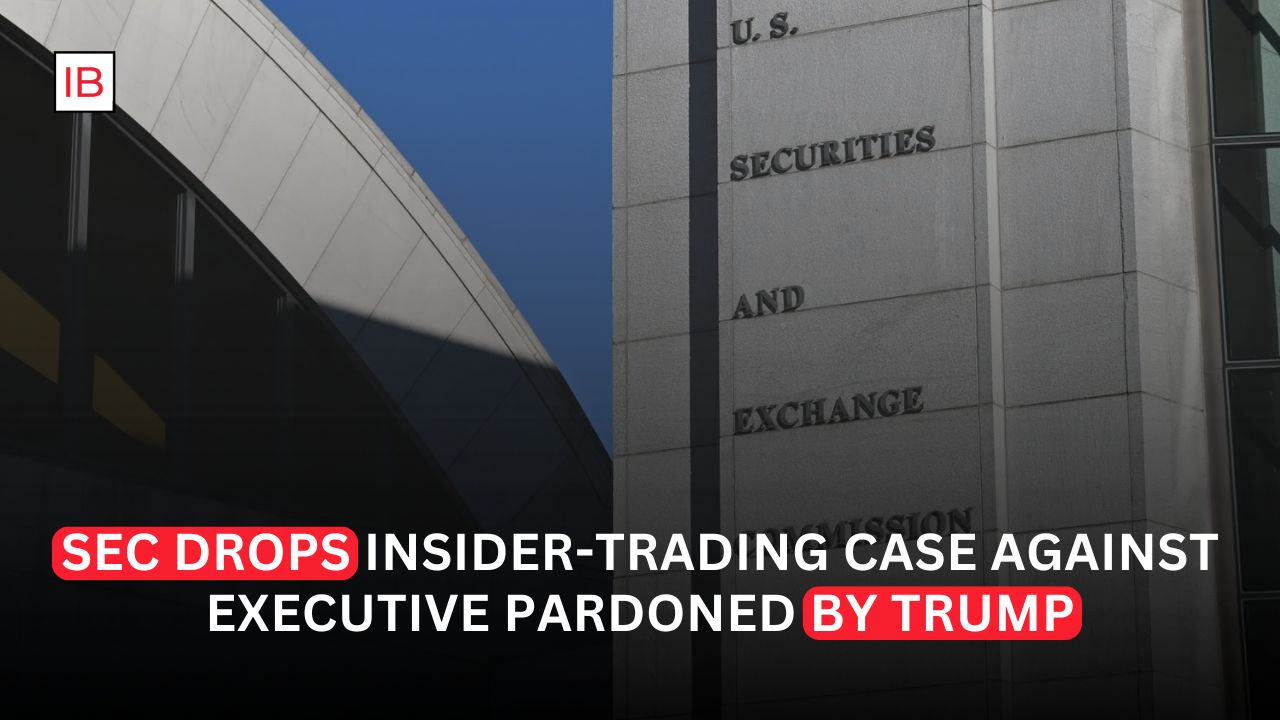
The US Securities and Exchange Commission has dropped an insider-trading lawsuit against an executive who was previously pardoned by President Donald Trump, bringing an unusual chapter in the case to a close.
The decision highlights the potential consequences of presidential pardons for related civil and regulatory proceedings. While a presidential pardon does not automatically erase the underlying conduct or prevent every type of civil action, the resolution of this case demonstrates how the removal of a criminal conviction can affect the government’s broader legal strategy.
SEC Ends Civil Case
The SEC had pursued the executive over allegations connected to insider trading.
The agency’s decision to abandon the lawsuit comes after Trump granted the executive a presidential pardon.
The case had been linked to a previous criminal proceeding, making the pardon an important development in the government’s ability to continue pursuing related claims.
The SEC’s move effectively ends the particular enforcement action against the executive.
What a Presidential Pardon Means
A presidential pardon can eliminate federal criminal penalties associated with a conviction, but it does not necessarily establish that the underlying conduct never occurred.
Civil and regulatory proceedings operate under different legal standards and authorities.
However, when a civil enforcement action is closely connected to a criminal conviction, changes to the criminal case can significantly affect the government’s litigation strategy.
Insider Trading Remains a Major Enforcement Issue
Insider trading is among the most closely watched areas of securities enforcement.
The SEC generally seeks to prevent individuals with access to confidential, market-moving information from using that information for personal financial gain.
Illegal insider trading can undermine investor confidence because ordinary investors may believe they are competing on an uneven playing field.
The SEC has historically pursued both individuals and companies involved in alleged securities violations.
Why the Case Matters
The decision is notable because of the unusual intersection between presidential power and securities regulation.
The case raises questions about how executive clemency can influence other government proceedings connected to criminal conduct.
It also demonstrates the different roles played by federal prosecutors and financial regulators.
The Justice Department handles federal criminal prosecutions, while the SEC has authority to pursue civil enforcement actions involving violations of securities laws.
Broader Regulatory Implications
The SEC’s decision could attract attention from lawyers and market participants because it demonstrates how developments in criminal cases can affect regulatory enforcement.
Civil securities cases can involve:
- Financial penalties.
- Trading restrictions.
- Disgorgement.
- Industry bans.
- Other regulatory remedies.
Even when criminal proceedings end, regulators can sometimes continue pursuing separate claims.
Political Dimension
Trump’s involvement adds a political dimension to the case.
Presidential pardons are among the broadest forms of federal executive clemency, and their use can attract significant political and legal scrutiny, particularly when the recipient was involved in a high-profile financial crime.
The SEC’s decision could therefore become part of a broader debate about the boundaries between presidential clemency, financial regulation and accountability.
Impact on Investors
For investors, the case reinforces the importance of confidence in securities-market enforcement.
Financial markets depend heavily on the perception that trading rules are applied consistently.
If investors believe individuals with privileged access to confidential information can avoid meaningful consequences, confidence in market fairness could suffer.
Looking Ahead
The SEC’s decision to drop the insider-trading lawsuit against the pardoned executive marks a significant development in a case that sits at the intersection of financial regulation and presidential power.
The outcome does not necessarily change the SEC’s broader approach to insider-trading enforcement. The agency continues to have extensive authority to investigate suspected violations and pursue civil penalties where it believes securities laws have been broken.
However, the case illustrates how presidential clemency can create complicated legal consequences beyond the criminal justice system. It is likely to remain of interest to securities lawyers, regulators and investors as debates continue over the relationship between executive pardons and financial-market enforcement.