Kyiv Faces Increasing Difficulty Tracking and Publicizing the Scale of Russia’s Missile Campaign
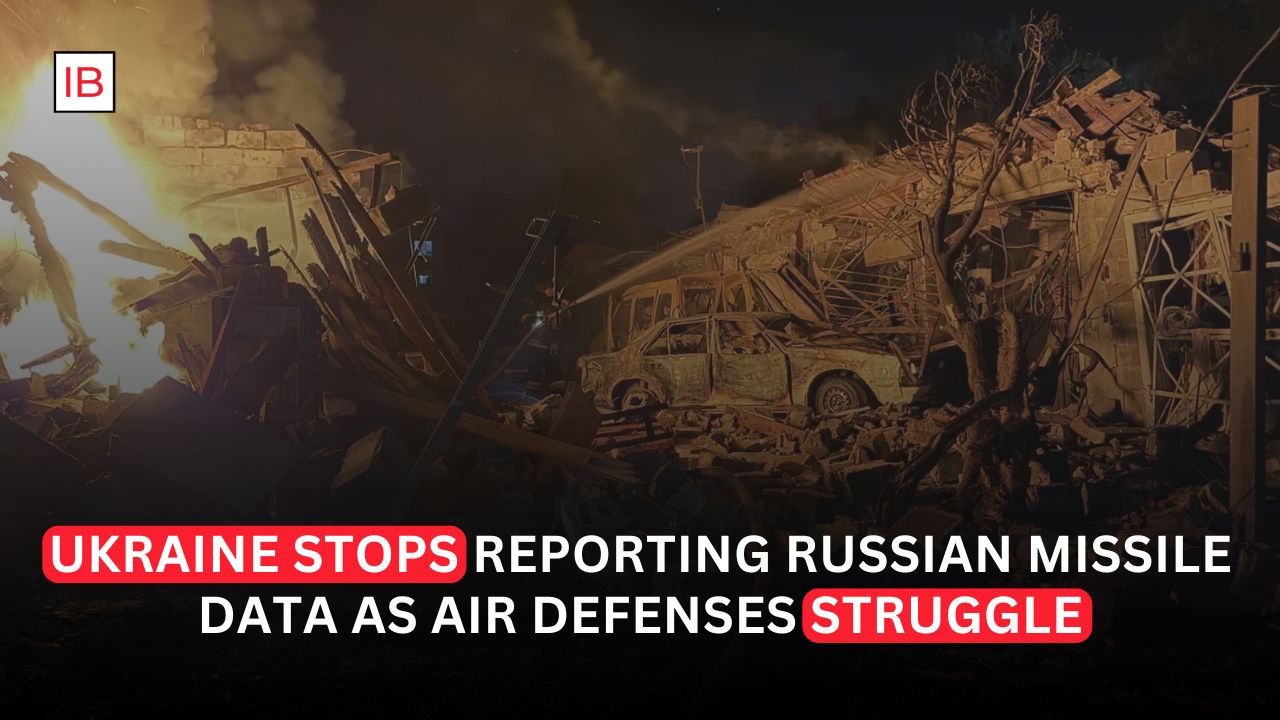
Ukraine has stopped publicly reporting some of its detailed data on Russian missile attacks as the country’s air-defense system faces growing pressure from increasingly intense Russian strikes.
The decision reflects a difficult wartime calculation. Detailed information about the number and types of missiles used can help the public understand the scale of attacks, but such data can also reveal information that may be useful to Russia when it assesses Ukrainian defenses.
The change comes as Moscow continues expanding the scale and sophistication of its aerial campaign.
Russia Intensifies Missile Attacks
Russian forces have increased their use of missiles and drones against Ukrainian targets.
Recent attacks have demonstrated the growing pressure on Ukrainian air defenses, with Russian forces using combinations of drones and different missile systems.
Ukraine has repeatedly warned that it needs additional air-defense capabilities to protect major cities, energy infrastructure and other critical facilities.
Recent reporting indicates that Russian attacks have continued to cause civilian casualties and damage across Ukraine.
Why Ukraine’s Data Matters
Ukraine’s military has frequently reported information about incoming Russian missiles and the number intercepted by its air defenses.
Those figures serve several purposes.
They inform Ukrainian citizens about the scale of attacks and provide international partners with evidence of the military pressure facing the country.
They also help demonstrate Ukraine’s need for additional defensive systems and ammunition.
However, detailed reporting can potentially provide adversaries with information about defensive performance.
Air-Defense Systems Under Strain
Ukraine has relied heavily on Western-supplied air-defense systems throughout the war.
Systems such as Patriot and other advanced platforms have played an important role in defending population centers and critical infrastructure.
But these systems are expensive and limited in number.
They also require specialized ammunition, trained personnel and maintenance.
A sustained increase in Russian missile launches can therefore place significant pressure on Ukraine’s defensive capabilities.
Russia Uses Different Types of Weapons
One of the challenges facing Ukrainian air defenses is the diversity of Russia’s arsenal.
Russian forces can combine drones with cruise missiles and ballistic weapons.
Different systems travel at different speeds and trajectories, making them difficult to intercept using a single type of defense.
The use of large numbers of relatively inexpensive drones can also force defenders to expend valuable resources before more sophisticated missiles arrive.
The Cost of Interception
Air-defense economics are another major concern.
An interceptor missile can cost substantially more than some of the weapons it is designed to destroy.
That creates a long-term sustainability problem if attacks continue at a high rate.
Ukraine must therefore balance the need to protect important targets with the limited supply of defensive ammunition.
This is one reason Kyiv continues seeking additional systems and international assistance.
Russia May Benefit From Information
Public data can potentially provide Russia with clues about Ukraine’s defensive network.
Patterns in interception rates, missile types and locations can reveal which weapons are most effective and where defenses may be weaker.
Reducing the amount of publicly released information can therefore make it more difficult for Russia to assess the effectiveness of Ukrainian air-defense systems.
The decision illustrates how wartime information management has become part of the broader conflict.
Civilian Infrastructure Remains Vulnerable
Russian aerial attacks have repeatedly targeted Ukrainian cities and infrastructure.
Energy facilities are particularly important because damage to power infrastructure can affect households, businesses and industrial production.
Ukraine has warned of further attacks on critical infrastructure as Russia continues its campaign.
Protecting those facilities requires more than simply intercepting missiles.
Ukraine also needs redundancy, rapid repairs and alternative energy sources.
International Support Is Crucial
Ukraine’s ability to maintain its air-defense network depends heavily on international assistance.
Western allies have supplied air-defense systems, ammunition and other military equipment.
But demand has increased as Russian attacks intensify.
Ukraine therefore faces a continuing challenge: maintaining enough defensive capacity to protect its population while also preserving systems and ammunition for future attacks.
A Changing Air War
The growing importance of drones and missiles has transformed the character of the war.
Russia can launch large-scale aerial attacks from a distance, while Ukraine has increasingly developed its own long-range drone capabilities.
The result is an expanding aerial contest in which both sides are attempting to overwhelm or bypass the other’s defenses.
This makes air defense one of the most important components of Ukraine’s military strategy.
Looking Ahead
Ukraine’s decision to reduce or stop reporting some detailed Russian missile data reflects the increasing sensitivity surrounding its air-defense capabilities.
As Russia continues to develop larger and more complex aerial attacks, Ukraine must protect both its population and the information that reveals how its defenses operate.
The challenge is particularly serious because advanced air-defense systems are limited, expensive and dependent on foreign supplies.
For Ukraine, maintaining effective defenses will remain critical to protecting major cities, energy infrastructure and military facilities.
For its international partners, the continuing pressure on Ukrainian air defenses provides another indication of the scale of resources required to withstand Russia’s evolving missile and drone campaign.