Underwater Warfare Draws New Attention as Defense Investors Look Beyond Traditional Naval Weapons
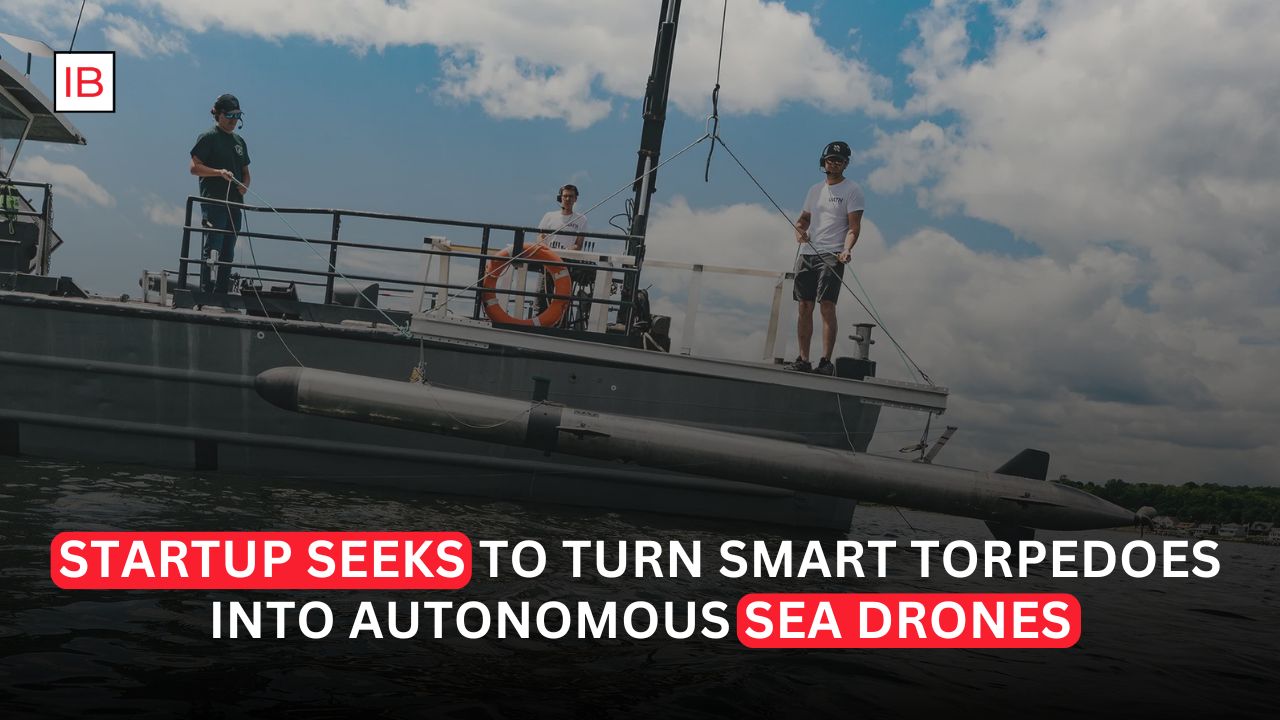
The war involving Iran is highlighting a growing area of interest for defense companies and investors: advanced underwater weapons and smart torpedoes. As modern naval warfare becomes increasingly dependent on submarines, unmanned systems and sophisticated sensors, startups developing new technologies for undersea combat are attracting greater attention.
The conflict is demonstrating how difficult it can be to detect and counter threats beneath the surface. That is creating potential opportunities for companies working on next-generation underwater systems, particularly those seeking to combine autonomous technology, advanced sensing and software with conventional naval weapons.
Underwater Warfare Becomes a Strategic Priority
Torpedoes have traditionally been among the most important weapons used in anti-submarine warfare. However, technological advances are changing what modern torpedoes can do.
Today’s systems increasingly incorporate sophisticated guidance, sensors and electronic technologies that allow them to operate in complex underwater environments. The broader defense industry is also exploring greater use of autonomy and artificial intelligence in maritime systems.
The result is a market in which the traditional torpedo is increasingly being viewed as part of a larger network of underwater capabilities.
This includes:
- Advanced underwater sensors
- Autonomous maritime systems
- Submarine detection technologies
- Underwater communications
- Unmanned underwater vehicles
- Next-generation torpedo systems
Iran Conflict Highlights the Undersea Challenge
The conflict surrounding Iran has renewed attention on naval warfare and the importance of controlling strategic waterways.
Iran’s geography gives maritime security particular importance because of its position around the Persian Gulf and the Strait of Hormuz, a critical route for global energy shipments. Any military confrontation in the region can therefore create significant consequences for naval forces, commercial shipping and energy markets.
The conflict is also demonstrating why underwater capabilities remain valuable even as drones, missiles and other weapons receive much of the attention in modern warfare.
Submarines can operate with a relatively low visible profile, while underwater systems can be difficult to detect and track. That makes anti-submarine warfare one of the most technologically demanding areas of military operations.
Startups See an Opening in Defense Technology
The growing interest in smart torpedoes is part of a broader transformation in the defense industry.
Historically, sophisticated naval weapons were largely developed by major defense contractors working directly with governments. But advances in software, artificial intelligence, sensors and autonomous systems are creating opportunities for smaller technology companies.
Startups can potentially contribute specialized technologies without having to build complete weapons systems themselves.
For investors, this creates a new category of defense opportunities involving software and electronics alongside traditional aerospace and naval manufacturing.
Artificial Intelligence Moves Underwater
Artificial intelligence is increasingly becoming an important component of military technology, and underwater systems are no exception.
AI can potentially help systems interpret large amounts of sensor information, identify patterns and improve decision-making in environments where communications are limited.
The underwater environment presents unique challenges because signals do not travel through water in the same way they do through air. That makes sensing, navigation and communication particularly difficult.
For companies developing next-generation maritime technology, solving these problems could become a significant competitive advantage.
Defense Investors Look for New Opportunities
The interest in smart torpedoes reflects a wider shift in defense investment.
Venture capital and institutional investors have increasingly looked toward technologies that can provide military forces with cheaper, more flexible and more autonomous capabilities.
Instead of concentrating exclusively on traditional defense contractors, investors are increasingly examining companies involved in:
- Artificial intelligence
- Robotics
- Autonomous systems
- Advanced sensors
- Cybersecurity
- Space technology
- Maritime technology
Underwater systems fit into this trend because they combine several of these technologies into a particularly challenging operating environment.
Existing Torpedo Technology Continues to Evolve
The concept of a “smart” torpedo is not entirely new. Modern heavyweight torpedoes already use sophisticated guidance and sonar systems.
For example, the US Navy’s Mark 48 family has undergone decades of upgrades, including improvements to sonar, guidance and resistance to countermeasures. The evolution of these systems illustrates how torpedoes have moved well beyond the simple unguided underwater weapons of earlier generations.
Iran has also developed advanced torpedo technology. Its Valfajr system is a domestically developed homing torpedo designed for submarine operations, demonstrating that advanced underwater weapons are already part of Iran’s naval capabilities.
The emerging startup opportunity is therefore less about inventing the torpedo itself and more about developing the next generation of sensors, autonomy, software and supporting infrastructure.
Competition for Underwater Technology Intensifies
The growing strategic importance of submarines is encouraging governments to invest more heavily in anti-submarine warfare.
Countries are developing improved maritime surveillance networks, autonomous underwater vehicles and new methods of detecting submerged vessels.
India, for example, has developed the SMART system, a missile-assisted torpedo delivery concept intended to extend the reach of anti-submarine capabilities. The system demonstrates how modern naval forces are combining different technologies to improve their ability to respond to underwater threats.
Such developments could increase demand for specialized suppliers capable of providing components and technologies for future naval systems.
The Commercial Opportunity Comes With Challenges
Despite the potential, investing in underwater weapons is not straightforward.
Defense startups often face long development cycles, complex testing requirements and dependence on government procurement. Maritime systems can also require extensive integration with submarines, surface vessels and broader military networks.
Regulatory and geopolitical considerations can further complicate international sales.
For investors, the opportunity therefore depends not simply on whether a technology works, but whether a company can successfully navigate government contracts, certification, manufacturing and long-term defense relationships.
Looking Ahead
The Iran conflict is putting renewed focus on an area of defense technology that often receives less attention than drones, missiles and aircraft.
Smart torpedoes and autonomous underwater systems could become increasingly important as naval forces seek ways to detect, track and counter increasingly sophisticated underwater threats.
For startups, the opportunity may extend beyond building complete torpedoes. Companies developing advanced sensors, autonomous navigation, underwater communications and artificial intelligence could all benefit from rising investment in maritime defense.
As modern warfare becomes more technologically complex, the competition may increasingly move beneath the surface. The companies capable of combining software, autonomy and advanced sensing with established naval technologies could play an important role in shaping the next generation of underwater warfare.