China’s Internet Giant Delivers Strong Revenue Growth as Advertising Momentum and Gaming Demand Offset Rising AI Investment
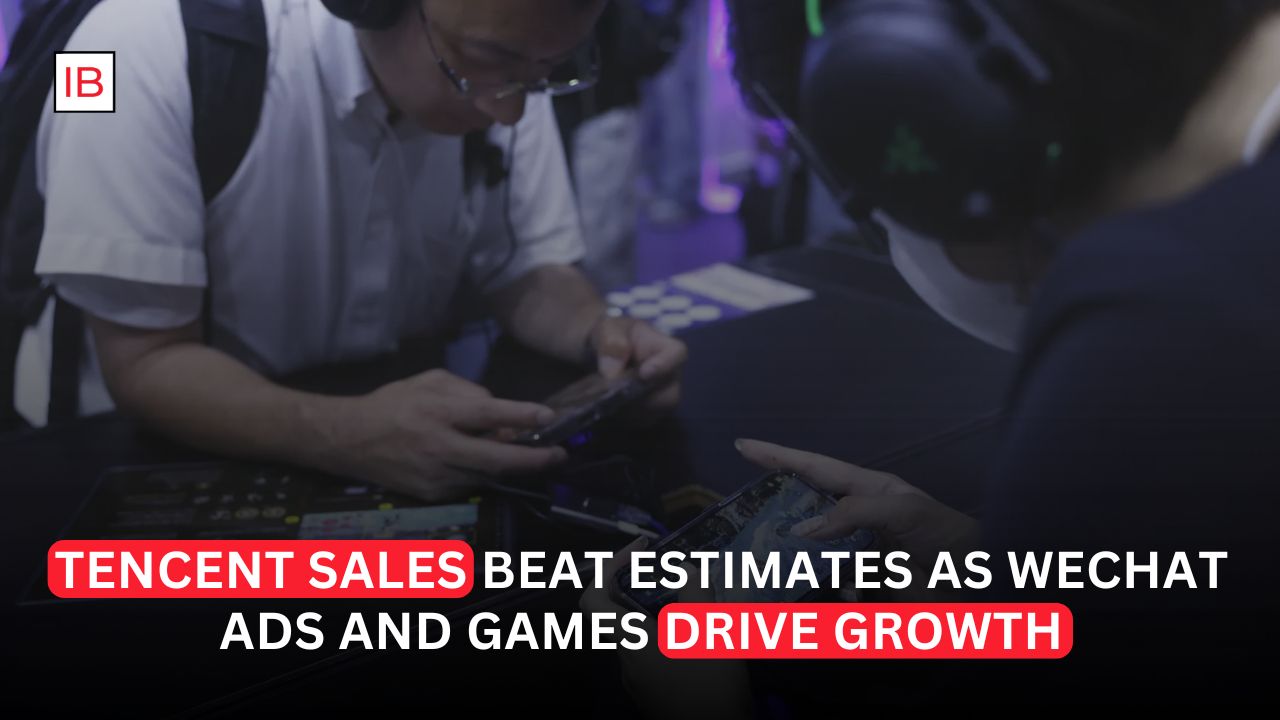
Tencent reported stronger-than-expected second-quarter revenue as a surge in advertising sales and resilient gaming demand helped the company maintain growth despite increasing investment in artificial intelligence.
Revenue rose 11% year over year to 204.8 billion yuan ($30.36 billion) in the quarter, exceeding the average analyst estimate of about 202.2 billion yuan. The performance demonstrates the continued strength of Tencent’s core businesses even as the company commits substantial resources to AI.
The results also highlight the importance of WeChat advertising to Tencent’s future growth. The company’s massive social ecosystem is giving advertisers more opportunities to reach consumers, while AI-powered tools are helping improve targeting and the effectiveness of campaigns.
WeChat Advertising Becomes a Major Growth Engine
Advertising has become one of Tencent’s most important sources of incremental growth.
The company’s marketing-services business has benefited from stronger advertising demand across industries and improvements in its AI-powered recommendation systems.
Tencent said earlier this year that revenue from marketing services increased 20% year over year to 38.2 billion yuan in the first quarter of 2026. The company attributed the improvement partly to upgraded AI-driven advertising recommendations and expanded closed-loop marketing capabilities across the Weixin ecosystem.
That strategy allows advertisers to reach consumers through WeChat and then potentially complete transactions within Tencent’s broader ecosystem.
The combination of advertising, content, payments and commerce gives Tencent an advantage over platforms that operate primarily as advertising businesses.
AI Helps Strengthen Advertising Performance
Artificial intelligence is increasingly becoming part of Tencent’s advertising infrastructure.
The company has been using AI to improve ad recommendations, campaign management, targeting and content creation.
In the first quarter, Tencent said its automated campaign-management solution AIM+ powered about 30% of total marketing-services spending by advertisers, with particularly strong adoption among mini-game, mini-drama and mini-shop advertisers.
The development is important because better advertising technology can allow Tencent to increase revenue without dramatically increasing the number of advertisements shown to users.
Instead, the company can attempt to improve the value of each advertising impression.
Gaming Business Remains Resilient
Tencent’s gaming division continues to provide a strong foundation for the company.
Its portfolio includes some of China’s most popular mobile and PC games, giving Tencent a relatively stable source of revenue even as other parts of the technology sector experience changes in consumer demand.
During the first quarter, domestic games revenue rose 6% year over year to 45.4 billion yuan, while international games revenue increased 13% to 18.8 billion yuan.
Tencent’s established titles, including Honour of Kings and Peacekeeper Elite, continued to perform strongly, while newer releases such as Delta Force added another source of growth.
That combination of evergreen games and new releases has helped reduce Tencent’s dependence on any single title.
Delta Force Adds Momentum
One of the most important developments in Tencent’s gaming business has been the success of Delta Force.
The title has developed into a major franchise and has helped Tencent maintain momentum in domestic gaming.
The company said in its first-quarter review that several of its evergreen games reached lifetime highs in quarterly gross receipts, including Honour of Kings, Peacekeeper Elite and Delta Force.
Tencent is also continuing to expand internationally.
Its global gaming portfolio gives the company access to consumers outside China and provides an additional source of growth as the domestic market becomes increasingly competitive.
Revenue Growth Outpaces Some Expectations
The second-quarter revenue performance demonstrates that Tencent’s core businesses remain relatively strong.
The company generated 204.8 billion yuan in revenue, compared with the 202.2 billion yuan expected by analysts.
However, the company’s bottom-line performance was less impressive.
Net profit increased only 0.7% to 56 billion yuan, falling short of analyst expectations of approximately 61.8 billion yuan.
The difference between revenue growth and profit growth reflects the costs associated with Tencent’s aggressive investment plans, particularly in artificial intelligence.
AI Investment Creates Pressure on Profits
Tencent has been increasing spending on AI as competition intensifies among China’s major technology companies.
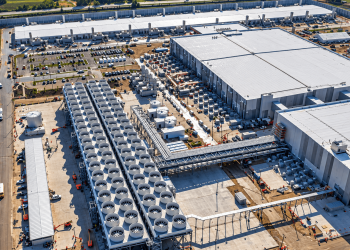
The company is developing its own AI models and investing in infrastructure, computing resources and applications that can be integrated across its businesses.
Tencent previously said it planned to increase AI investment during 2026, including spending on proprietary AI development.
The strategy could create significant long-term opportunities, but it also puts pressure on near-term profitability.
Investors therefore face a trade-off.
Tencent’s core businesses are producing strong cash flows, but a growing portion of those resources is being redirected toward an uncertain and highly competitive AI market.
WeChat Provides a Unique Competitive Advantage
Tencent’s WeChat ecosystem remains one of the company’s biggest strategic assets.
WeChat combines messaging, social media, payments, mini-programs, video, commerce and advertising in a single platform.
The combined monthly active users of Weixin and WeChat reached 1.432 billion in the first quarter, up 2% from a year earlier.
That enormous user base gives Tencent a huge audience for advertisers.
More importantly, the company can connect different parts of the user journey within its ecosystem.
A consumer can discover a product through an advertisement, visit a mini-program, make a purchase and complete payment without leaving Tencent’s broader digital environment.
Mini Programs and Mini Shops Expand Monetization
Tencent is also increasing the commercial value of its ecosystem through Mini Programs and Mini Shops.
These services allow businesses to build digital storefronts and services directly inside WeChat.
The expansion creates additional opportunities for Tencent to earn advertising, transaction and technology-service revenue.
Earlier Tencent disclosures showed that growth in Mini Shops and related technology services was already contributing to the company’s business-services performance.
The strategy could become increasingly important as Chinese consumers shift more commercial activity toward integrated digital platforms.
Gaming and Advertising Balance Each Other
The combination of gaming and advertising gives Tencent a diversified revenue base.
Gaming provides relatively established monetization models and a large portfolio of intellectual property.
Advertising, meanwhile, offers substantial room for expansion because Tencent can continue improving targeting and monetization across its ecosystem.
That balance is particularly valuable as the company increases investment in AI.
If advertising growth continues at a strong pace while gaming remains resilient, Tencent could potentially finance a large portion of its AI expansion through existing businesses.
AI Competition Is Intensifying
Tencent is competing against some of China’s largest technology companies in AI.
Companies across the Chinese technology sector are investing heavily in large language models, AI assistants, cloud computing and AI-powered applications.
The competition is expensive.
Companies must spend heavily on chips, data centers and computing capacity while simultaneously trying to develop commercially successful AI products.
Tencent’s advantage is that it already controls a large consumer ecosystem where AI technology can be integrated into advertising, gaming, social media and cloud services.
Investors Focus on Profitability
The latest results demonstrate why investors are watching Tencent’s AI spending closely.
Revenue growth remains healthy, but profit growth has slowed considerably.
That raises questions about how much the company will spend on AI and how quickly those investments can generate returns.
If AI improves advertising efficiency, gaming development and cloud demand, the investment could eventually produce substantial benefits.
But if competition remains intense and monetization develops slowly, higher AI costs could continue weighing on earnings.
Looking Ahead
Tencent’s latest results show that advertising and gaming remain powerful engines of growth even as the company enters a more expensive phase of its AI strategy.
Revenue of 204.8 billion yuan exceeded expectations, supported by strong advertising sales and resilient gaming activity.
WeChat’s enormous user base provides Tencent with significant opportunities to expand advertising and commerce, while established games and newer titles such as Delta Force continue to support the company’s entertainment business.
The major challenge will be converting those strengths into enough profit growth to offset rising AI investment.
For now, Tencent appears to have a strong financial foundation from which to pursue that strategy. Its advertising business is benefiting from better AI-powered targeting, its gaming portfolio remains robust and its digital ecosystem continues to expand.
The key question for investors is whether Tencent can turn its growing AI investment into a new source of revenue without sacrificing the profitability of the businesses that currently finance its expansion.