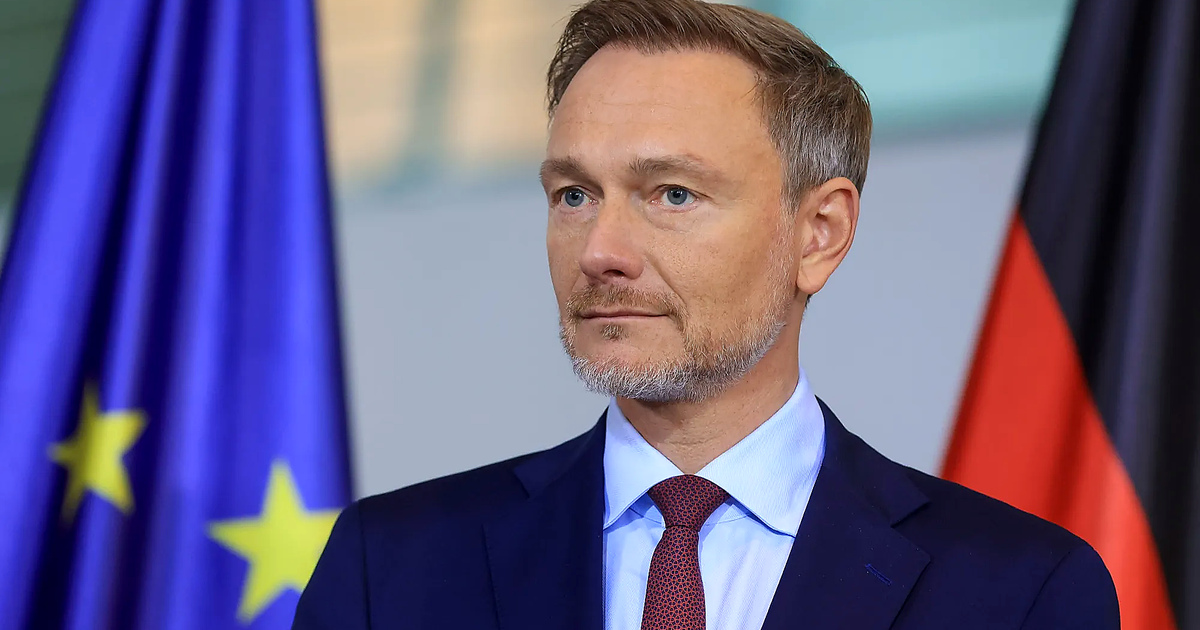
Escalating tariff disputes, protectionist policy shifts, and cross-border commercial friction are inflicting measurable damage on the international economic order. Rising global trade conflicts create severe systemic instability and actively erode prosperity across developed and developing nations alike, according to German Finance Minister Lars Klingbeil. Speaking in Berlin ahead of high-level multilateral summits, Klingbeil underscored the urgent necessity of restoring predictable rules-based commerce amidst mounting macroeconomic uncertainty.
The remarks arrive at a delicate juncture for Europe’s largest industrial power. Persistent geopolitical shocks, aggressive bilateral tariff maneuvers, and localized industrial subsidies have fractured historic commercial corridors. As tracked across global market coverage on InvestorBytes, escalating barriers to entry and supply chain fragmentation continue to reshape balance sheets, compress corporate operating margins, and elevate sovereign borrowing benchmarks across major economies.
The Economic Toll of Escalating Global Trade Conflicts
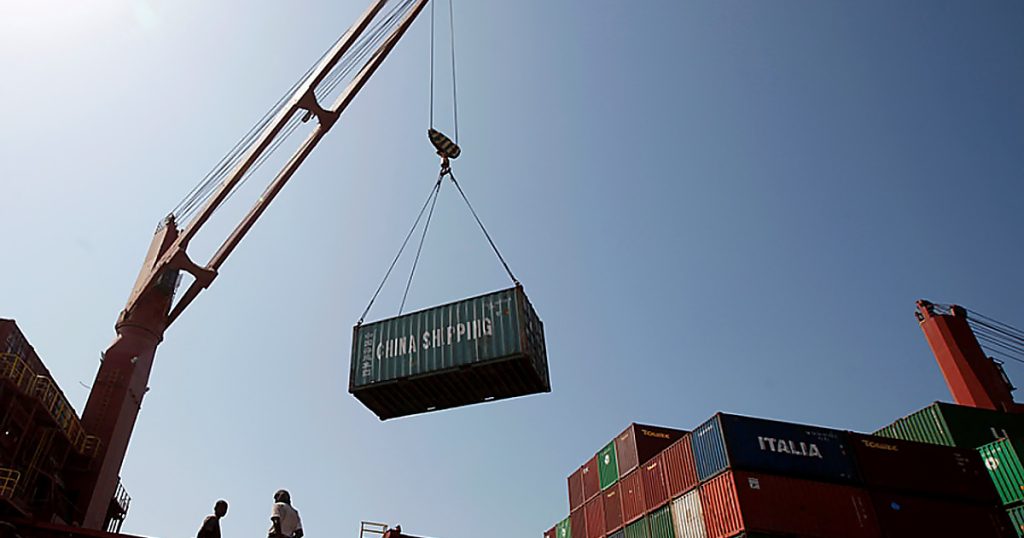
For export-heavy manufacturing hubs, escalating commercial disputes represent more than diplomatic friction they constitute an immediate threat to domestic productivity. In an increasingly multipolar world, retaliatory tariffs distort pricing signals, induce domestic price pressures, and force multinational enterprises into expensive capital reallocation cycles.
“In times of global crises and economic uncertainty, it is more important than ever to build on dialogue and reliable partnerships,” Klingbeil stated before departing for international consultations in Bangkok.
Addressing the structural consequences of protectionism, the minister warned that prolonged global trade conflicts directly undermine standard of living indicators, weaken consumer purchasing power, and hinder capital allocation across border boundaries.
Core Consequences of Commercial Disputes
- Supply Chain Disruption: Bilateral tariff rounds compel corporations to duplicate supply chains across neutral third-party hubs, inflating logistical overhead and structural cost bases.
- Capital Expenditure Freezes: Unpredictable regulatory policies force institutional allocators and industrial conglomerates to delay long-dated manufacturing investments.
- Sticky Import Inflation: Import levies directly elevate producer prices, restricting central banks from executing synchronized monetary easing cycles.
Diplomatic Agendas at the G20 and IMF Summits in Bangkok
The German delegation’s warnings will serve as a focal point at the International Monetary Fund (IMF) annual meetings and the accompanying G20 finance ministers gathering in Bangkok, Thailand. The summit brings together leading finance ministers and central bankers navigating divergent growth trajectories and volatile fiscal deficits.
| Summit Dimension | Strategic Focus | Expected Policy Outcome |
| Multilateral Trade Rules | Countering aggressive non-tariff barriers | Reaffirmation of basic dispute settlement principles |
| Supply Chain Diversification | Mitigating unilateral reliance on concentrated export hubs | Establishing bi-regional “friend-shoring” standards |
| Sovereign Debt Stability | Managing fiscal deficits exacerbated by trade shocks | Coordinated restructuring frameworks for emerging economies |
Throughout the discussions, Klingbeil intends to present Germany as an anchored, transparent investment corridor. “Especially in such an uncertain world, we need strong partners, open markets, and shared rules,” the finance minister noted, framing open commerce as a prerequisite for reviving stagnant European growth metrics.
Navigating Domestic Political Headwinds in Berlin
The finance minister’s diplomatic mission underscores the complex interplay between foreign economic strategy and internal domestic coalition dynamics. Klingbeil’s broader Asia itinerary was initially cast into doubt following the sudden resignation of Baerbel Bas, Germany’s labor minister and co-head of the Social Democratic Party (SPD).
Bas’s departure forced Klingbeil to abruptly cancel a planned state visit to India, leaving the Thailand leg uncertain until confirmed hours before departure. The domestic political reshuffling highlights the mounting fiscal pressures confronting Berlin’s coalition, where leaders must balance internal welfare commitments against shrinking tax receipts caused by lagging industrial demand.
Investors monitoring broader sovereign debt patterns and regional monetary policies on InvestorBytes Markets will recognize that political fragmentation in core European capitals continues to constrain cohesive fiscal responses against systemic international competition.
Coordinating Against Compound Geopolitical Crises
Accompanying Klingbeil to the Bangkok summits is German Development Minister Reem Alabali-Radovan, who echoed calls for coordinated multilateral action to manage compound global disruptions.
“Acute crises are occurring ever more frequently,” Alabali-Radovan emphasized, pointing to the structural intersection of climate adaptation costs, regional conflict zones, and geopolitical fragmentation. “And their consequences are being felt around the world more often.”
Both ministers stressed that unilateral economic defense mechanisms such as blanket tariffs, punitive border duties, and exclusionary procurement rules fail to insulate domestic industries from external volatility. Instead, sustained exposure to global trade conflicts fragments sovereign alliances, penalizes emerging economies, and raises the aggregate cost of international development assistance.
Strategic Implications for Global Capital and Equity Markets
As policymakers convene in Bangkok, the broader market consensus is reconciling with a structurally more protectionist world order. The post-Cold War era of seamless international arbitrage is rapidly yielding to state-directed industrial policy, targeted technology export controls, and defensive tariff walls.
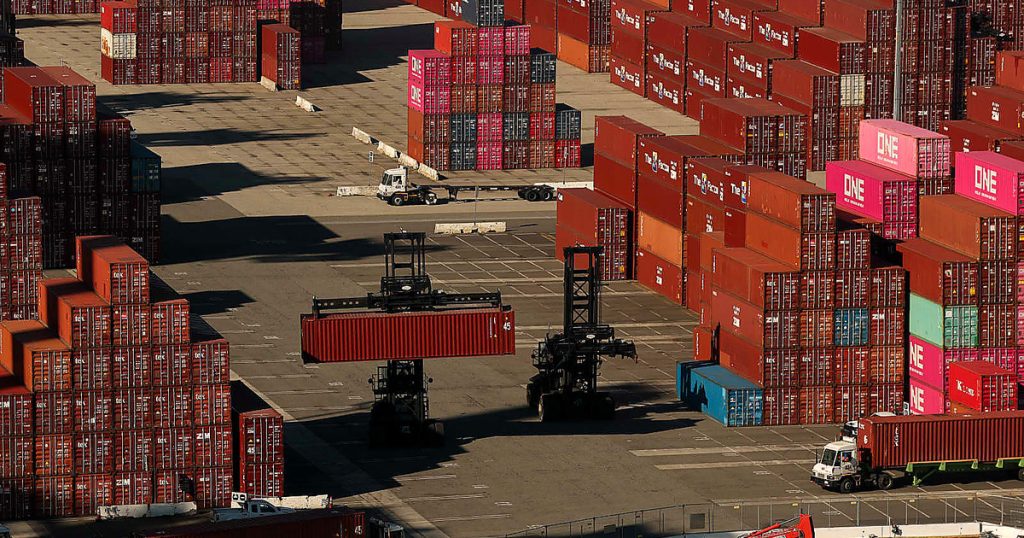
For institutional allocators, navigating persistent global trade conflicts requires recalibrating corporate valuation models away from low-cost geographic concentration toward supply chain redundancy and domestic subsidy capture. Until the G20 and multilateral institutions restore enforceable dispute mechanisms, cross-border commerce will remain exposed to elevated policy risk, volatile shipping tariffs, and localized inflationary pressures.
Disclaimer
The information provided in this article is for educational, journalistic, and informational purposes only and does not constitute formal financial, legal, or investment advice.