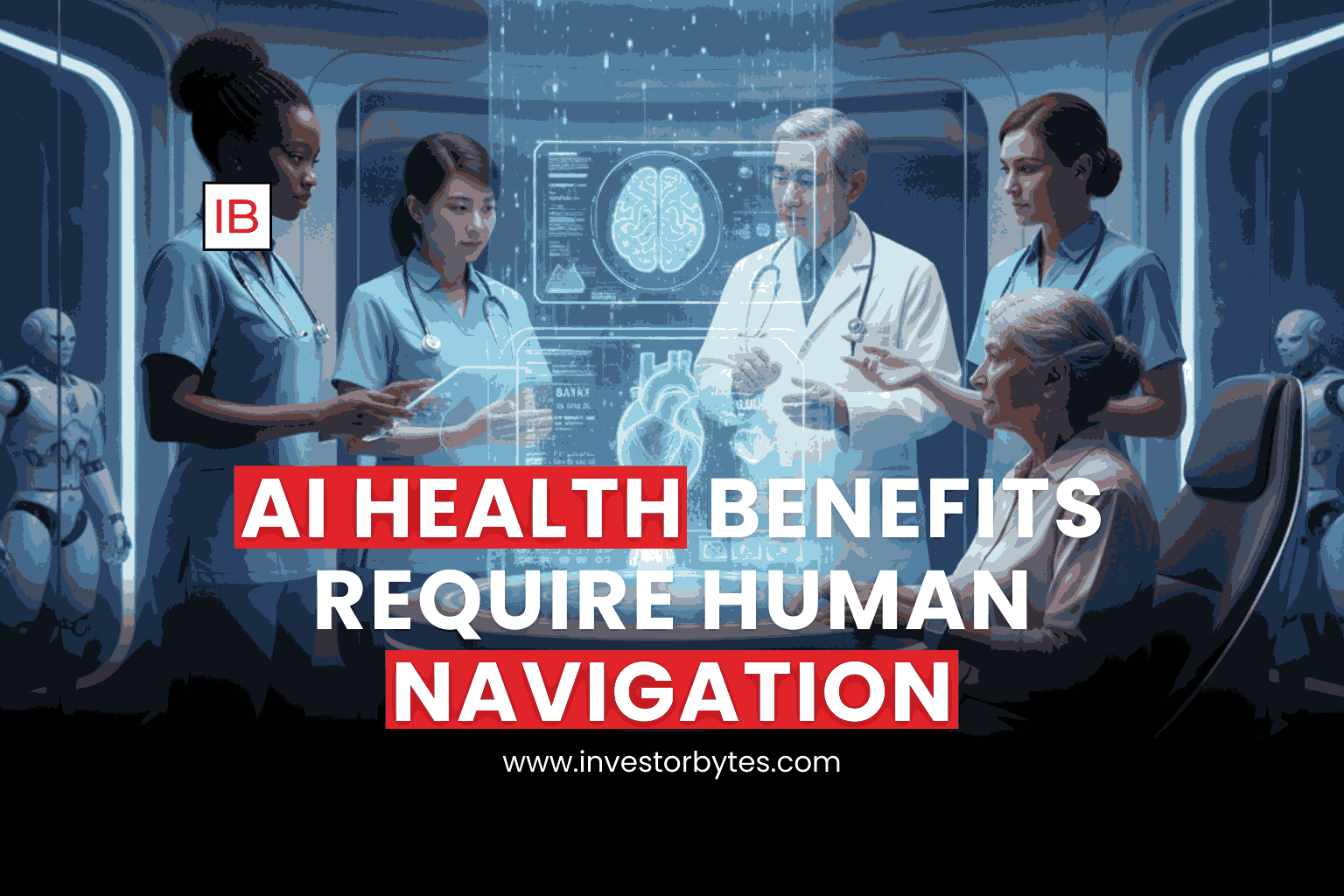
In 2026, the integration of Artificial Intelligence into health benefit management has reached a critical tipping point. While Agentic AI—AI that can observe, plan, and act autonomously—has streamlined the “paperwork” of healthcare, industry leaders are warning of a growing “empathy gap” that only human intervention can bridge.
Reports from early February 2026 emphasize that while AI is excellent at processing billions of data points, it lacks the reasoning and judgment required for sensitive employee wellness cases.
The Efficiency vs. Empathy Dilemma
Companies are increasingly deploying AI “co-pilots” to handle the administrative heavy lifting, but the human-led oversight is what maintains employee trust.
AI’s Strength: Automated claims processing, 24/7 mental health chatbots, and predictive analytics that can spot signs of burnout before an employee even realizes they are stressed.
The Human Requirement: When an employee is facing a complex chronic diagnosis or a family crisis, “algorithmic recommendations” can feel cold and reductive. Experts argue that AI should augment, not replace, the human workforce to prevent workers from feeling like “data points” rather than individuals.
The Shift in 2026: Leading organizations are moving toward “Ambient Engagement,” where AI works in the background to handle scheduling and documentation, specifically to give human advisors more time to spend with employees.
Key Trends in Human-AI Synergy
A “Human-in-the-Loop” strategy has become the gold standard for HR departments looking to maximize the ROI of their health tech.
| AI Function | Human Navigation Role |
| Predictive Risk Modeling | An advisor reviews AI flags for “high-risk” health patterns to provide personalized, compassionate outreach. |
| Claim Analysis | Humans handle the “gray area” appeals where rigid AI logic may have unfairly denied a complex medical necessity. |
| 24/7 Mental Health Chatbots | AI provides immediate stress-relief tools but triggers a live “warm handoff” to a human counselor if crisis keywords are detected. |
| Plan Recommendations | AI suggests the most cost-effective plans; human navigators help employees understand the “life impact” of those choices. |
The Risks of “Un-Navigated” AI
Industry researchers highlight several “red flags” for companies that rely too heavily on automated benefit systems without human oversight:
Algorithmic Bias: Without human audits, AI systems can inadvertently perpetuate health disparities by using cost as a proxy for illness, often under-serving minority groups.
Hyper-Vigilance Anxiety: Continuous AI health monitoring can lead to “surveillance stress,” where employees feel scrutinized rather than supported.
Decision Fatigue: Presenting employees with too many AI-generated “optimal” choices without a human to explain the why can lead to benefit paralysis.
“The breakthrough of 2026 isn’t just better AI—it’s the reinvention of the human-led roadmap. We are using technology to give caregivers and HR leaders their time back, so they can focus on the empathy that machines simply cannot replicate.” — Healthcare Strategy Report, Jan 2026