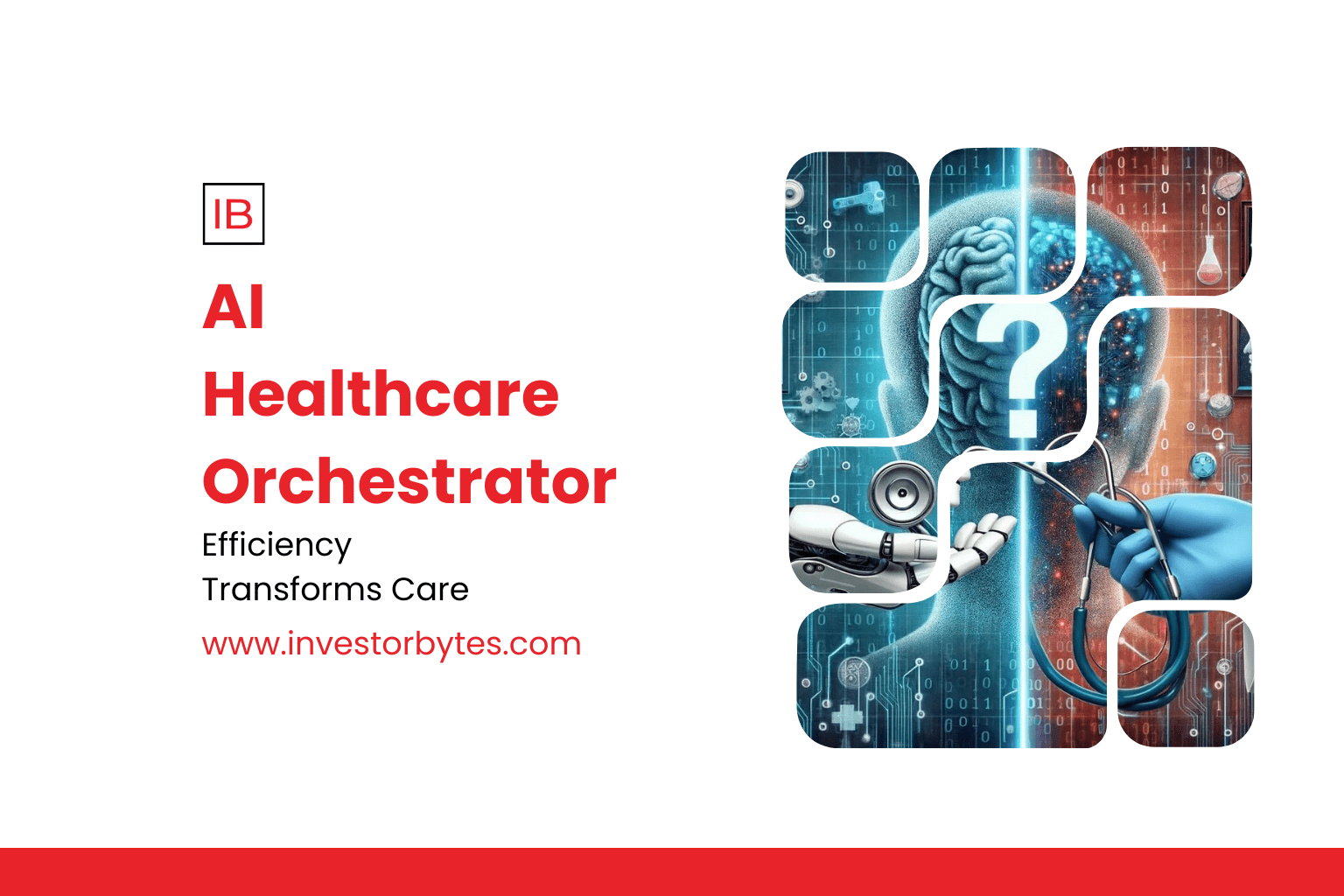
A new AI orchestrator transforms clinical coordination by enabling multiple specialized AI agents to collaborate seamlessly on complex healthcare tasks, significantly enhancing efficiency and patient care quality in multidisciplinary settings.
Microsoft’s Healthcare Agent Orchestrator, launched in 2025 and available through Azure AI Foundry, exemplifies this breakthrough. It coordinates customizable, multimodal AI agents to handle intricate workflows, particularly in oncology, where tumor boards require synthesizing diverse data sources—including electronic health records, radiology images (DICOM files), pathology slides, genomics, and clinical notes.
The system automates time-intensive processes such as constructing longitudinal patient timelines, accurate cancer staging, reviewing treatment guidelines, surfacing relevant clinical trials, and generating comprehensive reports—tasks that traditionally take clinicians 1.5 to 2.5 hours per patient. By integrating into familiar tools like Microsoft Teams and Word, it embeds AI directly into existing workflows, allowing real-time collaboration between human specialists and specialized agents.
This orchestration combines general-purpose reasoning with healthcare-specific models, ensuring outputs remain grounded in source data for explainability and trust—critical in high-stakes environments. Early partners, including Stanford Medicine, Johns Hopkins, and Mass General Brigham, explore its potential to reduce administrative burdens, accelerate insights, and support personalized decision-making.
Beyond oncology, the framework’s modular design supports broader applications, from discharge planning to message triage, promising scalable improvements in care transitions, resource allocation, and clinician satisfaction. Open-source customization options empower developers to tailor agents for diverse needs while maintaining governance and compliance.
In essence, this new AI orchestrator transforms clinical coordination by harmonizing specialized agents into cohesive, efficient systems—enhancing healthcare delivery through faster, more accurate, and collaborative intelligence.