Chinese Tech Giant Moves to Restrict AI Coding Tool Amid Backdoor Concerns
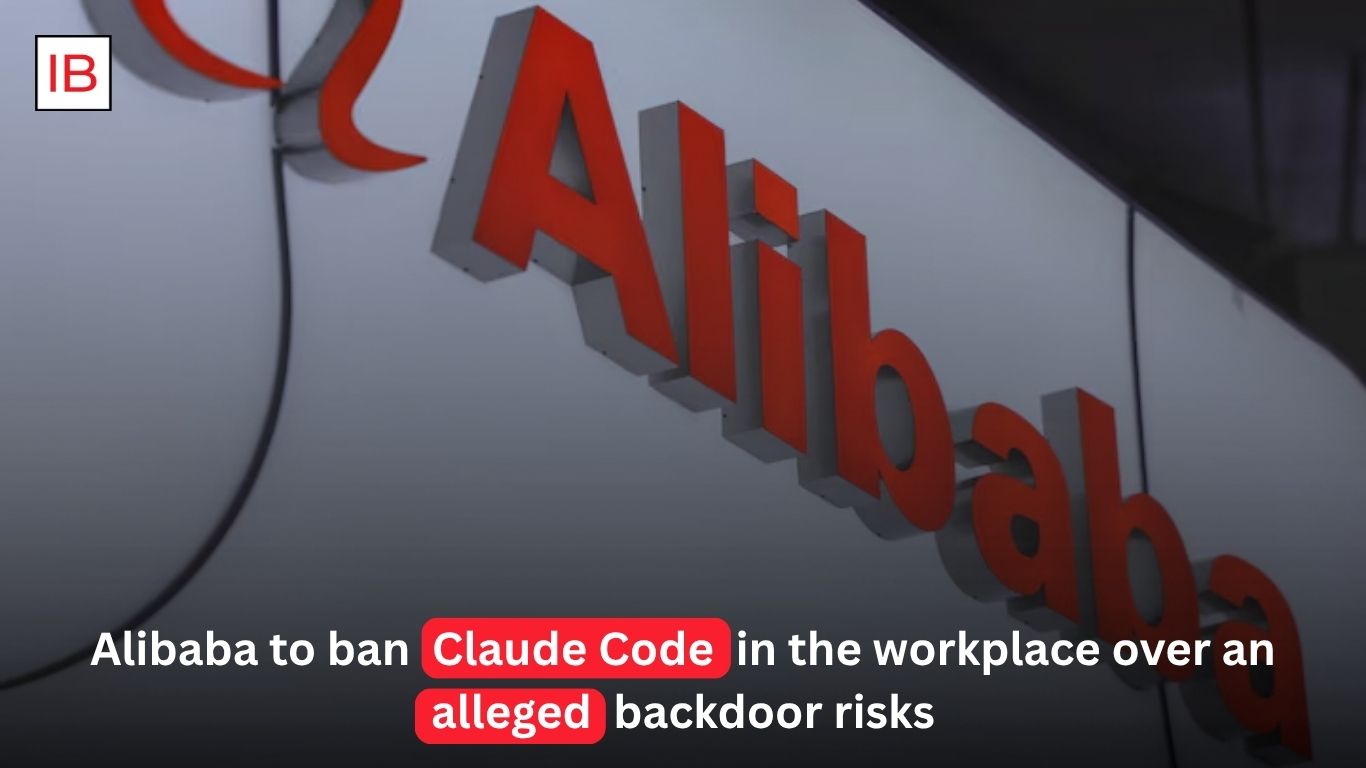
Alibaba will prohibit employees from using Claude Code in workplace environments starting July 10, following concerns over alleged security risks involving potential embedded backdoors, according to a source familiar with the matter.
The move, first reported by Chinese financial news outlet Yicai, comes as companies worldwide increase scrutiny of artificial intelligence tools used in software development and enterprise environments. Alibaba has not publicly commented on the reported decision.
Why Alibaba Is Taking Action
According to the source, Alibaba’s decision is driven by concerns that Claude Code could present security vulnerabilities if deployed within internal corporate systems.
While no public evidence has been released confirming the existence of any backdoor, the reported concerns reflect the growing emphasis large technology companies are placing on cybersecurity as AI-powered coding assistants become more widely adopted.
Enterprise AI tools often gain access to proprietary source code, internal documentation, and sensitive business information, making security a top priority for organizations.
What Is Claude Code?
Claude Code is an AI-powered programming assistant developed by Anthropic to help developers write, review, debug, and explain software code.
Like other AI coding assistants, it can accelerate software development by generating code snippets, identifying bugs, and assisting with technical documentation. Because these tools interact directly with company codebases, businesses often conduct extensive security reviews before approving them for internal use.
AI Security Becomes a Growing Concern
The reported ban highlights a broader trend across the technology industry.
As AI tools become integrated into daily workflows, companies are paying closer attention to risks involving:
- Data privacy
- Intellectual property protection
- Software supply chain security
- Unauthorized data transmission
- Compliance with internal cybersecurity policies
Many organizations now maintain approved lists of AI applications that employees are permitted to use for work-related tasks.
Decision Comes Amid Rising AI Tensions
Alibaba’s reported move follows a period of heightened tension between U.S. and Chinese AI companies.
Last week, Anthropic accused operators affiliated with Alibaba and its Qwen AI lab of using fraudulent accounts to extract capabilities from its Claude models—an allegation Alibaba has not publicly addressed. The latest reported workplace ban adds another dimension to the increasingly competitive AI landscape between leading global technology firms.
Enterprise AI Governance Is Expanding
Large corporations are increasingly introducing formal policies governing the use of generative AI.
Many businesses now require employees to use only approved AI platforms that meet internal security, privacy, and regulatory standards. Financial institutions, government agencies, healthcare providers, and major technology companies have all tightened oversight of AI tools handling sensitive information.
Alibaba’s reported decision reflects this broader industry shift toward stronger AI governance.
Potential Impact on Developers
If implemented, the restriction would require Alibaba employees to rely on alternative coding assistants approved by the company.
As one of China’s largest technology firms with extensive software engineering operations, Alibaba’s internal AI policies could influence how other major corporations evaluate and deploy AI-powered development tools.
The decision also underscores the increasing importance of trust and security as competition intensifies among enterprise AI providers.
Looking Ahead
Alibaba’s reported ban on Claude Code illustrates how cybersecurity concerns are becoming a key factor in enterprise AI adoption.
Although the company has not officially explained the decision, the move highlights the growing scrutiny organizations are applying to AI tools that access sensitive corporate systems and proprietary software.
As generative AI becomes more deeply integrated into business operations, security reviews, regulatory compliance, and enterprise governance are likely to play an increasingly important role in determining which AI platforms gain widespread adoption.