Purchasing power and economic stability have been significantly impacted by inflation, which has become a major problem for countries around the globe. Economist David Altman asserts that cooling the economy might lead to a lower inflation rate.
Knowing About Inflation
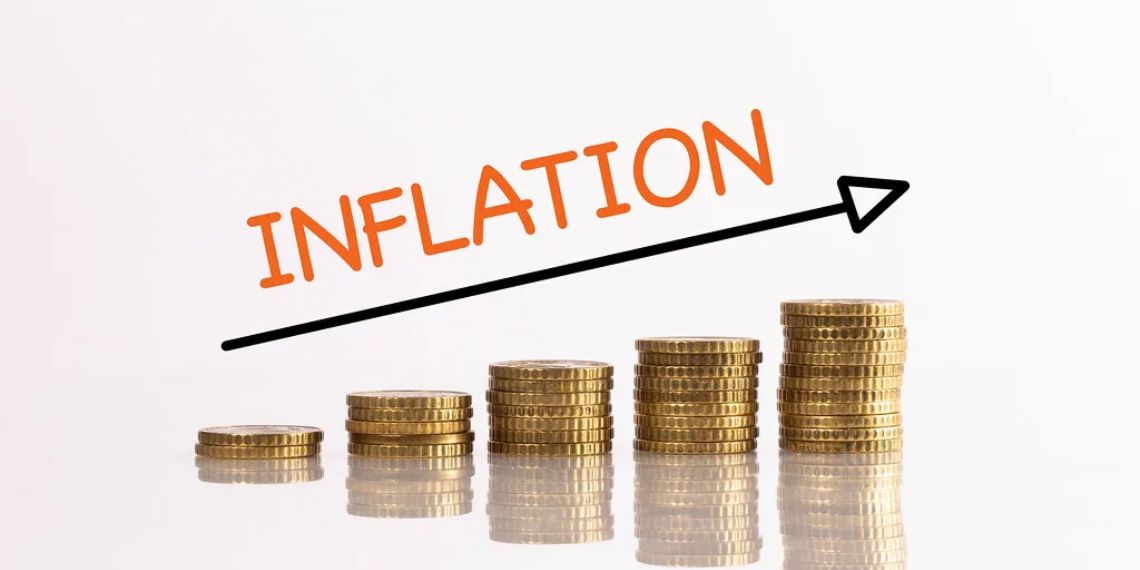
The overall pace of price increases for goods and services that result in a decline in buying power is known as inflation. Inflation may be caused by several things, such as changes in the supply chain, an increase in demand, and monetary policy. Elevated inflation has the potential to diminish customer trust, escalate living expenses, and hinder economic expansion.
An explanation of economic cooling
A purposeful slowdown in economic activity, usually brought about by monetary and fiscal policy, is referred to as economic cooling. The goal of this strategy is to lessen economic overheating, which may cause inflation to spiral out of control. Implementing stricter monetary policies, cutting down on government expenditure, and hiking interest rates are important tactics for cooling the economy.
Altman’s View on Economic Cooling and Inflation
Economic cooling, according to David Altman, is a useful strategy for controlling inflation. The demand for products and services declines as economic activity slows down, which lessens pricing pressure. According to Altman’s view, prices may be stabilized without starting a recession by a carefully managed cooling of the economy.
Interest Rates and Controlling Inflation
The alteration of interest rates is one of the main strategies for economic cooling. Interest rate increases by central banks make borrowing more costly, which discourages investment by businesses and consumers alike. This decline in demand contributes to a reduction in inflationary pressures. Interest rate increases need to be properly regulated, as Altman notes, to prevent strangling economic development.
Fiscal Policy and Government Expenditure
A crucial element of economic cooling is modifying government expenditure. Reducing public spending allows governments to lower the economy’s total demand. According to Altman, prudent reductions in non-essential expenditure may control inflation without hurting welfare and critical services.
monetary regulations and supply chain administration
Economic cooling may also result from tightening monetary policy, such as cutting the money supply. To achieve successful implementation, Altman highlights the need of coordinated efforts between fiscal authorities and central banks. Additionally, by addressing supply-side restrictions, supply-chain management improvements may reduce inflation.
Worldwide Instances of Economic Downturns
Economic cooling techniques have proven effective in controlling inflation in several nations. For example, interest rate modifications have traditionally been employed by the US Federal Reserve to manage inflation. In a similar vein, to stabilize prices, the European Central Bank has instituted monetary policies meant to reduce economic activity.
Possible Dangers and Obstacles
Although economic cooling has the potential to lower inflation, there are drawbacks. Excessively aggressive actions may result in a slowdown in the economy and more unemployment. Altman cautions that to sustain employment and economic development, authorities must strike a balance between cooling initiatives. Furthermore, outside variables like world economic situations and geopolitical developments might affect how effective cooling techniques are.
The Long-Term Effects of Economic Downturn
According to Altman, the long-term advantages of an effective economic cooling plan include stable pricing and continuous economic growth. A more balanced and sustainable economic trajectory may be achieved by countries by limiting runaway inflation. To react to shifting economic circumstances, however, requires constant policy monitoring and modification.
Conclusion
David Altman offers insightful analysis on how price stability is managed via his understanding of the connection between inflation and economic cooling. Economies may attain lower inflation rates while preserving growth by carefully implementing monetary policy, fiscal policies, and interest rate changes. To maintain stability and prosperity over the long run, policymakers must successfully negotiate the difficulties of economic cooling.
FAQs
Economic cooling: what is it?
To control inflation and avoid overheating, economic cooling refers to the purposeful slowing down of economic activity by monetary and fiscal measures.
How does inflation relate to interest rates?
An increase in interest rates drives up the cost of borrowing, which in turn decreases company and consumer investment and demand, therefore assisting in the management of inflation.
What part does government expenditure have in the slowdown of the economy?
Cutting down on government expenditure lowers demand across the board in the economy, which helps control inflation without jeopardizing welfare and other services.
What dangers does the slowing economy pose?
It is important to carefully balance cooling efforts with economic growth to avoid the negative effects of too strong cooling measures, which might result in economic contraction and more unemployment.
Can there be long-term advantages to economic cooling?
Indeed, a good economic slowdown may lead to stable pricing and long-term economic development, but to respond to shifting circumstances, policymakers must constantly evaluate the situation and make appropriate modifications.