Beijing Condemns Shrine-Linked Moves as Tokyo Marks 81st Anniversary of Japan’s World War II Surrender
China has strongly protested actions by senior Japanese officials linked to the controversial Yasukuni Shrine, after Japan’s defense minister visited the site and Prime Minister Sanae Takaichi sent a ritual offering on the 81st anniversary of Japan’s surrender in World War II.
The developments have renewed tensions between Beijing and Tokyo over Japan’s wartime history and come at a sensitive moment for relations between the two Asian powers.
China views Yasukuni Shrine as a symbol of Japan’s wartime militarism because it honors millions of Japanese war dead, including 14 Class-A war criminals convicted after World War II.
Defense Minister Visits Yasukuni
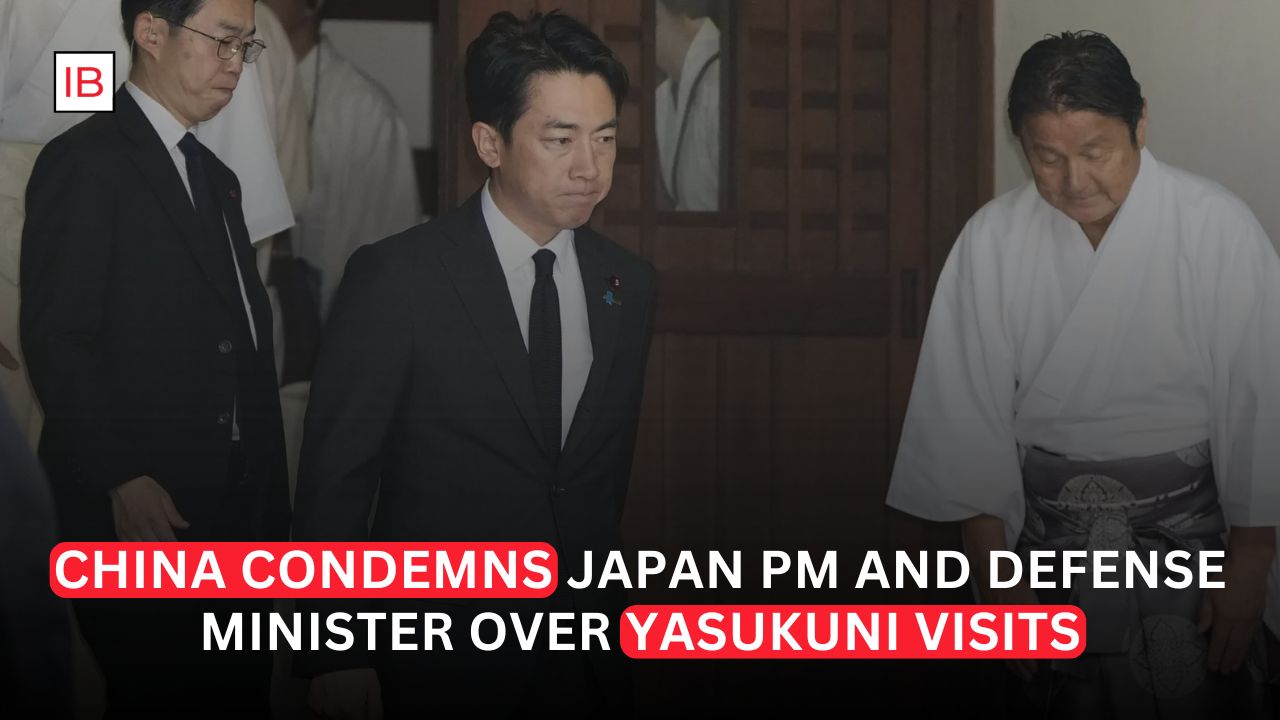
Japanese Defense Minister Shinjiro Koizumi visited Yasukuni Shrine on Saturday, becoming the most senior Japanese official to make the trip as the country marked the anniversary of its 1945 surrender.
Koizumi arrived at the shrine wearing a dark suit and tie and paid his respects at the site, according to Japanese media reports.
The visit is particularly significant because Koizumi holds responsibility for Japan’s defense policy at a time when security tensions across East Asia are increasing.
His visit also comes as Japan continues strengthening its military capabilities and expanding security cooperation with the United States and other regional partners.
Prime Minister Takaichi Stays Away but Sends Offering
Prime Minister Sanae Takaichi did not personally visit the shrine this year.
Instead, she sent a ritual offering through a senior official from the ruling Liberal Democratic Party.
Her decision not to attend in person appears to reflect an attempt to avoid an even sharper diplomatic confrontation with China and South Korea while still acknowledging Japan’s wartime dead and satisfying domestic political constituencies.
Takaichi had previously visited Yasukuni before becoming prime minister, making her decision to stay away from the shrine on this year’s anniversary notable.
However, her decision to send an offering still drew criticism from Beijing.
China Lodges Strong Protest
China’s Foreign Ministry said it had lodged a strong protest with Japan over the actions of Japanese politicians connected to Yasukuni.
Beijing argues that the shrine glorifies Japan’s wartime aggression and distorts the history of the country’s military expansion across Asia.
Chinese officials called on Japan to seriously reflect on its wartime conduct and distance itself from militarism.
The latest dispute demonstrates how historical issues remain deeply connected to present-day relations between China and Japan.
Why Yasukuni Is So Controversial
Yasukuni Shrine commemorates around 2.5 million Japanese people who died in conflicts from the late 19th century through World War II.
The controversy stems from the inclusion of 14 Japanese leaders convicted as Class-A war criminals after the war.
China and South Korea argue that visits by Japanese political leaders can be interpreted as honoring individuals responsible for wartime aggression.
Japanese officials have generally maintained that visiting the shrine is a matter of personal remembrance and honoring Japan’s war dead.
That fundamental difference in interpretation has repeatedly produced diplomatic disputes.
South Korea Also Raises Concerns
China is not the only country to criticize the latest actions.
South Korea expressed deep regret over Japanese leaders visiting or sending offerings to Yasukuni.
Seoul urged Japanese leaders to demonstrate sincere reflection on Japan’s wartime history, arguing that recognition of the past is important for building trust and stronger future-oriented relations.
The issue is particularly sensitive because South Korea was under Japanese colonial rule from 1910 to 1945.
Historical disputes continue to influence relations between Seoul and Tokyo even as both countries cooperate on regional security.
Tensions Go Beyond Historical Disputes
The Yasukuni controversy comes against a much broader backdrop of tensions between China and Japan.
The two countries have disagreements over territorial issues, Taiwan, military activity and regional security.
Japan has been strengthening its defense posture in response to concerns about China’s growing military capabilities and North Korea’s nuclear and missile programs.
China, meanwhile, views Japan’s military expansion and closer security cooperation with the United States with suspicion.
The historical dispute therefore takes place within an increasingly competitive strategic relationship.
Taiwan Adds Another Layer of Tension
Relations between Beijing and Tokyo have also been strained by comments from Takaichi concerning Taiwan.
The Japanese prime minister previously said that a Chinese attack on Taiwan could potentially constitute a situation threatening Japan’s survival and could lead to a Japanese military response.
Those comments angered Beijing and contributed to an already difficult diplomatic relationship.
China considers Taiwan part of its territory and strongly opposes any suggestion that foreign powers could intervene militarily in a conflict involving the island.
Japan, meanwhile, considers stability around Taiwan important to its own national security because of Taiwan’s geographic proximity and the importance of surrounding sea lanes.
Japan Is Strengthening Its Defense Capabilities
Japan has been undergoing a significant transformation of its defense policy.
Tokyo has increased defense spending, expanded its missile capabilities and strengthened cooperation with the United States and other countries.
The changes reflect concerns about China’s military expansion, North Korea’s missile program and growing regional instability.
Koizumi’s position as defense minister places him at the center of this transformation.
His decision to visit Yasukuni therefore carries significance beyond the symbolism of the anniversary.
It comes as Japan debates how far it should go in expanding its military capabilities.
The Visit Could Complicate Regional Cooperation
The dispute creates a difficult diplomatic environment for Japan.
Tokyo wants to strengthen security cooperation with South Korea and the United States, particularly in response to North Korean threats and China’s growing military power.
However, historical disputes can make cooperation with South Korea politically difficult.
South Korean public opinion remains highly sensitive to Japanese actions related to wartime history.
That means visits to Yasukuni can create domestic political problems for Seoul even when the South Korean government wants closer security ties with Tokyo.
Takaichi Faces a Domestic Balancing Act
For Takaichi, the decision not to visit the shrine personally may have been designed to strike a balance between foreign-policy concerns and domestic politics.
A personal visit could have generated a stronger reaction from Beijing and Seoul.
Avoiding the shrine allows her government to reduce some of the diplomatic consequences.
But sending an offering still signals respect for the shrine and its supporters inside Japan.
That balance reflects the political sensitivity surrounding Yasukuni within Japan itself.
Historical Memory Remains a Diplomatic Issue
The latest dispute illustrates how unresolved historical questions continue to affect East Asian diplomacy more than eight decades after World War II.
China and South Korea want Japan to acknowledge the suffering caused by its wartime actions.
Many Japanese conservatives, meanwhile, argue that Japanese leaders should have the freedom to honor those who died in war without accepting foreign political pressure.
Those competing interpretations make the Yasukuni issue extremely difficult to resolve.
Japan’s Relationship With China Is Strategically Important
Despite political disagreements, China remains one of Japan’s most important economic partners.
The two countries have extensive trade and investment relationships.
Any deterioration in political relations can therefore create wider economic consequences.
Businesses in both countries have an interest in maintaining stable relations even when governments disagree over security and historical issues.
That makes diplomatic management increasingly important.
Regional Security Is Becoming More Complicated
The Yasukuni controversy also comes at a time when East Asia is experiencing significant strategic change.
China is expanding its military capabilities.
North Korea continues developing nuclear weapons and ballistic missiles.
Japan is strengthening its defense forces.
South Korea is trying to maintain strong relations with both the United States and Japan while managing its own relationship with China.
These overlapping pressures make historical disputes more consequential because they can complicate cooperation at a time when regional governments increasingly need to coordinate.
Looking Ahead
China’s protest over Japanese officials’ actions at Yasukuni Shrine has reopened a longstanding historical dispute at a particularly sensitive moment for relations between Beijing and Tokyo.
Defense Minister Shinjiro Koizumi’s visit and Prime Minister Sanae Takaichi’s decision to send a ritual offering have both drawn criticism from China, while South Korea has also expressed deep regret.
Takaichi’s decision not to visit the shrine personally appears to have been aimed at limiting diplomatic damage.
But the offering still demonstrates how difficult it is for Japanese leaders to separate domestic political considerations from the country’s relationships with its Asian neighbors.
The controversy is also occurring against a wider backdrop of rising regional tensions.
Japan is expanding its defense capabilities, strengthening its alliance with Washington and increasing security cooperation with South Korea.
China views many of these developments with concern, particularly when they involve Taiwan.
That means the Yasukuni dispute is about more than historical memory. It is also connected to the rapidly changing balance of power in East Asia.
For Japan, the challenge will be maintaining stronger security partnerships without allowing historical disputes to undermine regional cooperation.
For China, the issue remains part of a broader demand that Japan acknowledge its wartime history and avoid actions Beijing believes could normalize or glorify militarism.
The immediate diplomatic fallout from the shrine controversy may remain limited, but repeated disputes over Yasukuni demonstrate how quickly historical issues can become intertwined with today’s strategic tensions.
As China, Japan and South Korea navigate growing security challenges, managing those historical disagreements will remain an important part of maintaining regional stability.
The latest episode is another reminder that the legacy of World War II continues to influence diplomacy in Asia, even 81 years after the conflict ended.