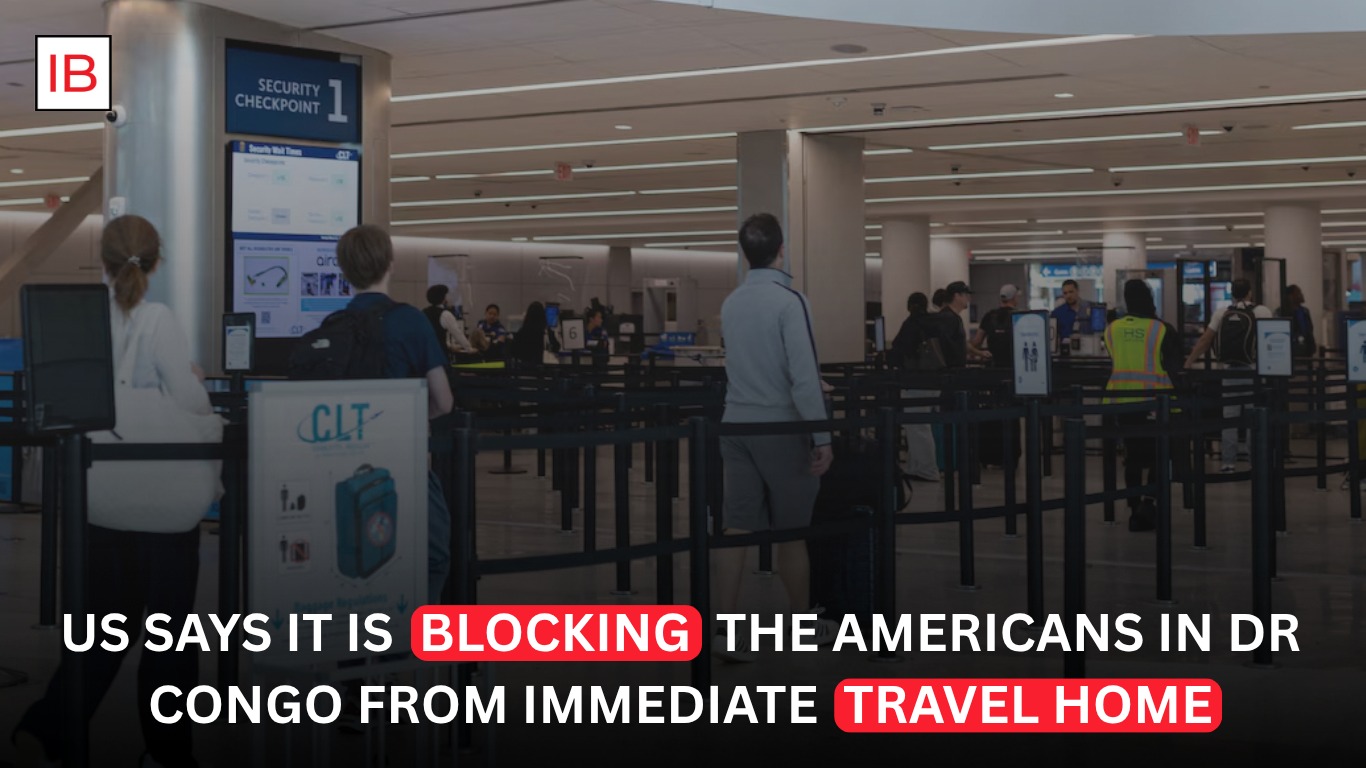
New Travel Restrictions Require US Citizens to Wait 21 Days in a Third Country Before Returning Home
The United States has tightened its response to the worsening Ebola outbreak in the Democratic Republic of Congo (DRC) by temporarily preventing American citizens and nationals who have recently been in the country from returning directly to the United States on commercial flights.
Under the new policy, Americans who have been in the DRC within the previous 21 days must first spend the remainder of that 21-day period in a third country before they can board a commercial flight to the US. The move is intended to reduce the risk of Ebola transmission while public health officials monitor the outbreak.
New Entry Rules Take Effect
The restrictions apply to US citizens, lawful permanent residents, and other eligible travelers who have recently been in the DRC.
Key elements of the policy include:
- No immediate commercial flights from the DRC to the US.
- A mandatory 21-day waiting period in a third country.
- Travelers placed on a “do not board” list until the waiting period ends.
- Continued coordination between the US State Department and the Centers for Disease Control and Prevention (CDC).
US officials said the measures are designed to protect public health while limiting the risk of imported Ebola cases.
Ebola Outbreak Continues to Expand
The latest outbreak in the DRC has become one of the most serious Ebola epidemics in recent years.
Health authorities report:
- More than 1,900 confirmed infections.
- More than 700 deaths.
- Cases reported across multiple provinces.
- The outbreak involves the Bundibugyo strain of the Ebola virus.
According to health officials, the situation remains under close international monitoring because no widely approved vaccine exists for this Ebola strain.
Humanitarian Groups Raise Concerns
Several humanitarian organizations have criticized the travel restrictions, arguing they could discourage medical professionals from volunteering in outbreak zones.
Aid groups say the policy may:
- Make it harder to recruit healthcare workers.
- Delay emergency medical deployments.
- Increase logistical costs for humanitarian missions.
- Complicate international Ebola response efforts.
Some organizations have urged the US government to adopt alternative screening and quarantine arrangements that would allow experienced medical personnel to return more quickly while maintaining public safety.
US Says Public Safety Is the Priority
US officials maintain that the restrictions are a precautionary measure based on Ebola’s incubation period, which can last up to 21 days.
The government emphasized that:
- The risk to the general US public remains low.
- The policy is intended to prevent potential transmission during travel.
- The US continues supporting international efforts to contain the outbreak.
- Health authorities will continue reviewing the measures as conditions evolve.
Global Response Continues
International health agencies and governments are working with Congolese authorities to contain the outbreak through surveillance, treatment, contact tracing, and public health education.
Meanwhile, the US continues coordinating with partners to support outbreak response while balancing domestic health protection measures. Officials say the travel restrictions could be adjusted if the public health situation improves.
Looking Ahead
The new US travel restrictions reflect growing concern over the expanding Ebola outbreak in the Democratic Republic of Congo. While officials say the measures are necessary to protect public health, humanitarian organizations warn they could complicate efforts to fight the virus on the ground.
As the outbreak develops, health authorities will continue monitoring the situation and may revise travel policies based on the latest epidemiological data and international public health guidance.