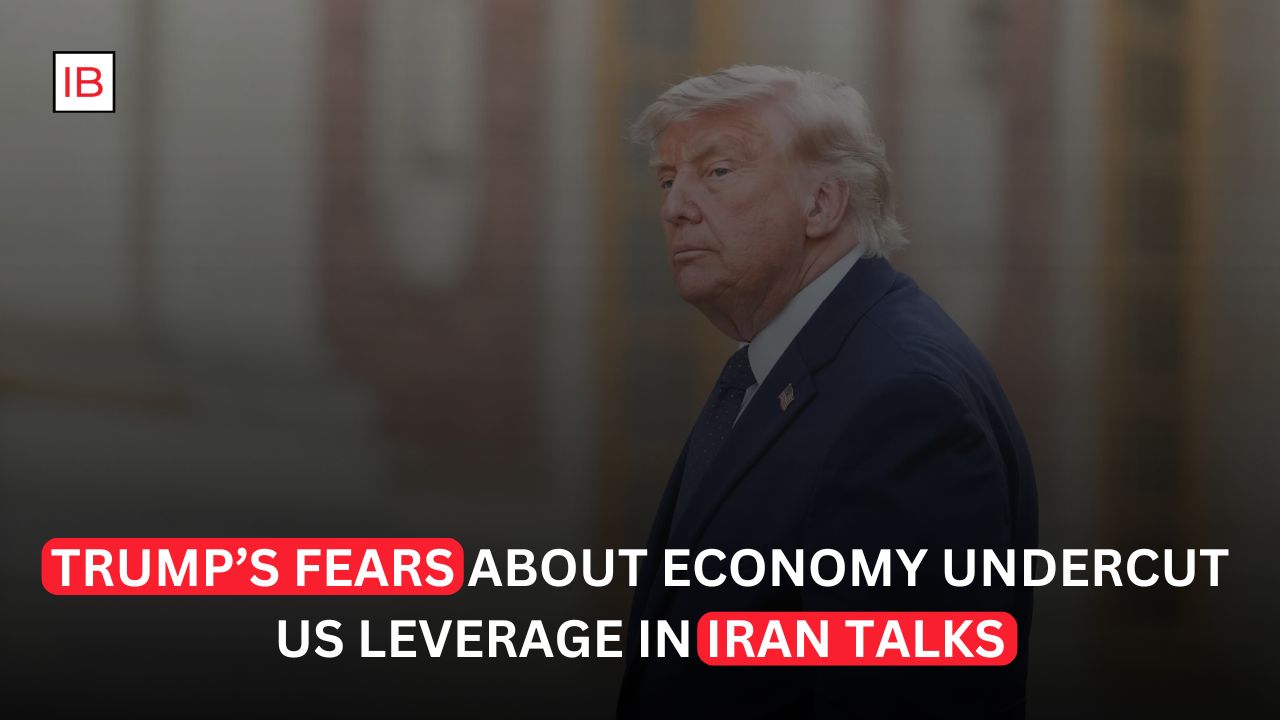
Trump’s Focus on Markets May Give Tehran Greater Leverage. President Donald Trump’s decision to pursue a peace agreement with Iran has helped calm financial markets, but analysts say his concerns about the US economy may have weakened Washington’s negotiating position ahead of the next phase of talks.
The interim agreement signed earlier this week reopened the Strait of Hormuz and created a framework for future negotiations on Iran’s nuclear program. The deal also contributed to lower oil prices and a rebound in global stock markets, developments the White House has highlighted as evidence of success.
Economy Became a Key Factor
Trump has acknowledged that fears of economic disruption played a major role in the decision to pursue an agreement with Tehran.
Rising oil prices, concerns over inflation and the risk of damage to global trade created pressure on the administration to stabilize the situation. Analysts argue that by publicly emphasizing those concerns, Washington may have signaled to Iran that the US has strong incentives to avoid renewed conflict.
The reopening of the Strait of Hormuz was particularly important because disruptions to shipping through the waterway had threatened global energy supplies and increased market volatility.
Iran Gains Negotiating Advantage
Some observers believe Tehran could use America’s economic concerns as leverage during future negotiations.
Because the US administration is eager to keep energy prices under control and avoid additional pressure on consumers, Iranian negotiators may feel they have more room to demand concessions on sanctions relief and economic access. Critics argue that the agreement provides immediate benefits to Iran while leaving several difficult issues unresolved.
The next round of negotiations is expected to focus on Iran’s nuclear activities, sanctions policy and long-term regional security arrangements.
Markets React Positively
Financial markets responded favorably to the agreement.
Oil prices declined after the deal was announced, easing concerns about supply shortages and inflation. Stock markets also gained as investors welcomed signs of reduced geopolitical risk and improved stability in the Middle East.
The administration has pointed to those market moves as evidence that diplomacy is helping protect the US economy and prevent further disruption.
Challenges Remain
Despite the positive market reaction, several major obstacles remain before a permanent settlement can be reached.
Negotiators still need to resolve disputes surrounding Iran’s nuclear program, sanctions enforcement and regional security issues. Ongoing tensions involving Lebanon and the Strait of Hormuz continue to create uncertainty about whether the diplomatic process can succeed.
Analysts warn that any renewed military escalation could quickly reverse recent gains in financial markets and place additional pressure on policymakers.
High-Stakes Talks Ahead
The upcoming negotiations are expected to determine whether the interim agreement evolves into a broader peace framework or becomes another temporary pause in a long-running conflict.
For Washington, balancing economic stability with national security objectives will remain a central challenge. For Tehran, the talks present an opportunity to secure additional economic relief while testing the limits of US willingness to make further concessions.
As diplomats prepare for the next phase of discussions, both sides enter the negotiations with significant incentives to avoid renewed conflict—but also with competing priorities that could make a lasting agreement difficult to achieve.