South Korea’s exports climbed to nearly $99 billion in July, marking the second-highest monthly total on record, as an extraordinary boom in semiconductor demand tied to global artificial intelligence spending continued to power one of the strongest export runs in the country’s history.
Near-Record Numbers for a Second Straight Month
South Korea’s Ministry of Trade, Industry and Energy reported Saturday that exports totaled $98.9 billion in July, up 62.8% from a year earlier. That figure trails only June’s all-time record of $102.25 billion, when Korean exports surpassed the $100 billion mark for the first time in a single month, meaning the country has now posted its two strongest export months ever back to back.
Semiconductors remained firmly at the center of that performance, with chip exports reaching $41 billion in July, a 179% jump from a year earlier and the second consecutive month chip shipments alone have topped $40 billion. Samsung Electronics and SK Hynix, the two companies driving the bulk of that growth, have benefited enormously from surging global demand for high-bandwidth memory chips used in AI data centers and accelerators.
A Trade Surplus Reaching Extraordinary Levels
The scale of the export boom has produced an equally striking trade surplus. Cumulative figures through the first 20 days of July alone showed a $12.2 billion surplus, with exports to China jumping 94.1% and shipments to the United States rising nearly 40% over the same period. Earlier in the month, South Korea’s trade surplus for the year had already reached $144 billion, roughly 5.4 times higher than the same period a year earlier, underscoring just how dramatically the semiconductor supercycle has reshaped the country’s trade position.
While the headline growth figures remain extraordinary, economists note that much of the recent gain reflects rising chip prices rather than a proportional increase in shipment volumes, meaning the underlying physical trade activity, while still strong, hasn’t grown quite as dramatically as the dollar figures alone might suggest.
A Central Bank Watching Closely
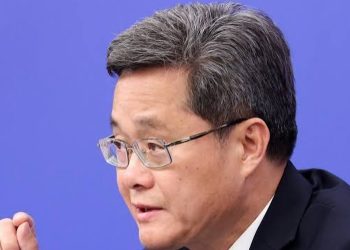
The strength of the export boom has not gone unnoticed by South Korea’s monetary policymakers. Bank of Korea Governor Shin Hyun Song raised the benchmark interest rate to 2.75% and signaled that further hikes remain firmly on the table, telling reporters that upcoming policy meetings would all be “live,” meaning a rate change is possible at each one. Shin explained that South Korea’s export-driven economic strength has begun spilling over into wages, consumer spending, and business investment, raising concerns that inflation could remain stubbornly elevated if that momentum continues unchecked.
In response to the stronger growth outlook, the government upgraded its 2026 economic growth forecast to 3%, a meaningful increase from its previous, more conservative estimate, reflecting growing confidence that the chip-driven export boom will continue supporting broader economic activity through the remainder of the year.
Samsung’s Latest Move to Stay Ahead
Adding to the momentum, Samsung Electronics unveiled its next-generation HBM4 memory chip this week, an effort aimed at tightening the company’s grip on the booming market for AI accelerator components. The launch reflects the intensifying competition between Samsung and SK Hynix to capture the largest possible share of a memory chip market that shows few signs of slowing, even as questions persist elsewhere in global markets about the sustainability of AI-related capital spending.
Some Signs of Moderation Ahead
Despite July’s still-blistering pace, the rate of export growth has begun to ease slightly from June’s near-half-century high, with economists surveyed by Reuters pointing to the second-strongest monthly performance on record rather than an outright new peak. That modest deceleration, combined with looming US tariff considerations that could weigh on shipments to America in the months ahead, suggests the extraordinary pace of growth may gradually moderate even as the underlying chip demand driving it remains fundamentally intact.
What Comes Next
With semiconductor demand showing no clear signs of slowing and South Korea’s central bank now actively weighing further rate hikes to manage the economic effects of this export boom, the coming months will test whether the country can sustain near-record trade performance while avoiding the inflationary pressures that typically accompany such rapid, concentrated growth. For now, the numbers confirm that South Korea’s chip industry remains firmly at the center of the global AI infrastructure buildout, even as questions about the durability of that boom continue to circulate across broader financial markets.