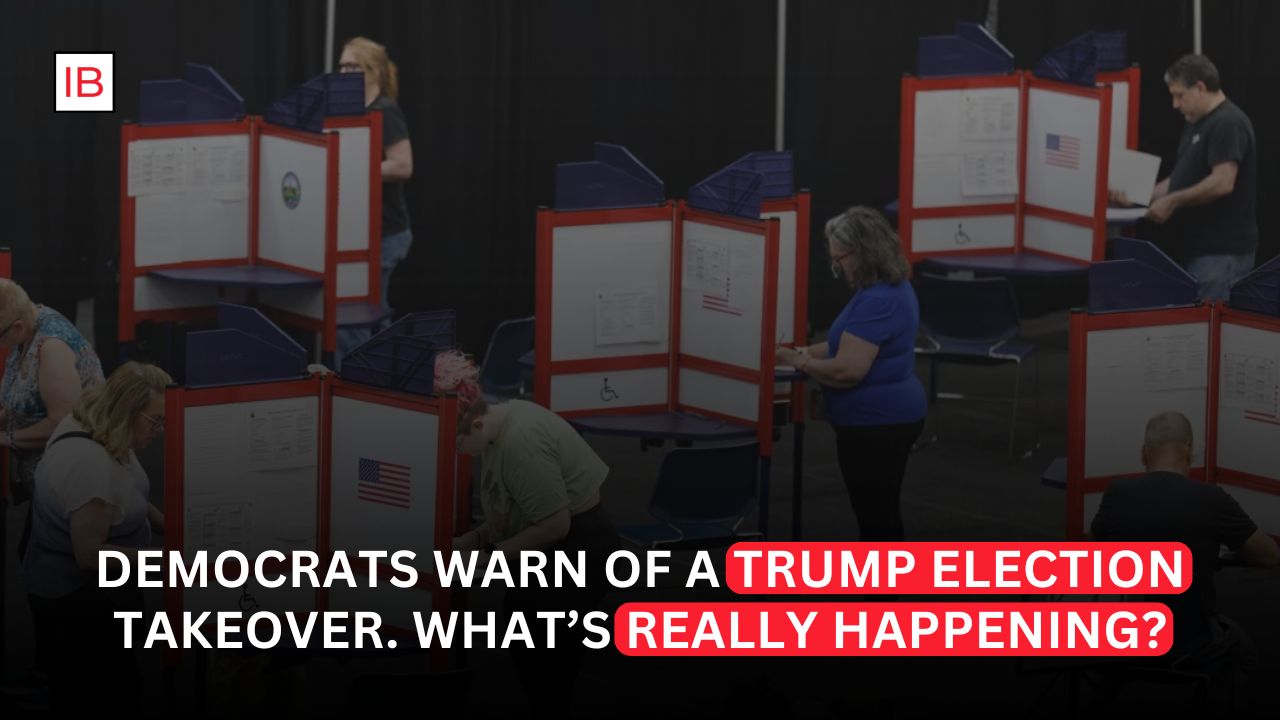
Party Leaders Warn Firings Could Undermine Confidence in Election Administration Ahead of Midterm Vote
Democratic lawmakers and voting rights advocates are voicing growing concern after President Donald Trump removed several federal election officials, arguing that the dismissals could weaken public confidence in the administration of U.S. elections ahead of the 2026 midterm contests. The controversy has intensified an already heated debate over federal involvement in election oversight and the independence of institutions responsible for protecting the electoral process.
According to Democratic officials, the firings represent part of a broader effort by the administration to reshape federal election oversight. They argue that replacing experienced officials with political appointees risks creating uncertainty at a time when election agencies are preparing for nationwide midterm elections. Republicans and administration officials, however, maintain that the president has the authority to appoint leaders who support his election policy priorities.
Election Oversight Becomes Political Flashpoint
The controversy centers on changes involving federal agencies responsible for supporting election administration, certifying voting systems, and coordinating election security with state governments.
Democrats argue the dismissals could affect:
- Election administration.
- Voting system oversight.
- Election security coordination.
- Public trust in federal institutions.
- Cooperation with state election officials.
They say maintaining independent election agencies is essential to ensuring that voters across the country have confidence in election outcomes regardless of political affiliation.
Democrats Voice Strong Opposition
Several Democratic lawmakers have accused the administration of attempting to increase political influence over agencies traditionally expected to operate independently.
Party leaders argue that:
- Election officials should remain nonpartisan.
- Federal agencies must operate independently.
- Election administration should not become politically influenced.
- Public confidence depends on transparent oversight.
Some Democrats have also announced plans to increase congressional oversight of election-related actions while supporting legal challenges against policies they believe exceed federal authority.
Trump Administration Defends the Changes
The Trump administration has defended its actions, arguing that the president has broad authority to appoint officials who will implement his administration’s priorities. Officials say the changes are intended to strengthen election integrity and improve oversight of federal election programs.
The administration has continued advocating measures such as:
- Stronger voter verification.
- Expanded election audits.
- Increased federal involvement in election security.
- Updated voting system standards.
Supporters argue these initiatives are designed to improve confidence in future elections, while critics contend they could increase federal influence over processes traditionally managed by the states.
States Push Back
Several Democratic-led states have challenged recent federal election policies, arguing that the U.S. Constitution gives primary responsibility for administering elections to state governments.
Recent legal disputes have focused on:
- Federal election requirements.
- Conditions tied to federal funding.
- State authority over elections.
- Election security policies.
State officials argue that while cooperation with federal agencies remains important, election administration should continue to be directed by state and local authorities.
Midterm Elections Draw Closer
With the 2026 midterm elections approaching, both political parties are placing increased emphasis on election administration and voter confidence.
Election experts say agencies responsible for voting system certification, cybersecurity, and coordination with state officials play an important role in supporting secure and reliable elections. Any leadership changes within those organizations naturally attract close political and public attention.
Analysts expect election policy to remain one of the central political issues throughout the midterm campaign, alongside the economy, immigration, and foreign policy.
Looking Ahead
The dispute over the removal of federal election officials highlights the increasingly partisan debate surrounding election administration in the United States. Democrats argue that independent oversight is essential for maintaining public trust, while the Trump administration says leadership changes are part of broader efforts to strengthen election integrity.
As legal challenges and political debate continue, attention is expected to remain focused on how federal and state authorities work together to prepare for the 2026 elections. The outcome of these disputes could influence future election policy and shape broader discussions about the balance between federal authority and state control over the American electoral system.