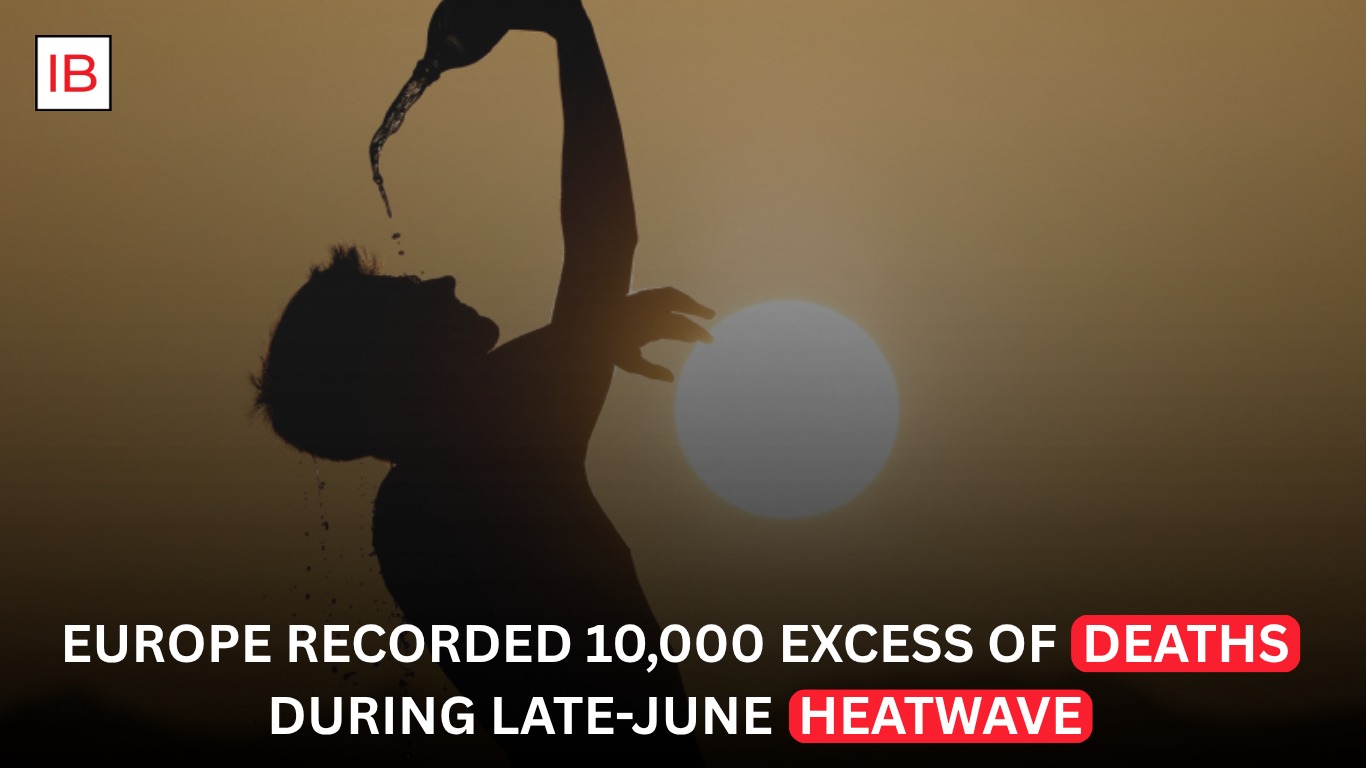
Record Heatwave Leads to Thousands of Deaths
More than 10,000 excess deaths were recorded across Europe during the record-breaking heatwave that struck the continent in late June, according to data from EuroMOMO, a mortality monitoring network supported by European health agencies. Scientists said the extreme temperatures created one of the deadliest heat events Europe has experienced in recent years.
Elderly Population Most Affected
The majority of the deaths occurred among older adults, with more than 9,000 fatalities involving people aged 65 and above. Health experts explained that prolonged exposure to extreme heat significantly increases the risk of heatstroke, dehydration, and complications from cardiovascular and respiratory diseases, making elderly individuals particularly vulnerable.
France and Belgium Hit Hardest
France and Belgium recorded some of the highest excess mortality during the heatwave. Belgium experienced its deadliest heatwave since official records began in 2000, while several other Western European countries also reported unusually high death rates as temperatures repeatedly exceeded seasonal averages.
Scientists Link Heatwave to Climate Change
Climate researchers said the intensity of the heatwave would have been virtually impossible without human-induced climate change. Rising global temperatures have increased both the frequency and severity of extreme heat events, making prolonged periods of dangerous temperatures more common across Europe.
Heatwave Disrupts Daily Life
Beyond its impact on public health, the heatwave disrupted transportation, strained electricity supplies, damaged infrastructure, and forced authorities to issue health warnings across multiple countries. Hospitals also experienced increased admissions as emergency services responded to heat-related illnesses.
Experts Call for Better Preparedness
Public health officials stressed that Europe must improve its preparedness for future extreme weather events through stronger heat action plans, better protection for vulnerable populations, and climate adaptation measures. As global temperatures continue to rise, experts warn that heatwaves are likely to become even more frequent unless greenhouse gas emissions are significantly reduced.