Europe Doubles Down on Aerospace Innovation
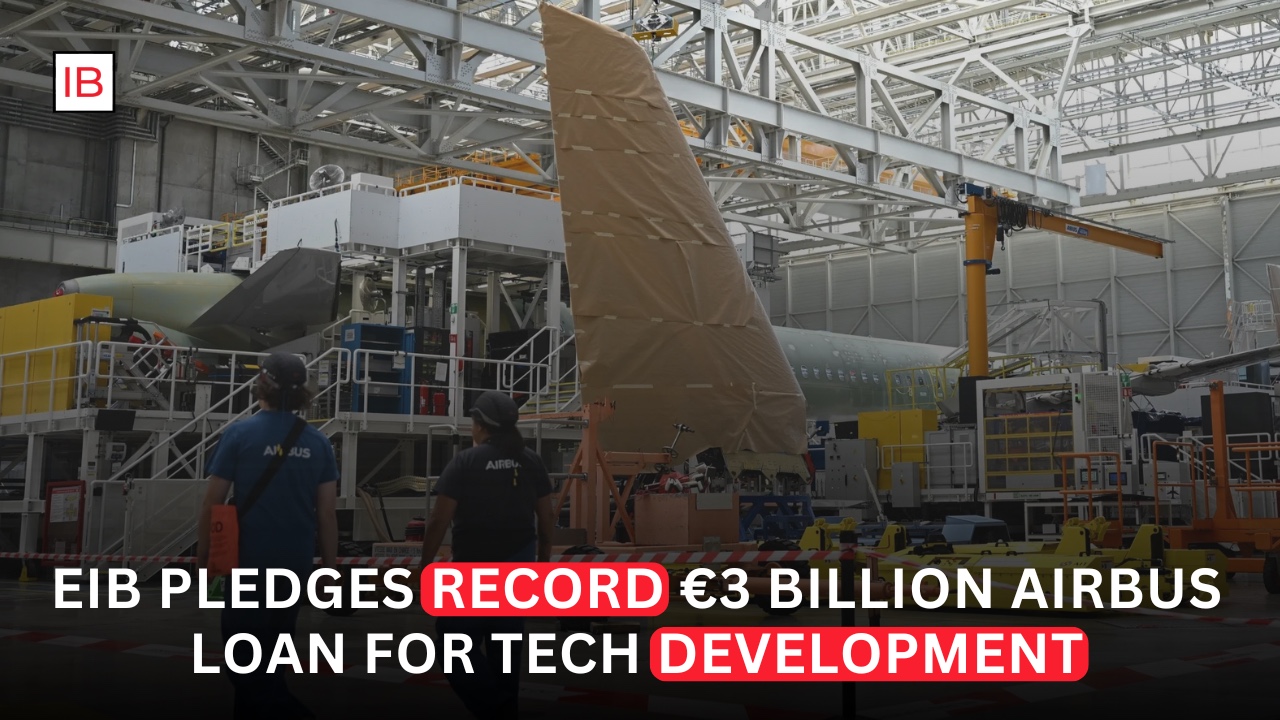
The European Investment Bank (EIB) has pledged a record €3 billion loan to Airbus, marking one of the largest financing agreements ever provided by the EU’s lending arm to support technological development in the aerospace sector.
The funding underscores Europe’s growing commitment to strengthening its industrial competitiveness at a time when global competition in aviation, artificial intelligence, advanced manufacturing, and defense-related technologies is intensifying. The loan is expected to support Airbus’s long-term research and development efforts across several strategic areas, including next-generation aircraft technologies, sustainable aviation, digital systems, and advanced engineering.
The agreement also reflects a broader European strategy aimed at reducing dependence on foreign technologies while accelerating innovation within key industries.
Why Airbus Is Receiving Such Significant Support
Airbus is one of Europe’s most important industrial companies, playing a critical role in commercial aviation, defense, space technology, and advanced manufacturing.
As the aerospace industry undergoes rapid transformation, manufacturers are facing increasing pressure to invest heavily in cleaner aircraft, digital technologies, automation, and emerging mobility solutions. These investments often require billions of euros and years of research before generating commercial returns.
The EIB’s financing is designed to help Airbus maintain its position as a global technology leader while supporting innovation projects that may otherwise face funding challenges due to their scale and complexity.
Supporting the Next Generation of Aviation
One of the primary objectives of the financing is expected to be the development of future aviation technologies.
Airbus has been investing heavily in projects aimed at reducing aviation emissions, improving fuel efficiency, and exploring alternative propulsion systems. The company has repeatedly emphasized the importance of innovation in achieving long-term sustainability goals for the aviation sector.
With governments and regulators placing greater emphasis on environmental performance, aerospace manufacturers are racing to develop technologies that can make air travel cleaner and more efficient over the coming decades.
The EIB has made climate-focused innovation a central part of its investment strategy, making aerospace sustainability projects a natural fit for its financing priorities.
Part of Europe’s Broader Technology Strategy
The Airbus loan comes as the European Union increases investment in strategic technologies and industrial capabilities.
Recent initiatives by the EIB have focused on areas such as artificial intelligence, semiconductors, digital infrastructure, advanced manufacturing, robotics, and defense technologies. European policymakers increasingly view technological leadership as essential to economic growth, security, and long-term competitiveness.
The EIB has committed tens of billions of euros toward technology-related investments in recent years, aiming to help European companies compete more effectively with rivals in the United States and China.
What the Loan Means for Airbus
For Airbus, the financing provides additional resources to pursue ambitious research and development programs without placing excessive pressure on its balance sheet.
Large-scale aerospace innovation often requires substantial upfront spending, with returns materializing many years later. Access to long-term financing from institutions such as the EIB allows companies to undertake projects that might otherwise be considered too risky by traditional lenders.
The investment could also accelerate Airbus’s efforts in digital engineering, autonomous systems, advanced materials, and next-generation aircraft design, areas that are expected to shape the future of aviation.
Strengthening Europe’s Industrial Competitiveness
The financing agreement highlights a growing trend across Europe: the use of public-sector financial institutions to support strategic industries.
European leaders have increasingly expressed concerns about maintaining competitiveness in high-tech sectors as global rivals boost spending on innovation and industrial development. By providing large-scale financing to companies like Airbus, the EIB hopes to encourage technological breakthroughs, create high-value jobs, and strengthen Europe’s industrial base.
Supporters argue that investments in research and innovation are essential if Europe is to remain competitive in industries that will define future economic growth.
Looking Ahead
The record €3 billion loan represents more than just financial support for Airbus—it reflects Europe’s broader ambition to lead in advanced technologies and aerospace innovation.
As competition in aviation and emerging technologies accelerates, investments in research, sustainability, and next-generation engineering will become increasingly important. For Airbus, the financing provides an opportunity to expand its innovation efforts and prepare for the future of flight.
For Europe, the agreement serves as a reminder that technological leadership requires long-term investment, strategic planning, and a willingness to support industries that drive economic growth and global competitiveness.