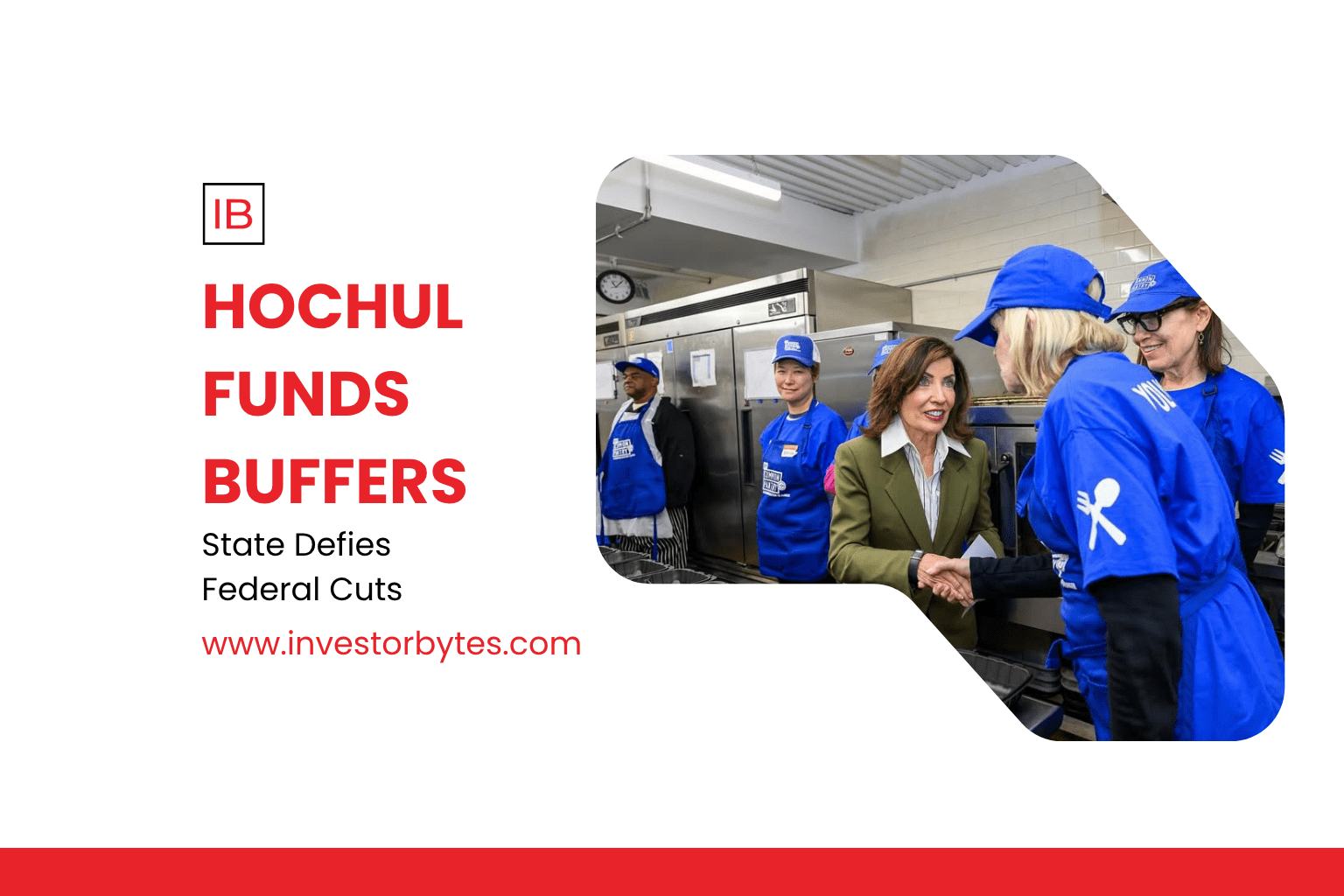
Governor Kathy Hochul unleashes $112 million in emergency buffers on November 7, directing full SNAP issuance for New York’s 2.9 million recipients—tapping $650 million state surplus to backfill federal shortfalls—while infusing $35 million into Planned Parenthood and $17 million for opioid settlement transparency amid overdose peaks. The SNAP directive, post-McConnell’s ruling, preloads EBTs by November 9, covering 100% of $720 million monthly tab and averting 18% hunger spike in urban food deserts, per OTDA’s rapid audit.
Broader buffers fortify: Hochul’s November 6 executive order reallocates $28 million from FY2025 reserves—now at 16.2% of budget—for WIC clinics and 2,700 pantries via HPNAP, boosting Nourish NY farm-to-table by 22% to 1.1 million meals. Opioid advisory board’s November 1 report slams OASAS delays, prompting $12 million audit mandate and 15% hike in equity grants for Black and Latino communities, where deaths surged 14% YTD. Planned Parenthood’s windfall offsets $42 million Title X cuts, sustaining 180,000 visits quarterly without service dips.
Fiscal footing holds: All-funds FY2025 at $233 billion—up 4.5%—bolsters reserves to $38.2 billion, cushioning shutdown shocks like 11% MTA aid lag via $7.9 billion infusion. Lawmakers applaud: Assemblywoman Gonzalez-Rojas’s coalition letter, with 250 signers, credits the move for “fiscal federalism,” while critics like Citizen Action note $32 million “untrackable” opioid funds demand tighter tracking. Impacts cascade: 92% of SNAP households report stable intake, per November 8 surveys; overdose hotlines field 23% fewer calls post-grants.
This funding’s fortification unveils not dollar’s direct deposit, but resilience’s durable dance—veiled veils of $112M from surplus’s store, where leadership’s artistry yields reinvention’s radius in buffer’s majestic march.