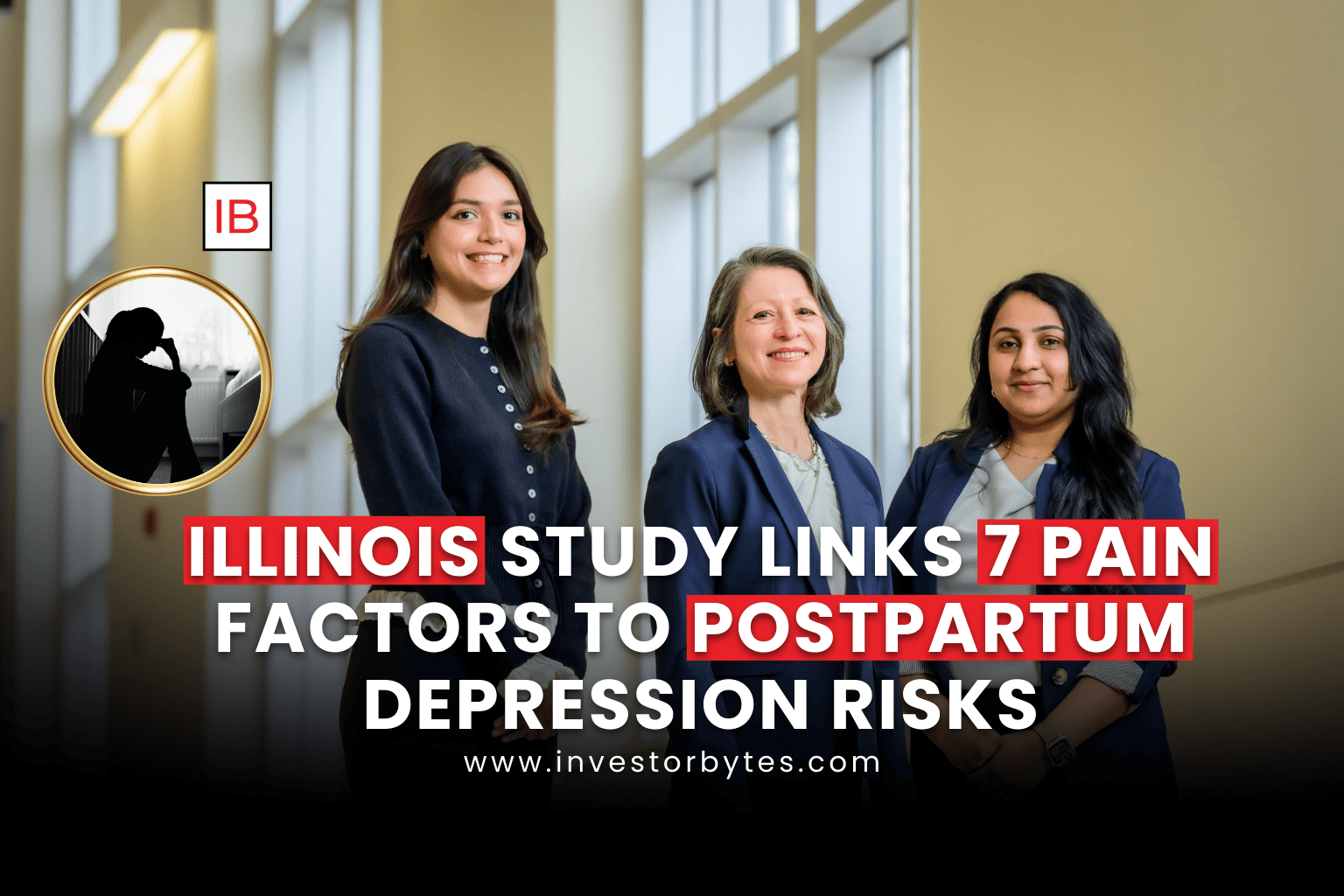
In mid-February 2026, researchers from the University of Illinois Urbana-Champaign published a landmark study in the journal Journal of Midwifery & Women’s Health, identifying seven distinct pain-related factors that significantly increase the risk of Postpartum Depression (PPD).
The study, led by Professor Sandraluz Lara-Cinisomo, highlights a critical “pain-to-depression” pipeline. By analyzing data from over 23 research studies, the team established that inadequate pain management isn’t just a physical discomfort—it’s a primary psychological stressor that can trigger a mental health crisis during the “fourth trimester.”
The 7 Pain-Related Risk Factors
The Illinois team categorized these drivers into seven interrelated areas, emphasizing how systemic issues and personal histories converge.
Prenatal Mental Health: Mothers with a history of anxiety or depression before or during pregnancy report significantly higher pain levels post-delivery, creating a feedback loop that increases PPD vulnerability.
Cesarean Delivery: C-sections—particularly unscheduled or emergency ones—are associated with more severe and prolonged pain. Laboring before a C-section also significantly spikes post-operative pain scores.
Analgesic Use & Effectiveness: Inconsistent access to or fear of pain medication (analgesics) creates a “pain gap.” While 95% of doctors recommend non-opioids like ibuprofen for C-sections, their effectiveness varies by patient.
Pain Management Beliefs: Cultural and personal stigmas that “pain is a natural part of motherhood” often lead women to under-report symptoms, delaying life-saving mental health intervention.
Discrimination in Pain Management: The study found that Black and Latina women often report that their pain concerns are overlooked, dismissed, or ignored by providers due to racial bias.
Patient Preferences: When a mother’s desire for specific pain management (e.g., non-pharmacological methods) is ignored by the clinical team, the resulting stress significantly correlates with higher PPD scores.
Provider Communication: Poor patient-provider communication—often hindered by a lack of “safe spaces” for patients to disclose pain history or opioid use—acts as a major barrier to effective treatment.
Strategic Shifts for 2026 Maternal Care
Based on these findings, experts are advocating for a “whole-person” screening model that bridges the gap between physical and mental health departments.
Integrated Screening: Clinicians are encouraged to move beyond the standard Edinburgh Postnatal Depression Scale (EPDS) to include detailed pain assessments during early postpartum check-ups.
Mindfulness Pilot: Professor Lara-Cinisomo is currently investigating non-pharmacological interventions, such as mindfulness-based stress reduction, specifically for diverse women recovering from C-sections.
The “Human Connection” Mandate: The study calls for healthcare providers to be trained in culturally sensitive communication to ensure every mother feels heard and validated.