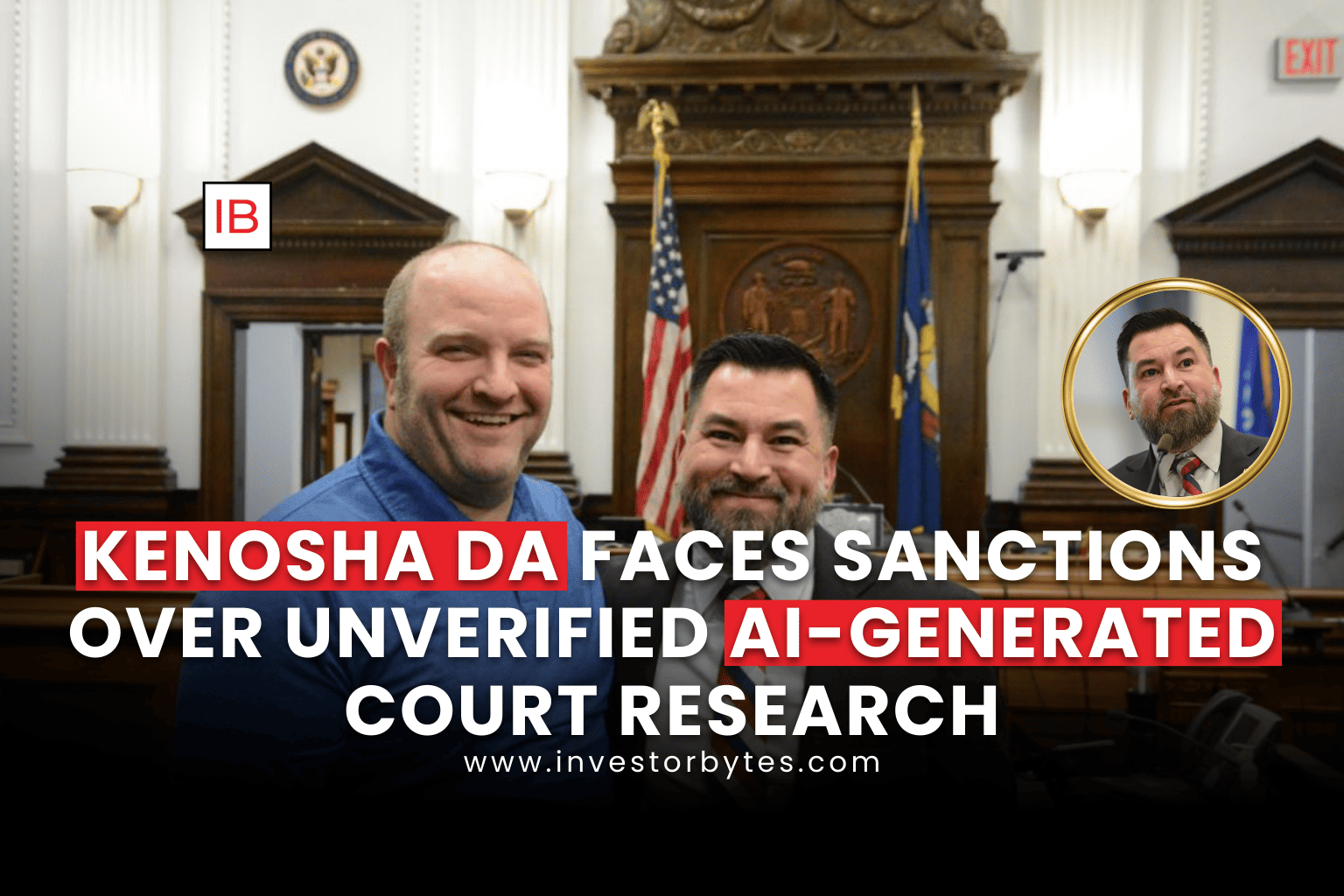
In mid-February 2026, the Wisconsin legal system reached a significant turning point regarding the use of technology in the courtroom. Kenosha County Circuit Court Judge David Hughes issued formal sanctions against District Attorney Xavier Solis for failing to disclose the use of generative AI in a criminal case filing that contained “hallucinated” and demonstrably false legal citations.
The incident has triggered a broader discussion among legal experts in the Midwest about the “shadow use” of AI in public offices and the non-delegable duty of human oversight.
The Sanction: Disclosure and Hallucinations
The case involved Christain and Cornelius Garrett, two Illinois men facing over 70 criminal counts related to a 2023 burglary spree. The DA’s office submitted a response to a defense motion that was later found to be heavily generated by an AI tool.
The Error: The filing included citations to cases that either did not exist or stood for legal propositions entirely unrelated to the actual rulings.
The Failure to Disclose: Kenosha County court policy, updated in late 2025, mandates that any attorney using AI-assisted tools must notify the court, identify the system used, and certify the accuracy of all output.
The Judicial Response: Judge Hughes struck the prosecution’s filing from the record and issued a scathing criticism of the lack of professional due diligence. While the burglary charges were ultimately dismissed without prejudice on substantive grounds (lack of probable cause from a 2023 hearing), the “AI debacle” remains the primary focus of the ruling.
Establishing a National Precedent
This ruling reinforces a growing 2026 trend where courts are moving beyond “suggestions” to mandatory verification protocols.
| Jurisdictional Trend | 2026 Status | Requirement |
| Kenosha County (WI) | Active Rule | Mandatory disclosure and human certification of every citation. |
| Waukesha County (WI) | Standing Order | Independent review required for all AI filings in the Family Division. |
| Federal Standards | Emerging | Most federal judges now require an “AI Disclosure Statement” in initial filings. |
Operational Impact on the DA’s Office
In a statement to Wisconsin Public Radio on February 17, 2026, DA Solis acknowledged the issue, noting that his office has “reviewed and reinforced internal practices” to ensure all future citations are manually verified. The case highlights the risks faced by offices dealing with staffing shortages and high case volumes when they turn to unvetted “efficiency” tools.