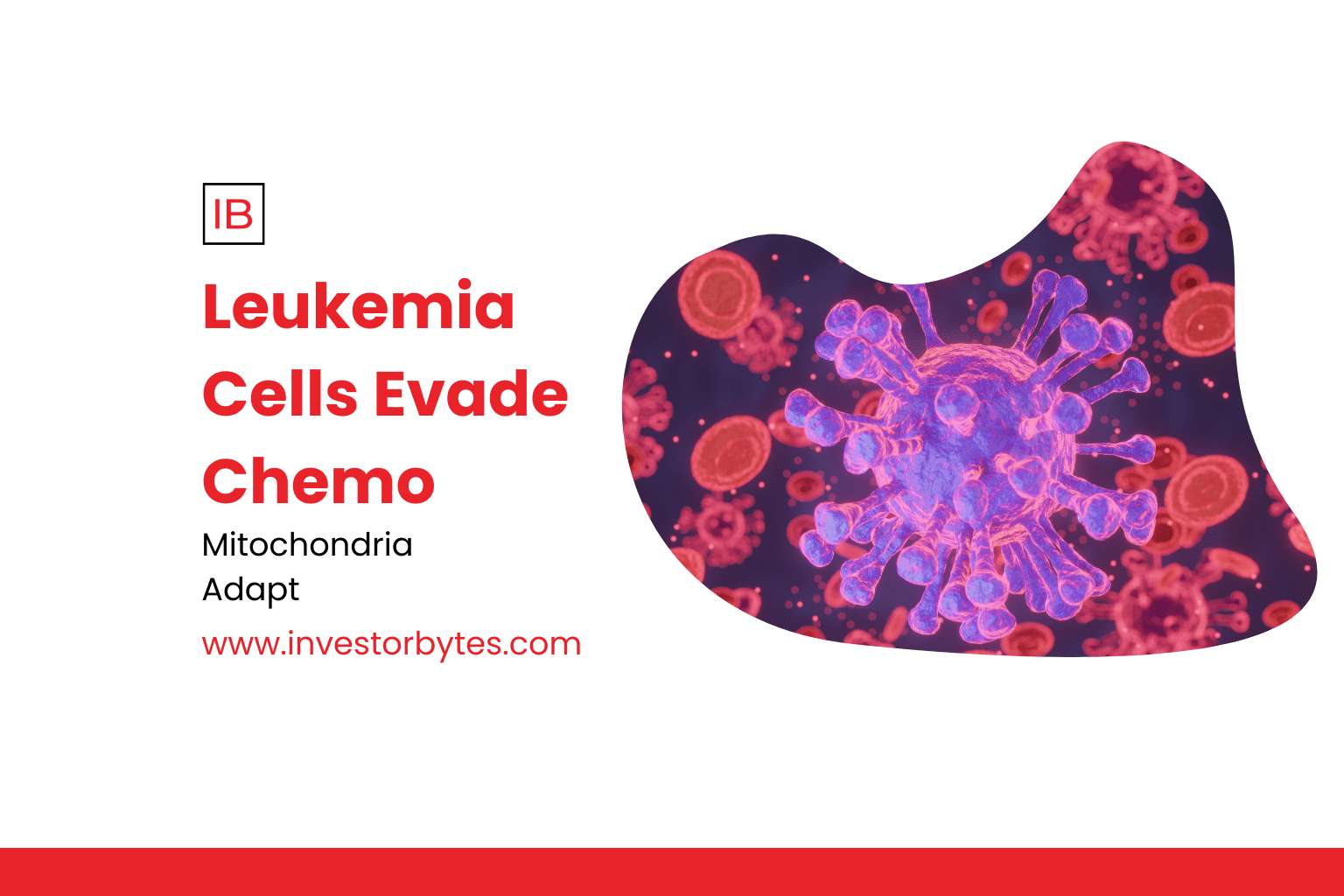
Acute myeloid leukemia (AML) relapse stems from cunning cellular adaptations that shield malignant blasts from chemotherapy’s assault. Recent investigations illuminate how leukemia cells deploy genetic switches and metabolic rewiring to enter dormancy or fortify survival pathways, evading drugs like cytarabine and venetoclax. A pivotal discovery involves the RUNX1C isoform, upregulated via DNA methylation, which triggers BTG2 expression to halt cell division and induce quiescence—rendering cells impervious to cytotoxic agents.
Mitochondrial remodeling emerges as another evasion tactic: leukemia blasts reshape cristae architecture through OPA1 overexpression, disrupting apoptosis and fostering reliance on glutamine-fueled oxidative phosphorylation. Pharmacologic OPA1 inhibition restores drug sensitivity, sensitizing cells to ferroptosis while sparing normal hematopoiesis in murine models. Epigenetic dysregulation amplifies this resilience; SWI/SNF complex losses (e.g., SMARCA4) impair chromatin remodeling, bolstering DNA repair and chemotolerance.
Drug-tolerant persister (DTP) cells transiently rigidify plasma membranes to dodge apoptosis, yet this vulnerability heightens susceptibility to T-cell lysis—paving the way for combo immunotherapies. Signaling loops like IL-33/IL1RL1 sustain leukemia stem cells in immunosuppressive niches, which bispecific antibodies can disrupt to unleash antitumor immunity. These insights fuel next-generation approaches: menin inhibitors like revumenib for NPM1-mutated AML, and nano-immunotherapies merging checkpoint blockade with CAR-T enhancements. By dismantling these adaptive shields, researchers aim to curtail relapse rates, transforming AML from a refractory foe into a manageable malignancy.
In weaving together these threads—from flu’s seasonal fury and PFAS’s stealthy spread to nano-vanguards against glioblastoma and leukemia’s sly escapes—we confront a landscape of peril and promise. Public vigilance, regulatory accountability, and accelerated innovation are imperatives. As 2025 unfolds, these fronts underscore that proactive science, not reactive crisis, will safeguard health horizons.