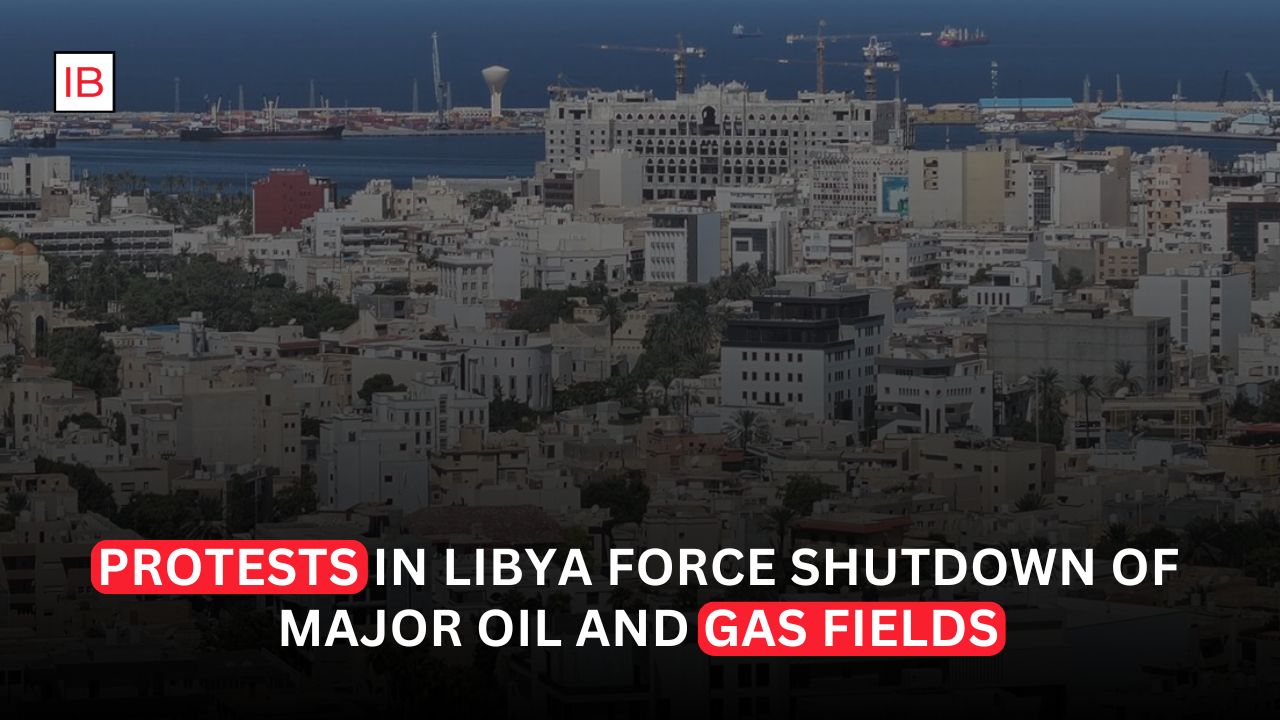
A wave of protests over crippling electricity shortages in western Libya briefly spilled into the country’s energy infrastructure this week, after demonstrators stormed a key gas complex and disrupted supplies feeding domestic power plants, raising fears of a broader blackout across the region.
Protesters Target a Critical Energy Hub
The unrest centered on the Mellitah Oil & Gas complex, roughly 90 kilometers west of Tripoli, which protesters stormed and used to shut off gas lines feeding several power plants. Libya’s General Electricity Company warned the disruption risked triggering a complete blackout across multiple regions and potentially the wider collapse of the national grid, given how directly the plants depend on steady gas supply from the complex. Protest sources indicated demonstrators were also considering disrupting natural gas exports bound for Italy from the same site, in an apparent effort to escalate economic pressure on the government.
A Summer of Blackouts and Rising Anger
The disruption at Mellitah is the latest and most serious escalation in a summer marked by mounting frustration over Libya’s collapsing electricity system. Temperatures in parts of the country have soared to between 45 and 50 degrees Celsius, pushing demand well beyond what an aging, underinvested grid can support. The result has been a punishing stretch of power cuts and organized load shedding since June, including a regional total blackout on July 18 that also forced the shutdown of critical Man-Made River water wells serving large portions of the population.
Frustration boiled over into organized civil disobedience, with groups such as the Souq al-Jumaa Movement and the Sons of Tajoura Movement calling for the closure of state institutions and public companies. Protests have since spread rapidly, with demonstrators blocking roads and shutting down ministries and banks, alongside a heavy military buildup in the coastal city of Misrata as tensions rose further.
A Political Feud Behind the Crisis
At the heart of the electricity crisis lies an internal power struggle between Prime Minister Abdul Hamid Dbeibah, head of the internationally recognized Government of National Unity based in Tripoli, and Mohamed al-Mashey, chairman of the General Electricity Company of Libya. Their ongoing dispute has effectively paralyzed management of the country’s power sector at precisely the moment the grid faces its most intense seasonal strain, leaving basic maintenance and coordination badly hampered.
This is not the first time public anger over the state of Libya’s electricity infrastructure has boiled over. Similar protests erupted in Tripoli’s Martyrs’ Square in May 2025, with crowds demanding Dbeibah’s removal, though that wave of unrest ultimately dispersed without producing any lasting political change.
A Country Long Defined by Fractured Governance
Libya remains split between the Tripoli-based Government of National Unity and a rival administration based in Benghazi and Tobruk, led by Osama Hammad and backed by the House of Representatives. The country has not held a national election since 2014, and repeated UN-led efforts to organize a vote have consistently failed to gain traction. Libya’s vast oil wealth — it holds Africa’s largest proven reserves — has long been a source of leverage between rival factions rather than a resource reliably channeled into rebuilding the country’s crumbling infrastructure.
Limited Relief So Far
In response to the crisis, Libya’s Brega Oil Marketing Company confirmed it was fully prepared to meet the fuel needs of the newly built Tripoli South Power Plant, a development officials hope will help ease some of the pressure on the grid. Still, with protests continuing to spread across western Libya and energy infrastructure now becoming a direct target of public anger, authorities face a narrowing window to restore both electricity supply and public confidence before the crisis deepens further.
What Comes Next
With demonstrators showing no clear signs of standing down and explicitly signaling intent to escalate pressure on energy exports if their demands go unmet, the standoff threatens to disrupt not just domestic power supply but Libya’s broader energy exports to European markets. How quickly Dbeibah’s government can resolve its internal dispute over electricity management — and whether it can do so before another heatwave-driven blackout strikes — will likely determine whether this week’s disruption proves to be an isolated flashpoint or the start of a deeper crisis.