Kingdom Turns to US EXIM Bank and World Bank to Support Landmark Energy Project Across West Africa
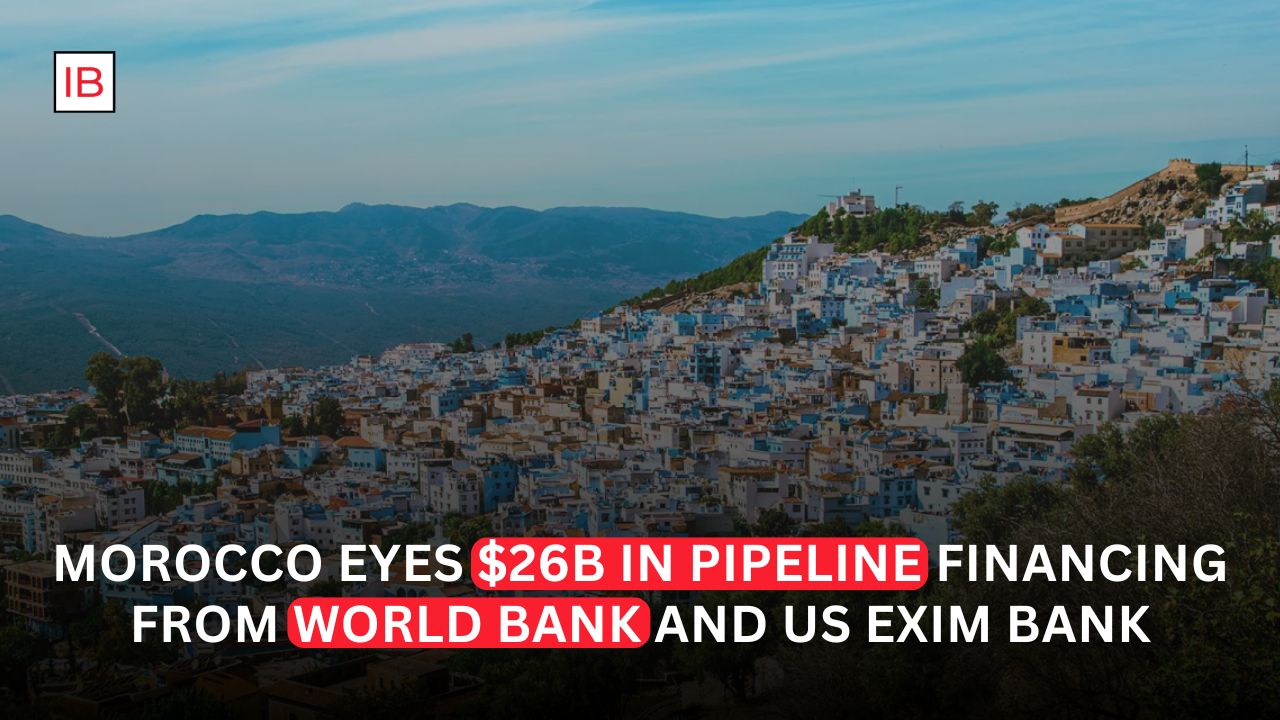
Morocco is intensifying efforts to secure international financing for its ambitious $26 billion Africa-Atlantic Gas Pipeline, seeking support from the US Export-Import Bank (US EXIM Bank) and the World Bank as it advances one of Africa’s largest energy infrastructure projects. The proposed pipeline is expected to transport natural gas from Nigeria along the West African coastline to Morocco, strengthening regional energy security while opening new export routes to Europe. The project has become a cornerstone of Morocco’s long-term strategy to position itself as a regional energy hub linking Africa with European markets.
Stretching more than 5,600 kilometers, the pipeline would pass through multiple West African countries before reaching Morocco, making it one of the longest offshore and onshore gas pipelines ever proposed. Moroccan officials believe the project could transform energy access across the region while stimulating industrial development, electricity generation, and economic integration among participating nations.
International Financing Becomes Key Priority
Given the enormous cost of the project, Morocco is actively engaging international financial institutions and export credit agencies to help fund construction.
Officials are seeking financial backing from:
- US Export-Import Bank (EXIM).
- World Bank.
- International development lenders.
- Multilateral financial institutions.
- Private sector investors.
Securing diversified financing is viewed as essential because the pipeline’s scale exceeds what individual governments can fund independently. International participation would also help attract additional private investment while reducing financing risks.
Strategic Energy Corridor
The Africa-Atlantic Gas Pipeline is designed to transport Nigerian natural gas northward through several West African countries before reaching Morocco.
Participating countries are expected to include:
- Nigeria.
- Benin.
- Togo.
- Ghana.
- Côte d’Ivoire.
- Liberia.
- Sierra Leone.
- Guinea.
- Guinea-Bissau.
- Gambia.
- Senegal.
- Mauritania.
- Morocco.
The pipeline would provide participating nations with improved access to natural gas for electricity generation, industrial production, and domestic energy consumption while also creating opportunities for future exports to European markets.
Strengthening Europe’s Energy Security
The project has gained additional strategic importance as Europe continues seeking to diversify energy supplies following years of geopolitical disruptions affecting global gas markets.
Once completed, the pipeline could:
- Supply natural gas to West African economies.
- Support electricity generation.
- Reduce dependence on imported fuels.
- Strengthen regional energy cooperation.
- Create an alternative supply route for European customers.
Morocco’s existing energy infrastructure, including LNG facilities and connections with Spain, could eventually facilitate gas exports into Europe’s broader energy network.
Economic Benefits Across West Africa
Beyond energy exports, the project is expected to deliver substantial economic benefits throughout the region.
Potential advantages include:
- Job creation during construction.
- Expanded electricity access.
- Industrial development.
- Increased regional trade.
- Infrastructure investment.
- Higher government revenues.
Natural gas availability could also support fertilizer production, manufacturing, mining operations, and other energy-intensive industries across participating countries.
Morocco Expands Regional Influence
The pipeline forms part of Morocco’s broader strategy to deepen economic and political ties across Africa.
In recent years, the kingdom has increased investment throughout the continent in sectors including:
- Renewable energy.
- Banking.
- Telecommunications.
- Infrastructure.
- Agriculture.
- Logistics.
Officials see the gas pipeline as another opportunity to strengthen Morocco’s role as a gateway connecting African economies with international markets.
Challenges Remain
Despite strong political support, the project still faces significant hurdles before construction can be completed.
Major challenges include:
- Securing full financing.
- Coordinating numerous participating governments.
- Managing construction across multiple jurisdictions.
- Environmental assessments.
- Long construction timelines.
- Global energy market uncertainty.
Because of its enormous scale, construction is expected to occur in multiple phases over several years.
Looking Ahead
Morocco’s efforts to secure support from the US EXIM Bank and the World Bank highlight the growing international importance of the Africa-Atlantic Gas Pipeline. If financing is successfully assembled, the $26 billion project could reshape energy infrastructure across West Africa while strengthening Morocco’s ambitions to become a major regional energy hub connecting Africa and Europe.
For participating countries, the pipeline offers the promise of expanded energy access, stronger economic integration, and long-term industrial development. For Europe, it represents another potential source of diversified natural gas supplies during a period of continued energy security concerns.
Although significant financing and construction challenges remain, the project stands as one of Africa’s most ambitious infrastructure initiatives, with the potential to influence regional energy markets and economic development for decades to come.