Historic Drought Forces Additional Nuclear Cuts, Raising Pressure on Hungary’s Electricity Supply
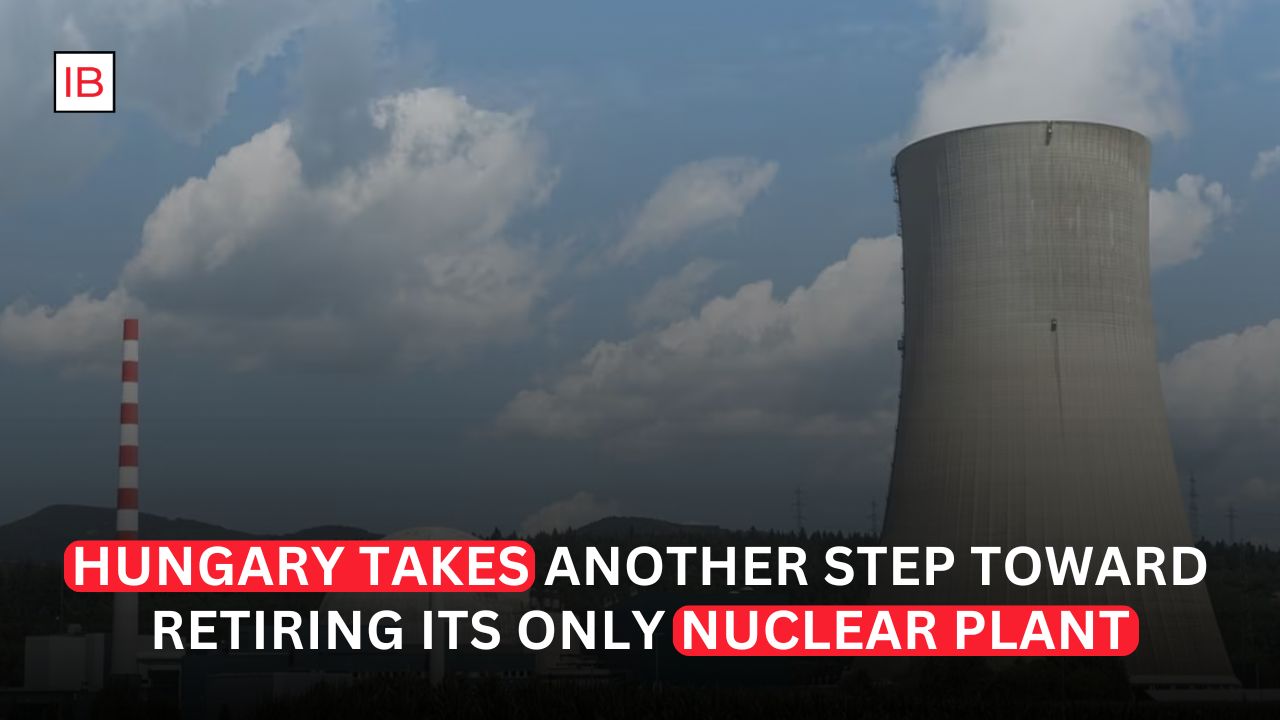
Hungary has been forced to shut down a second reactor at the Paks Nuclear Power Plant after record-low water levels in the Danube River reduced the facility’s ability to cool its reactors safely. The move marks an unprecedented challenge for the country’s largest source of electricity and highlights how extreme weather linked to prolonged drought is increasingly threatening critical energy infrastructure across Europe.
The Paks Nuclear Power Plant, located about 100 kilometers south of Budapest, normally generates nearly half of Hungary’s electricity. As the Danube continued falling to historic lows during an intense heatwave, plant operators gradually reduced reactor output before shutting down additional generating capacity to comply with nuclear safety requirements.
Danube Reaches Critically Low Levels
The Paks reactors rely on water drawn from the Danube to cool their systems.
The prolonged drought has caused:
- Record-low river levels.
- Reduced cooling water availability.
- Lower reactor output.
- Temporary reactor shutdowns.
- Increased pressure on Hungary’s power grid.
Officials warned that unless significant rainfall arrives, water levels may remain too low for normal operations for several weeks.
Hungary Faces Higher Electricity Imports
With nuclear generation sharply reduced, Hungary is preparing to rely more heavily on imported electricity.
The government has urged:
- Large industrial companies to reduce power consumption.
- Businesses to conserve water.
- Consumers to limit electricity use during peak demand periods.
Several major manufacturers have already agreed to cut energy usage to help stabilize the national electricity system.
Climate Conditions Driving Energy Disruptions
The problems at Paks are part of a wider regional energy challenge.
Extreme heat and prolonged drought have affected multiple countries by:
- Reducing river flows.
- Lowering hydropower generation.
- Disrupting river transportation.
- Limiting cooling water for nuclear facilities.
Romania has also reduced nuclear generation because of low Danube water levels, while other European utilities are reporting reduced electricity output and rising operating costs.
Energy Security Becomes a Growing Concern
The shutdown comes as Hungary continues pursuing long-term expansion of nuclear generation through the Paks II project.
However, the current situation demonstrates that even nuclear facilities face increasing climate-related operational risks.
Analysts note that future investment will likely place greater emphasis on:
- Climate resilience.
- Alternative cooling technologies.
- Renewable energy diversification.
- Grid flexibility.
- Cross-border electricity cooperation.
Economic Impact
Lower domestic electricity production is expected to increase:
- Wholesale electricity prices.
- Energy imports.
- Operating costs for businesses.
- Pressure on public finances.
Although authorities say electricity supplies remain secure for now, prolonged reactor shutdowns could place additional strain on the country’s energy system if high temperatures continue.
Looking Ahead
Hungary’s decision to shut down a second reactor at the Paks Nuclear Power Plant underscores how climate-related events are becoming an increasingly important challenge for Europe’s energy infrastructure. The Danube’s historically low water levels have exposed the vulnerability of nuclear facilities that depend on river water for cooling, forcing the country’s largest power producer to scale back operations despite strong electricity demand.
Government officials expect the situation to persist until water levels recover, meaning Hungary will likely rely more heavily on electricity imports and conservation measures in the weeks ahead. The episode also serves as a reminder that long-term energy security will increasingly depend not only on expanding generation capacity but also on ensuring critical infrastructure can withstand more frequent extreme weather events.