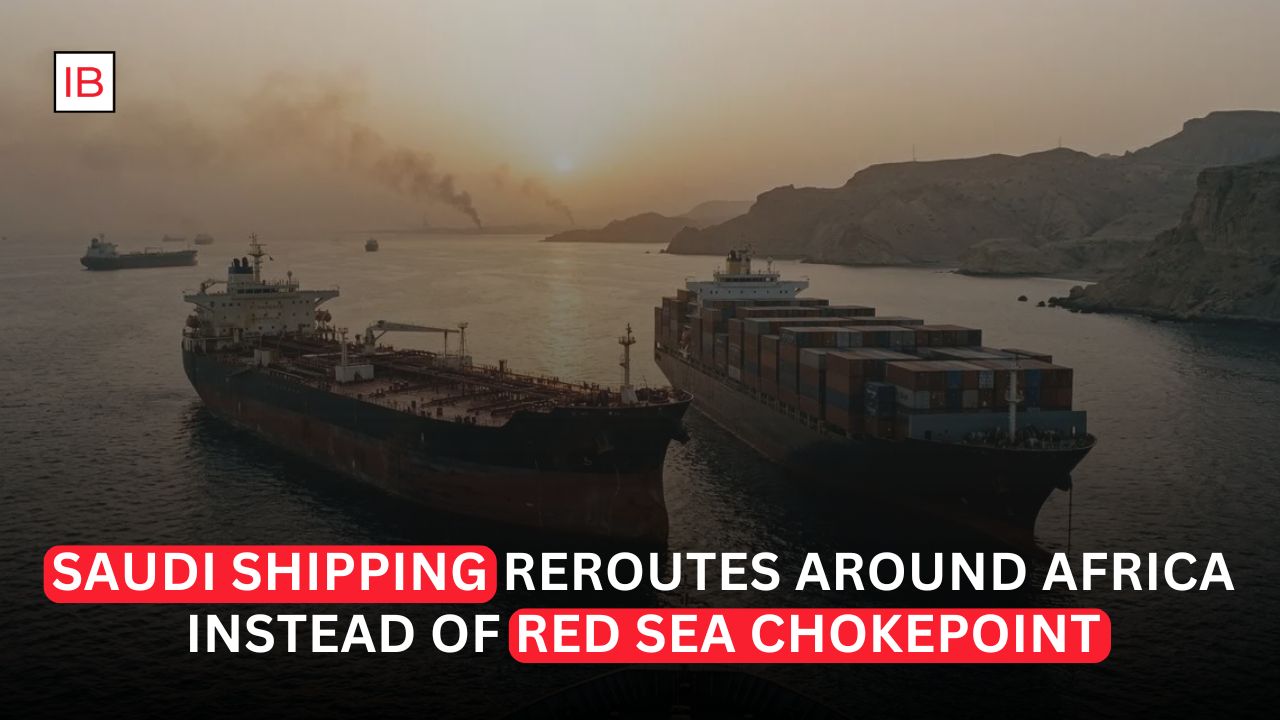
Kingdom Expands Alternative Maritime Routes as Regional Security Risks Reshape Global Energy Logistics
Saudi Arabia is increasingly reshaping its oil export strategy by sending more shipments on longer routes around Africa, reducing dependence on vulnerable Red Sea chokepoints as security risks continue disrupting one of the world’s busiest maritime corridors. The shift reflects how geopolitical tensions and repeated attacks on commercial shipping have forced energy producers to adapt their logistics networks to ensure reliable deliveries to customers in Asia, Europe, and other global markets. While the alternative routes increase transportation costs and delivery times, they also reduce exposure to regions threatened by ongoing conflict.
The adjustment highlights the growing importance of supply chain flexibility in the global energy industry. Saudi Arabia, the world’s largest crude oil exporter, has been relying more heavily on alternative infrastructure, including its East-West crude pipeline to the Red Sea port of Yanbu, while some shipments that would normally transit the Red Sea or Suez Canal are instead taking the much longer voyage around the Cape of Good Hope.
Shipping Routes Continue to Evolve
The latest changes illustrate how oil producers are responding to heightened maritime security concerns.
Export adjustments include:
- Greater use of alternative shipping routes.
- Increased reliance on domestic pipeline infrastructure.
- Longer voyages around southern Africa.
- Flexible scheduling to reduce operational risks.
- Greater emphasis on delivery reliability.
Although these adjustments increase voyage duration, they help ensure that oil continues reaching international buyers despite ongoing regional instability.
Red Sea Security Remains a Key Concern
The Bab el-Mandeb Strait, linking the Red Sea with the Gulf of Aden, remains one of the world’s most strategically important maritime chokepoints.
Recent security threats have included:
- Attacks on commercial vessels.
- Higher insurance premiums.
- Increased naval patrols.
- Greater caution among shipping companies.
These developments have encouraged many operators to reconsider traditional shipping routes through the region.
Longer Routes Increase Costs
Choosing to sail around Africa instead of using the Red Sea and Suez Canal significantly extends voyage times.
The longer route generally results in:
- Higher fuel consumption.
- Increased shipping expenses.
- Longer delivery schedules.
- Greater vessel utilization.
However, many energy companies consider these costs preferable to the operational risks associated with sailing through conflict-affected waters.
Saudi Infrastructure Provides Flexibility
Saudi Arabia has invested heavily in export infrastructure that allows crude oil to bypass certain maritime bottlenecks.
A key asset is the East-West Pipeline, which transports crude from eastern oil fields to the Red Sea port of Yanbu.
This system allows the kingdom to:
- Diversify export routes.
- Maintain export volumes.
- Respond more quickly to geopolitical disruptions.
- Reduce dependence on a single maritime corridor.
Global Oil Markets Monitor Logistics
Although oil prices have recently eased following diplomatic developments involving Iran, shipping markets remain highly sensitive to disruptions affecting major export routes.
Traders continue monitoring:
- Maritime security.
- Shipping insurance costs.
- Tanker availability.
- Freight rates.
- Regional military developments.
Changes in shipping logistics can influence transportation costs even when crude production remains stable.
Maritime Security Efforts Expand
Saudi Arabia has also intensified international cooperation aimed at protecting commercial shipping.
Officials recently proposed a multinational maritime security initiative designed to:
- Protect energy shipments.
- Safeguard commercial vessels.
- Improve intelligence sharing.
- Maintain freedom of navigation.
The initiative reflects growing international concern over maintaining stable global trade routes.
Looking Ahead
Saudi Arabia’s evolving export strategy demonstrates how energy producers are adapting to an increasingly complex geopolitical environment. Rather than relying exclusively on traditional shipping corridors, the kingdom is making greater use of alternative routes and domestic infrastructure to preserve reliable crude exports. While longer voyages increase transportation costs, they also strengthen supply chain resilience during periods of regional instability.
As tensions in the Middle East continue influencing maritime trade, shipping companies, refiners, and energy producers are expected to remain flexible in managing export routes. Investments in pipelines, alternative ports, and international maritime security cooperation are likely to remain central to ensuring uninterrupted global energy supplies even as risks around major chokepoints persist.