Utility Seeks International Funding as Investors Demand Higher Returns for Frontier Market Risk
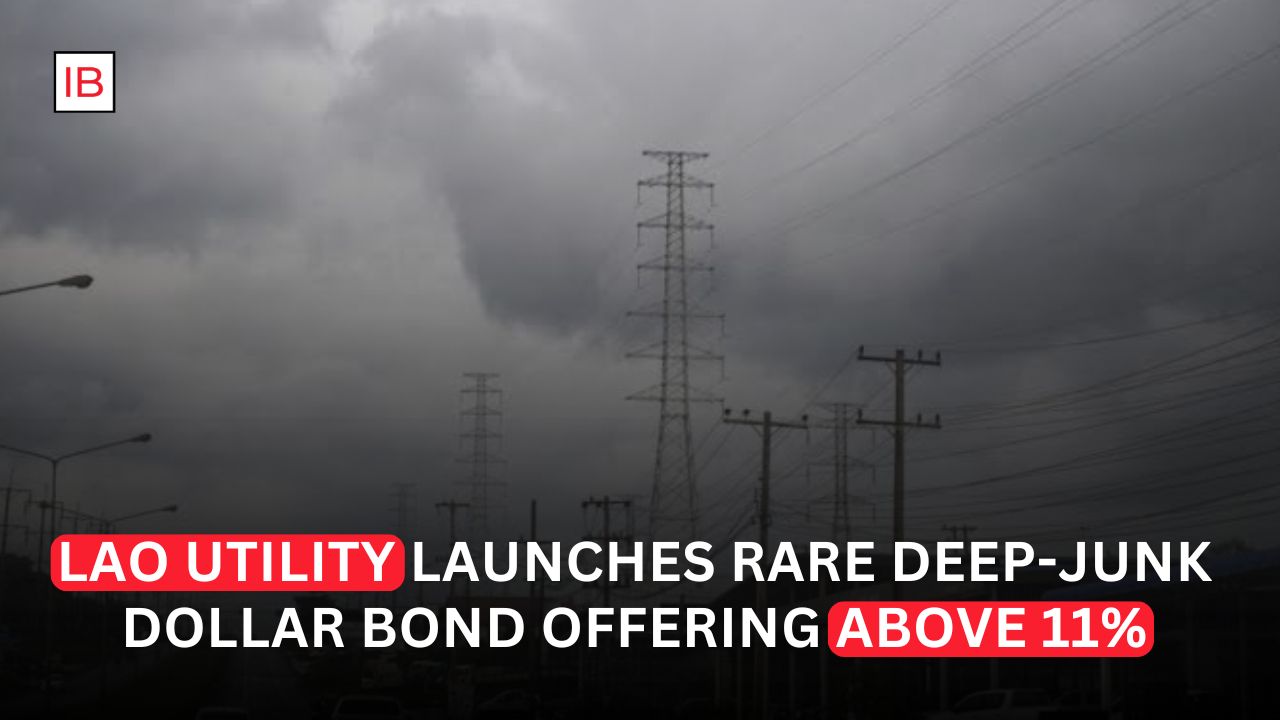
A state-backed power company from Laos has entered international debt markets with a rare U.S. dollar bond offering carrying a yield of more than 11%, highlighting the higher borrowing costs facing frontier-market issuers. The proposed bond ranks among the highest-yielding investment opportunities in Asia’s public debt market, reflecting investor concerns over sovereign risk, credit quality, and broader global financial conditions. Despite the elevated yield, the offering has attracted attention from investors searching for higher returns as demand for income-producing assets remains strong.
The transaction demonstrates how companies in smaller emerging economies continue accessing international capital markets even as global borrowing costs remain relatively high. Investors require significantly higher yields to compensate for the additional political, economic, and liquidity risks associated with frontier-market issuers.
High Yield Reflects Elevated Risk
The proposed bond offers investors a yield exceeding 11%, considerably above investment-grade corporate debt.
The pricing reflects several factors:
- Frontier-market credit risk.
- Sovereign-related concerns.
- Global interest rate environment.
- Limited market liquidity.
- Currency and refinancing risks.
Higher yields compensate investors for assuming greater uncertainty compared with bonds issued by developed-market companies.
Funding Supports Infrastructure Development
The company is seeking international financing to strengthen its capital structure and support long-term investment.
Potential uses of proceeds include:
- Refinancing existing obligations.
- Expanding electricity infrastructure.
- Supporting energy transmission projects.
- Meeting future financing requirements.
Laos has invested heavily in hydroelectric power over the past decade, aiming to position itself as a regional electricity exporter within Southeast Asia.
Investor Demand for Yield Persists
Despite increased caution across global markets, high-yield debt continues to attract investors seeking stronger returns.
Market participants remain interested in:
- Higher coupon income.
- Portfolio diversification.
- Emerging-market opportunities.
- Infrastructure-related investments.
However, investors also continue carefully evaluating issuer fundamentals before participating in riskier offerings.
Emerging Markets Face Higher Borrowing Costs
Many developing economies continue experiencing more expensive financing conditions.
Key drivers include:
- Higher global interest rates.
- Stronger U.S. dollar.
- Tighter financial conditions.
- Greater investor selectivity.
These factors have increased borrowing costs for both governments and corporations across emerging markets.
Energy Sector Remains Attractive
Electricity infrastructure continues to receive investor attention because of growing regional energy demand.
Long-term growth drivers include:
- Expanding electricity consumption.
- Industrial development.
- Regional power trade.
- Infrastructure modernization.
Utilities with stable operating cash flows can often attract financing despite challenging market conditions, although investors continue demanding higher compensation for country-specific risks.
Looking Ahead
The Lao power company’s dollar bond offering illustrates the delicate balance between investors’ search for yield and their assessment of risk. A yield above 11% reflects both the challenges frontier-market issuers face in today’s higher interest rate environment and the willingness of some investors to accept additional risk in pursuit of stronger returns. While financing conditions remain more difficult than in previous years, successful issuance would demonstrate that international capital markets remain accessible for well-structured infrastructure borrowers with credible long-term investment plans.
As global monetary policy gradually evolves and investors continue balancing income opportunities against credit risk, frontier-market issuers are likely to remain active participants in international debt markets. Future pricing will depend on broader financial conditions, sovereign credit perceptions, and continued confidence in long-term infrastructure development across emerging Asia.