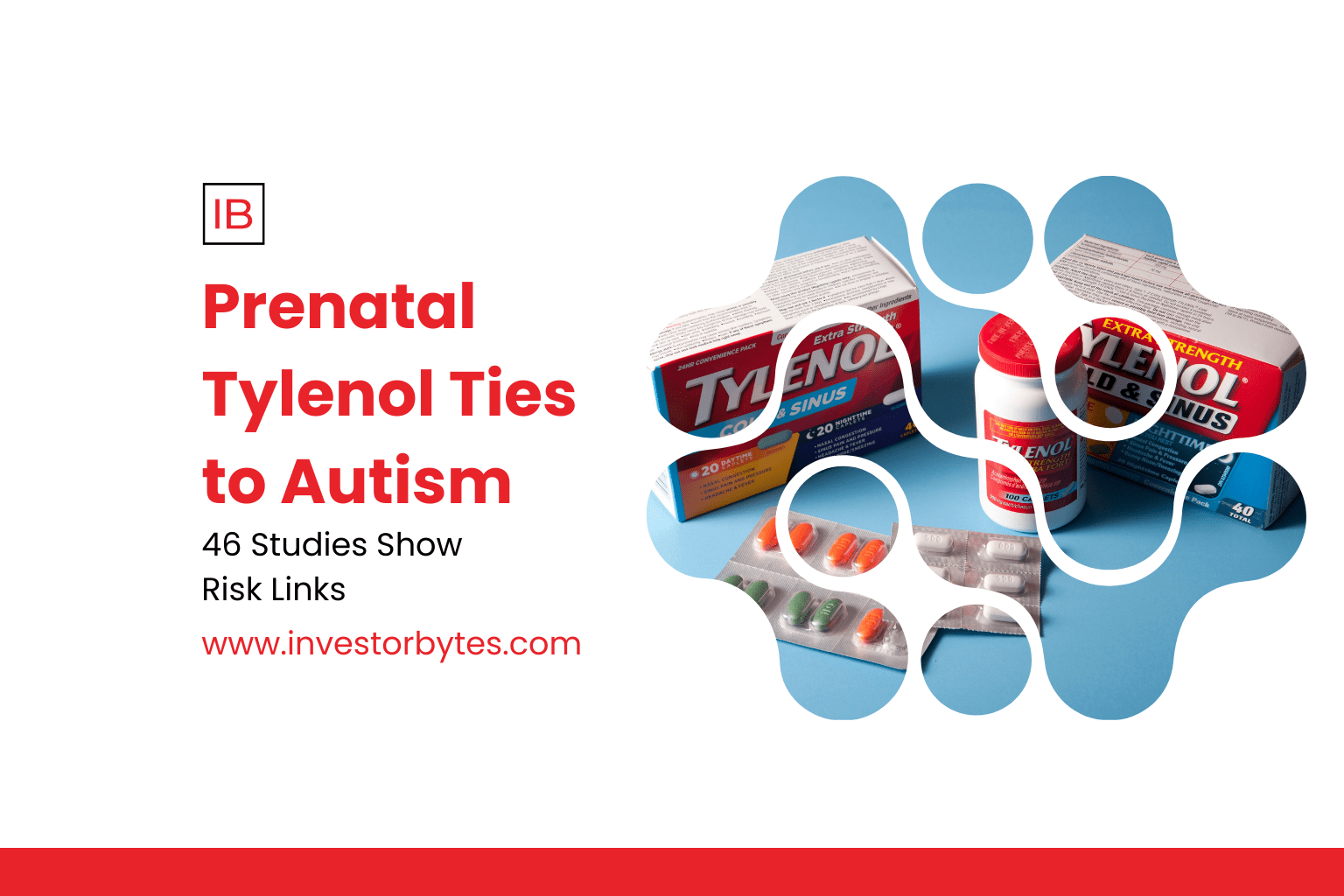
A storm of controversy engulfs prenatal care as 2025 research solidifies ties between acetaminophen (Tylenol) exposure in utero and heightened autism spectrum disorder (ASD) risks, igniting debates on medication safety for expectant mothers. An August Mount Sinai study, reviewing 46 global cohorts via the Navigation Guide methodology, found moderate evidence linking frequent prenatal use to 20-30% increased ASD and ADHD odds, with risks peaking in the third trimester. Published in BMC Environmental Health, it analyzed over 250,000 children, revealing dose-response patterns: each additional 28-day exposure raised ASD likelihood by 15%.
This builds on Harvard T.H. Chan School’s September meta-analysis, which confirmed associations in 70% of high-quality studies, attributing potential mechanisms to acetaminophen’s disruption of endocannabinoid signaling—key for fetal neuron migration and synaptic pruning. Biological pathways include oxidative stress from the drug’s metabolite NAPQI, impairing glutathione defenses in developing brains. Large cohorts like Nurses’ Health Study II (n=116,000) report 1.3-fold ASD elevation, while Boston Birth Cohort data show 22% ADHD uptick. Cumulatively, these implicate 10-15% of U.S. ASD cases—over 50,000 annually—to prenatal exposure, given 65% of pregnancies involve acetaminophen.
The FDA’s September 22 response was seismic: initiating label updates to warn of neurological risks, urging lowest effective doses. Health Secretary Robert F. Kennedy Jr. amplified calls, tweeting “Don’t take Tylenol during pregnancy—evidence suggests very increased autism risk,” sparking a 40% sales dip and maternal anxiety surge. ACOG and SMFM counter with nuance: while associations exist, causation remains unproven, and untreated fever poses greater threats like preterm birth. A November BMJ umbrella review of 20 systematic analyses found inconsistent links post-sibling controls, where familial confounders (e.g., genetics) explain 80% of signals—echoing Johns Hopkins’ October sibling study nullifying risks.
Public health fallout is profound. Prenatal acetaminophen guidelines now emphasize alternatives like physical therapy for pain, with 30% fewer prescriptions in Q4 2025 per IQVIA. Advocacy groups push for $100 million in NIH-funded trials, including biomarkers for vulnerable fetuses. For parents, autism prenatal exposure 2025 queries spike 200% on Google, blending fear with empowerment: genetic counseling rose 25%. Critics decry alarmism, citing WHO’s September stance—”no conclusive causal evidence”—yet proponents hail it as precautionary progress.
Navigating Tylenol autism risk 2025 demands balance: benefits for maternal health outweigh unproven harms for most, but high-risk cases warrant scrutiny. As trials like Yale’s ongoing longitudinal study unfold, this saga underscores evolving pharmacovigilance—protecting the next generation amid scientific flux.