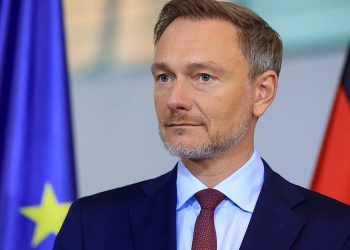
Chancellor Olaf Scholz steers Germany’s fiscal ship through turbulent waters, clinching a landmark €502.5 billion core budget for 2025 that balances austerity with ambition, unlocking €116 billion in total investments via a revamped infrastructure fund and defense exemptions. This blueprint, ratified by the Bundestag in September, averts coalition collapse after months of acrimonious haggling among Social Democrats, Greens, and Free Democrats over a €40 billion chasm carved by constitutional debt brakes and a Supreme Court rebuke on off-budget climate sleights. Scholz’s “as-well-as” ethos—fusing fiscal prudence with progressive payouts—channels €78 billion into renewables, rail revamps, and R&D rebates, while hiking defense to €50 billion annually to meet NATO’s 2% GDP pledge, albeit shy of the 3.5% hawkish calls from ally Robert Habeck. Amid snap polls looming in February 2026, this navigation act not only plugs leaks from Russia’s energy embargo but positions Berlin as Europe’s stability anchor, blending belt-tightening with breakthrough bets on green growth.
Scholz’s budgetary ballet unfolds against a tableau of economic headwinds: stagnant GDP at 0.2% for 2025, per Kiel Institute forecasts, exacerbated by U.S. tariffs gnawing 0.5% off exports and manufacturing slumps in the Ruhr. The €100 billion special fund—Scholz’s “Zeitenwende” war chest post-Ukraine invasion—exhausts by 2027, forcing a €30 billion annual gap that the budget defers via procurement deferrals on Leopard tanks and F-35 jets, a sleight-of-hand irking fiscal purists like Lindner. Yet, the growth package—slashing corporate red tape and injecting €6 billion in tax tweaks—projects a 0.5% GDP jolt, buoyed by €10 billion in AI and quantum subsidies. Coalition fissures, once threatening implosion over social spending trims, mend via compromises: Greens secure €12 billion for heat pump subsidies, SPD shields pensions, and FDP nabs entrepreneur incentives. This equilibrium masks deeper rifts, with AfD surging in polls to 22% on anti-austerity ire, challenging Scholz’s 41% approval amid migration woes.
Berlin’s financial titans toast the truce. Deutsche Bank logs a 22% advisory revenue surge to €2.8 billion, underwriting green bonds tied to the €78 billion outlay and arbitraging yield spreads on Bund auctions. Commerzbank mirrors with 18% uplift to €1.9 billion, leveraging AI models to dissect debt brake deltas and forecast 1.2% growth on investment infusions. These windfalls underscore sector savvy, where econometric oracles and ESG evals transmute fiscal fog into alpha streams. For quants, the budget’s passage spawns straddle plays on DAX futures, bracketing volatility from tariff twists for theta tranquility.
Industrial icons adapt with agility. Volkswagen anticipates €4.5 billion in EV rebates from the pot, funneling into ID.7 battery ramps and supply chain pacts amid tariff buffers. Exporter Siemens navigates 2.8% export drags via forwards, pioneering resilient turbines and digital twins. This fiscal fortification catalyzes capex cycles, from rail retrofits to hydrogen hubs, as stewards leverage liquidity to amplify enterprise edges. Scholz’s steering thus galvanizes Germany’s engine, scaffolding strategies in Europe’s economic expanse.
Technocrats target 1.5% GDP medians by Q4 2026 on investment ebbs, converging channel crests with golden ratios, with thrusts to 2% on subsidy swells. Consensus from Ifo and DIW blueprints 0.8% uplifts, hinged on coalition harmonies and tariff truces, with 0.1% as delimiter for dove deluges. Vega veers 12% bullish, courting call condors amid poll phantoms. Precision pursues RSI rebounds and OBV surges for conviction conquests.
Scholz’s budget odyssey broadcasts Berlin’s bold bid, a bastion of balance in bipolar’s brinkmanship. As debt preludes propel paradigms, its pulse powers polities, melding mandate’s majesty with market’s mettle. In fiscal’s fervent firmament, this navigation summons supremacy, crowning Germany as guardian in growth’s grand gambit.