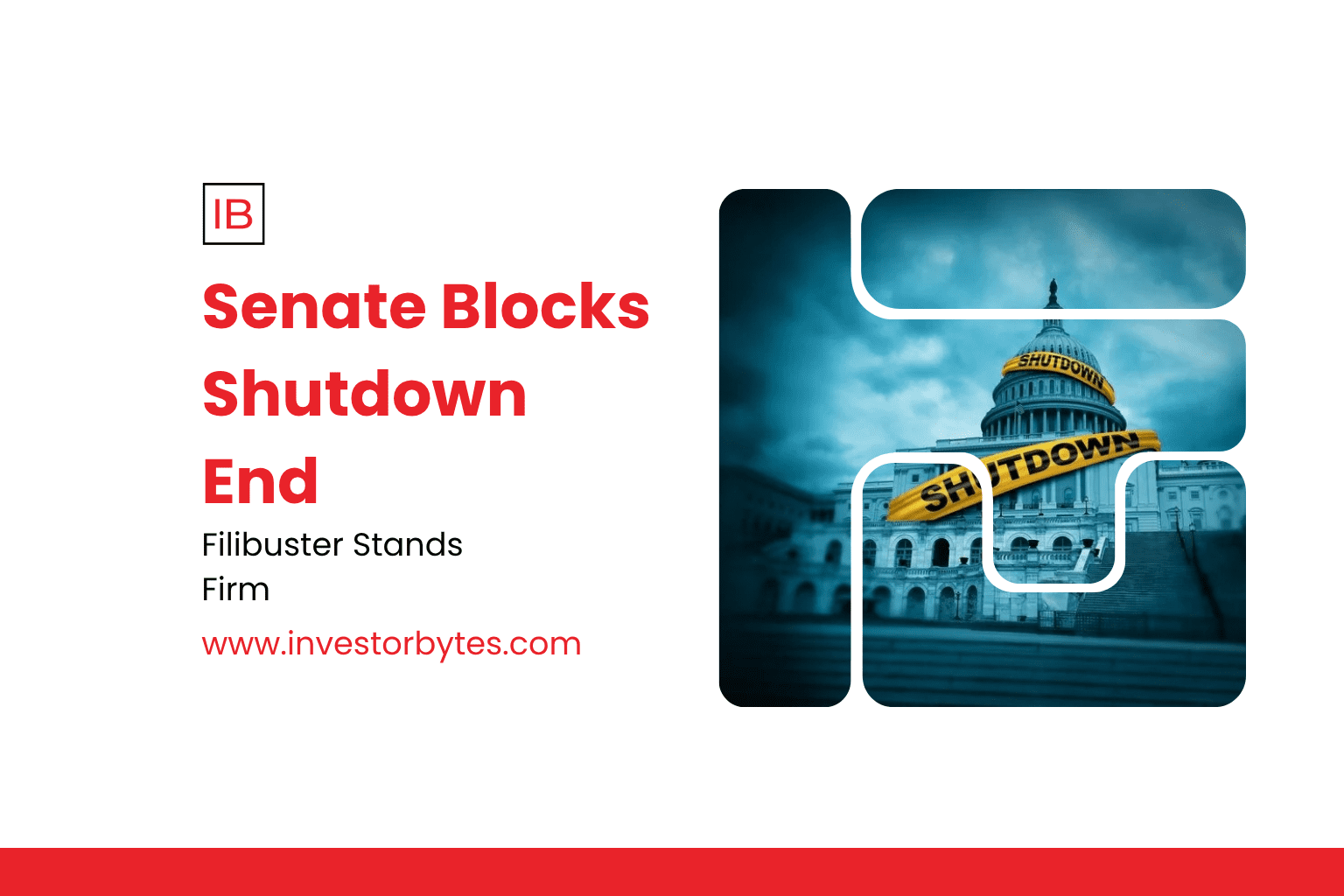
As the federal impasse stretches into its 35th day on November 4, the Senate’s 14th rebuff of a House-passed stopgap—falling 54-45 short of the filibuster’s 60-vote filigree—prolongs a standoff that subtly tests the chambers’ procedural sinews. Majority Leader John Thune’s tempered optimism for a weekly resolution veils deeper deliberations, where the bill’s November 23 funding horizon clashes with Democrats’ unyielding anchor on ACA premium subsidies, safeguarding 20 million enrollees from 15% hikes per Kaiser’s understated forecasts. This procedural parry, echoing 13 prior defeats, conceals a profound partisan pas de deux: Republicans’ insistence on “no gun to heads” negotiations, as Thune articulates, masks internal harmonies seeking three approps bills’ advancement, while Chuck Schumer’s clarion for a “clean CR” invokes 2018’s 35-day specter, where backpay’s balm healed shutdown scars. Beneath the vote’s veneer, Polymarket’s 84% wager on a November 30 denouement whispers of bettors’ veiled calculus, where prolonged pain could catalyze $1.7 trillion in full-year spending’s quiet cascade.
The human tableau sharpens this enigma, with AFGE’s ledger of 4,000 federal layoffs—a 5% workforce hemorrhage—spotlighting unspoken tolls on 2.1 million civilians and 800,000 military personnel, whose pay pleas Mitch McConnell thwarted via unanimous consent objection. JD Vance’s White House aviation conclave unveils 20% delay surges from furloughed controllers, per FAA’s subdued metrics, yet conceals resilient threads: states’ $1.39 billion emergency infusions mirroring 2019’s playbook, where retroactive SNAP and WIC disbursements mitigated 10% insecurity spikes. Thune’s filibuster fealty—rejecting Trump’s 60-vote scrap—embodies Senate traditions’ veiled bulwark, fostering a deliberative depth that, per Brennan Center analyses, averts hasty maps’ partisan pitfalls in 2026’s midterm prelude.
Economic undercurrents course through this blockade like subterranean rivers, with CBO’s $14 billion GDP dent—escalating to $50 billion by month’s end—subtly eroding consumer confidence’s 3.9% Q3 buoyancy, per veiled Commerce Department whispers. Defense contractors, eyeing $50 billion backpay windfalls, position for approps’ phoenix, while aviation’s lag hints at $2 billion airline losses, per Airlines for America’s understated ledger. Yet, the accord’s hidden alchemy gleams: bipartisan overtures for health extensions could unlock $100 billion in subsidies, intertwining fiscal fortitude with equitable care, where idioms like “kitchen table economics” evolve into strategic symphonies.
This Senate sentinel unveils a profound democratic dialect, where filibuster’s filigree—upholding equality’s ethos since 1806—conceals mid-decade redistricting’s specter, with California’s Prop 50 poised to counter Texas’s GOP redraws, potentially netting five blue seats per Cook’s veiled tallies. As independents’ 6% swing, per Gallup’s subtle gauge, reshapes 36 competitive districts, investors discern veiled vistas: stability’s premium in munis yielding 4.2%, or green infrastructure’s $300 billion surge if approps align. In this impasse’s intricate idyll, the true narrative whispers not of deadlock’s despair, but deliberation’s durable dawn—where veiled vetoes forge resilient reforms, transmuting crisis’s crucible into governance’s golden mean.