Visitors From Brazil, Argentina and Other South American Markets Help Offset Weakness in Overseas Tourism as the US Hospitality Industry Faces a Difficult Year
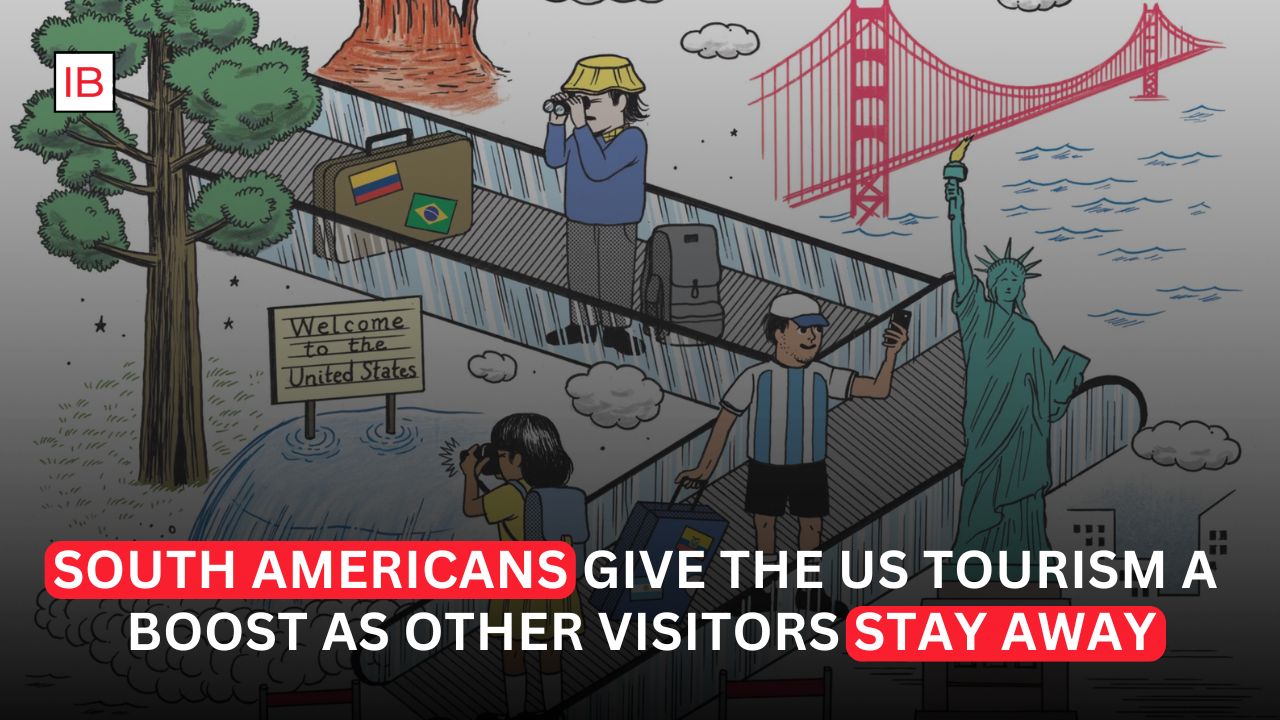
The US tourism industry is finding an important source of support from South American travelers as international visitor numbers face pressure from changing travel patterns, economic uncertainty and concerns surrounding travel to the United States.
Travelers from countries including Brazil, Argentina, Colombia and Chile are becoming increasingly important to US destinations, providing a much-needed boost to hotels, airlines, restaurants, retailers and other businesses that depend heavily on international visitors.
The shift comes at a challenging time for the American tourism sector. International travel remains a major source of spending, but the US has faced stronger competition from destinations across Europe, Asia and Latin America. South American visitors are therefore emerging as an increasingly valuable customer base for American tourism businesses.
South Americans Become an Important Source of Visitors
South America represents a large and diverse potential market for the US travel industry.
Brazil and Argentina are among the region’s biggest economies, while Colombia and Chile have developed strong connections with the United States through business, tourism and family relationships.
Travel from South America can also be especially valuable because visitors often spend significantly on hotels, restaurants, shopping and entertainment.
That spending creates economic benefits well beyond airports and hotels.
Tourists support local businesses, transportation companies, attractions and retailers, meaning an increase in international visitors can have a broad effect on regional economies.
US Tourism Faces a Challenging Environment
The stronger interest from South American travelers comes as the US tourism industry confronts a more complicated international environment.
Global tourism has recovered strongly from the pandemic, but the United States has not benefited equally from that rebound.
International travelers have increasingly considered destinations in Europe, Asia and Latin America, while perceptions about border procedures, immigration policies and travel costs have affected the attractiveness of the US for some visitors. Reports have pointed to a decline in foreign tourism to the US even as global travel spending continued to rise.
That makes the growth of particular visitor markets increasingly important for American businesses.
Brazil Offers Major Opportunity
Brazil is one of the most important potential growth markets for US tourism.
The country’s large population and expanding middle and upper-income consumer groups create a substantial pool of travelers with the financial ability to take international vacations.
Brazilian tourists have long been important visitors to destinations such as Miami, Orlando and New York.
Shopping is another major attraction.
Many Brazilian visitors travel to the United States partly because of the availability of luxury goods, electronics, clothing and other products.
Miami, in particular, has developed strong commercial and cultural connections with Latin America and remains a major gateway for South American travelers.
Argentina Adds Another Strong Market
Argentina is another important source of visitors.
Argentinians have historically been among the region’s more frequent international travelers, with strong demand for destinations across the Americas and beyond.
US cities can benefit from this travel because Argentine tourists often combine sightseeing with shopping and entertainment.
The strength of the Argentine travel market can also fluctuate with exchange rates and domestic economic conditions.
When international travel becomes more affordable for Argentine consumers, US destinations can see a corresponding increase in demand.
Colombia Strengthens US Travel Links
Colombia has also become an increasingly important tourism market.
The country has strong air connections with the United States and large communities of Colombian Americans maintain family ties across both countries.
That creates a steady stream of travel for both leisure and visiting friends and relatives.
Colombia’s growing international tourism sector also demonstrates the broader importance of the Americas as a travel market.
The United States has long been one of South America’s most significant external tourism destinations, while Colombia has itself benefited from strong international demand.
Miami Benefits From the South American Connection
Few US cities are as closely connected to South America as Miami.
The city has developed into a major commercial, financial and cultural center for Latin American communities.
Its tourism industry benefits from direct flights, Spanish- and Portuguese-speaking communities, international shopping and a large hospitality sector.
Miami is also one of the world’s major cruise destinations, giving South American travelers another reason to visit Florida.
The Inter-American Development Bank has described Miami as a major US tourism destination and one of the world’s busiest cruise-port cities.
That combination makes the city particularly well positioned to benefit when South American travel demand increases.
Airlines Gain From Stronger South American Demand
The tourism recovery also creates opportunities for airlines operating between the US and South America.
More travelers mean higher demand for international flights, particularly on routes connecting major South American cities with destinations such as Miami, New York, Orlando and other US hubs.
Airlines can benefit not only from passengers traveling for vacations but also from business travelers and people visiting relatives.
Strong demand on these routes can encourage carriers to maintain or expand capacity.
That, in turn, makes US destinations easier to reach and can generate additional tourism demand.
Shopping Remains a Major Attraction
Shopping is an important part of the US tourism economy.
International visitors often spend money on clothing, electronics, luxury goods and other consumer products while traveling.
South American tourists have historically been important customers for American retailers, particularly in Florida and major cities.
For retailers, international visitors can therefore provide a valuable source of spending at a time when domestic consumers may be more cautious.
The benefits extend to shopping centers, restaurants, transportation services and entertainment businesses located near major tourist destinations.
Tourism Supports Local Economies
The importance of international visitors goes beyond the money they spend directly.
Hotels employ workers, restaurants purchase supplies, airports support transportation businesses and attractions depend on local service providers.
That means a stronger tourism sector can create economic activity across entire metropolitan areas.
For destinations that depend heavily on international tourism, even relatively small changes in visitor numbers can have significant consequences.
South American travelers can therefore provide an important cushion for US businesses facing weakness from other overseas markets.
Competition for International Travelers Is Increasing
The US is competing with destinations around the world for the same international travelers.
Europe has remained a major attraction because of its extensive tourism infrastructure and cultural destinations.
Latin American and Caribbean destinations can also offer shorter travel times and competitive prices for South American tourists.
This means US tourism businesses cannot simply rely on the country’s traditional attractions.
They must compete on air connectivity, hotel prices, shopping opportunities, entertainment and the overall visitor experience.
Visa and Border Policies Matter
Travel policies remain another important consideration.
For many South American visitors, traveling to the United States requires obtaining a visa, which can add time and expense to the travel process.
Any changes in visa procedures, appointment availability or border requirements can therefore influence demand.
The US Visa Waiver Program includes a limited number of countries, meaning many South American travelers continue to face additional entry requirements compared with visitors from participating nations.
For the tourism industry, making international travel predictable and straightforward can be important for maintaining competitiveness.
South American Travelers Can Help Fill the Gap
The growing importance of South American visitors is particularly valuable because the US tourism industry needs alternative sources of international demand.
If arrivals from some traditional markets remain weak, stronger growth from Brazil, Argentina, Colombia and other countries can help compensate.
The effect will not necessarily be enough to completely offset broader weaknesses.
However, even moderate increases in visitor numbers can provide meaningful support to hotels, airlines, restaurants and retailers.
The 2026 Tourism Environment Adds Opportunity
The United States is also benefiting from major events and celebrations in 2026.
The country’s 250th anniversary has encouraged cities across the country to organize festivals, cultural events and historical attractions designed to bring in visitors.
Cities have been using the anniversary as a tourism opportunity, with local governments and destination organizations planning events to attract travelers.
For international visitors, those celebrations provide another reason to choose the United States for a trip.
Looking Ahead
The growing flow of South American travelers could provide a crucial lifeline for the US tourism industry as the sector navigates a more difficult international environment.
Brazil, Argentina, Colombia and Chile represent large travel markets with strong connections to American cities and businesses.
Their visitors can generate significant spending across hotels, airlines, restaurants, retailers, entertainment venues and other tourism-related industries.
The challenge for the United States will be maintaining that momentum while competing against increasingly attractive destinations elsewhere.
Travel costs, visa requirements, airline capacity and perceptions surrounding the US visitor experience will all influence future demand.
For American tourism businesses, South America therefore represents more than simply another source of visitors. It is becoming an increasingly important part of the industry’s strategy to maintain international growth.
As global tourism continues to evolve, South American travelers may prove to be one of the most important sources of resilience for the US tourism economy, helping businesses offset weakness in other international markets and keeping spending flowing through some of America’s biggest travel destinations.