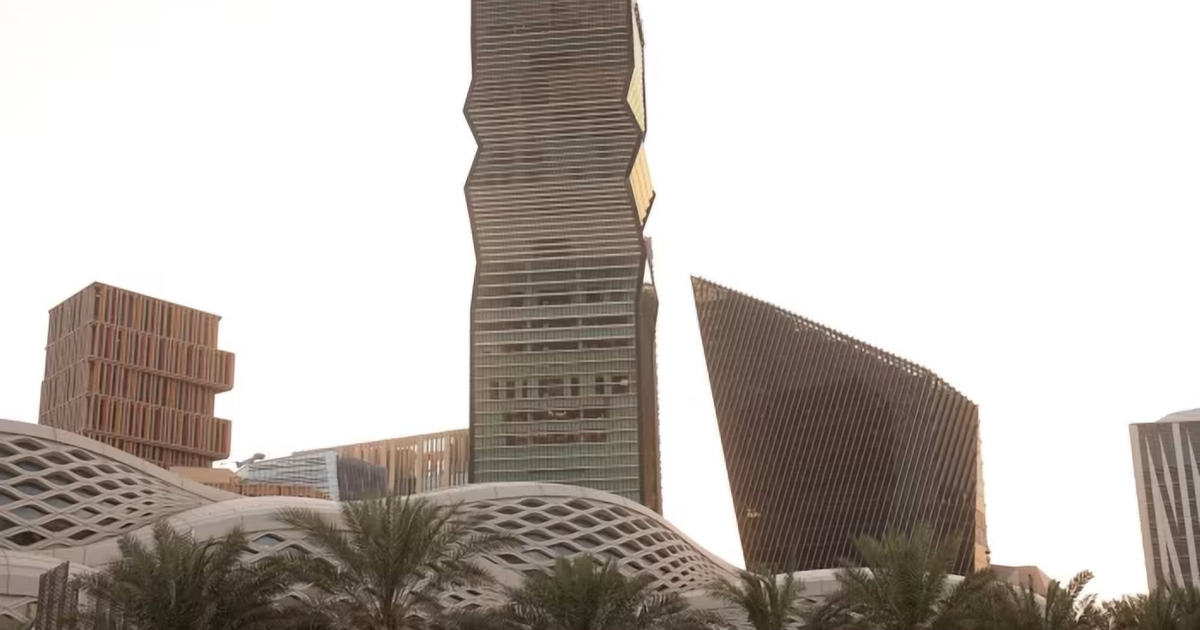
Geopolitical tensions across the Arabian Peninsula reached a dangerous new flashpoint over the weekend as an air assault struck deep into the commercial core of the Kingdom. The latest wave of Houthi strikes on Saudi Arabia targeted the heart of Riyadh’s King Abdullah Financial District, damaging an administrative skyscraper belonging to state energy company Saudi Aramco. The attack marks an alarming tactical escalation, underscoring that critical corporate headquarters and sovereign administrative hubs are directly within the crosshairs of regional missile and drone operations.
While the Saudi Energy Ministry maintained that the building sustained only minor damage from intercepted debris with zero casualties, visual verification by international news monitors showed shattered exterior facades and structural devastation across at least one floor. The strikes formed part of a coordinated barrage targeting King Khalid International Airport and Aramco bulk fuel depots, highlighting the expanding vulnerability of Gulf energy logistics.
As tracked across international macro coverage on InvestorBytes, kinetic shocks to core energy infrastructure inject severe geopolitical risk premiums into global benchmark futures. With benchmark crudes already trading at elevated levels, escalating security disruptions across primary production corridors risk accelerating structural inflation and compounding sovereign debt pressures worldwide.
Anatomy of the Weekend Escalation: Riyadh Under Fire
The assault on the capital followed four coordinated operations claimed by the Yemen-based armed movement. Using an inventory of ballistic missiles, cruise weapons, and long-range attack drones, the strikes tested the limits of the kingdom’s multi-layered air defense systems.
+-------------------------------------------------------------+
|          TARGET MATRIX: RECENT STRIKES ON RIYADH (2026)     |
+-------------------------------------------------------------+
|  Primary Urban Target:    Aramco Tower (Riyadh Financial Dist)|
|  Infrastructure Feeds:    Aramco Bulk Storage & Distribution|
|  Aviation Corridor:       King Khalid International Airport |
|  Secondary Targets:       Abqaiq Processing Complex / South |
+-------------------------------------------------------------+
Although coalition air defense batteries intercepted multiple incoming warheads over suburban perimeters, debris and direct munitions impacted central administrative structures. The strike disrupted what was supposed to be a return to normalcy: the kingdom’s education ministry had just authorized the resumption of in-person schooling following weeks of precautionary remote learning triggered by earlier drone alarms.
The Houthi military command framed the operation as direct retaliation for coalition air operations on al-Shariyah, east of Yemen’s capital, Sanaa, which local health agencies reported killed 33 civilians and wounded dozens. The rapid cycle of retaliatory fire demonstrates how quickly regional escalation can bypass international diplomatic appeals.
The Collapse of Truce Mechanisms and the Red Sea Embargo
The recurrence of Houthi strikes on Saudi Arabia reflects the total unravelling of diplomatic frameworks that had previously maintained relative calm. An informal ceasefire established in 2022 held for nearly two years before collapsing completely in July 2026.
The renewed fighting was triggered by the regional spillover of broader Middle Eastern military conflicts. Aligning their tactical objectives with regional allies, Houthi forces declared an aggressive maritime and aerial embargo against Saudi Arabia. The group resumed coordinated missile launches against oil refineries, domestic commercial airports, and commercial maritime tankers passing through the southern Red Sea and the Bab el-Mandeb Strait.
| Conflict Dynamic | Baseline Reality | Strategic Consequence |
| Air Defense Capacity | Interception rates remain high but porous | Fragment shrapnel inflicts high-rise urban damage |
| Maritime Trade Flow | Red Sea transit curtailed by naval attacks | Global container shipping routes diverted around Africa |
| Energy Asset Defense | Dispersed Patriot and surface-to-air coverage | Storage complexes and corporate hubs face sustained alert |
United Nations field monitoring agencies estimate that since hostilities flared up again over the summer, more than 1,600 people have been killed and over 300,000 individuals have been displaced across Yemen. With Houthi fighters making tactical gains along coastal pockets near Mokha and the Hanish Islands, the perimeter of defensive surveillance has stretched Saudi military resources thin.
Energy Market Implications and Sovereign Risk Premiums
For institutional allocators and commodity desks, the primary concern is the vulnerability of upstream and administrative oil infrastructure. Persistent Houthi strikes on Saudi Arabia elevate insurance freight rates, increase maritime security overhead, and disrupt refined product logistics.
When corporate administrative nodes like the Aramco Tower are struck alongside distribution complexes in Abqaiq, the market must price in supply continuity risks. While crude oil continues to flow from Eastern Province production fields, the threat of sustained urban attacks poses significant challenges for foreign direct investment initiatives. Riyadh has spent years positioning its financial district as an international headquarters hub for global banks, sovereign asset allocators, and technology multinationals.
Investors monitoring corporate credit spreads, sovereign debt shifts, and currency valuations on InvestorBytes Markets will note that continued security friction around the Gulf directly impacts fiscal spending, forcing governments to allocate larger shares of national budgets to air defense procurement rather than domestic economic transformation.
Strategic Outlook: Can Regional Containment Hold?
The direct targeting of corporate assets in the capital indicates that the conflict is moving into an aggressive new phase. As the United States orders non-essential personnel to limit travel and foreign embassies monitor urban threat advisories, the probability of an immediate diplomatic de-escalation remains exceptionally low.
Until verifiable multilateral agreements address the territorial control of western Yemen’s coastal launch sites and secure maritime chokepoints, the threat of recurring Houthi strikes on Saudi Arabia will remain a persistent headwind for Gulf commercial centers. As long as air defense batteries are forced to intercept cruise missiles over major financial skylines, global energy markets and multinational corporations operating in the region will continue to operate under elevated security protocols.
Disclaimer
The information provided in this article is for educational, journalistic, and informational purposes only and does not constitute formal financial, legal, or investment advice.