Legal Decision Marks Significant Development in Ongoing Sanctions Debate
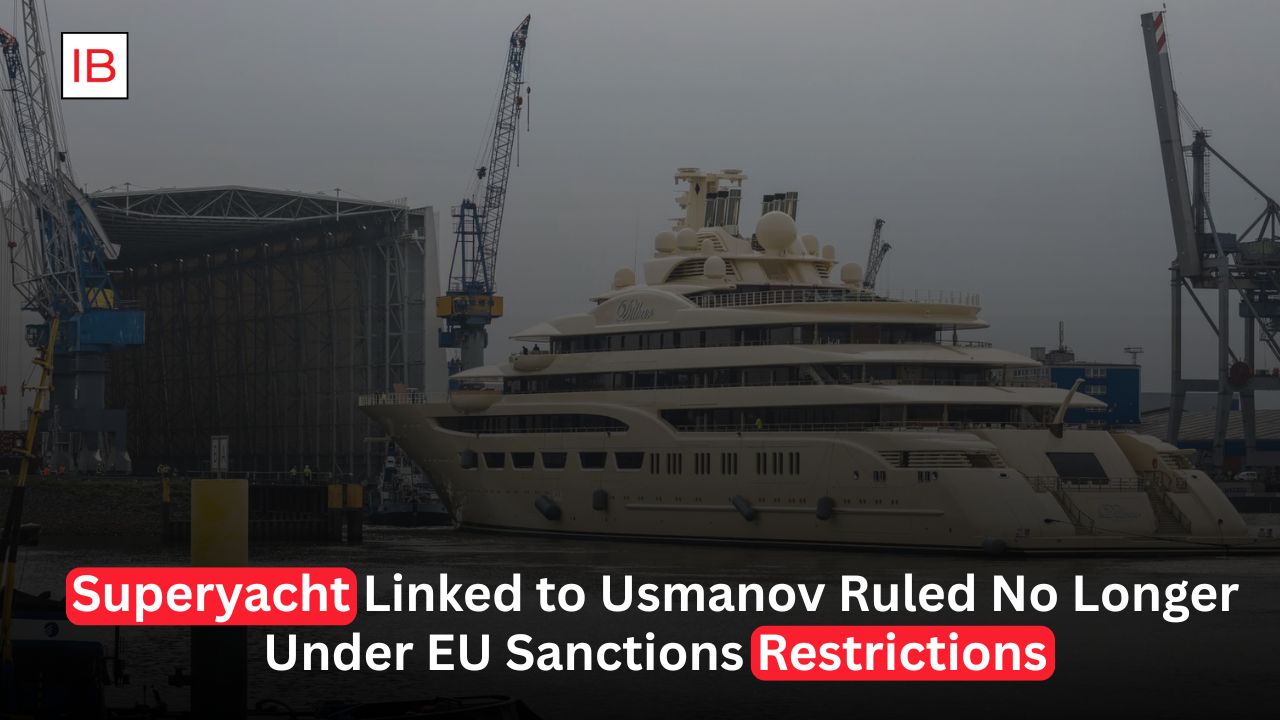
A superyacht linked to Russian billionaire Alisher Usmanov is no longer subject to European Union sanctions following a legal ruling that determined the vessel itself should not remain under restrictive measures.
The decision represents a notable development in the complex legal battles surrounding sanctions imposed on Russian individuals and assets since the escalation of geopolitical tensions in recent years. While sanctions against certain individuals remain in place, courts and regulators continue to evaluate whether specific assets should remain subject to restrictions.
The ruling highlights the legal challenges authorities face when enforcing sanctions against high-value assets such as luxury yachts, private aircraft, and international investments.
Why Superyachts Have Become Symbols of Sanctions Enforcement
Luxury yachts have become some of the most visible assets targeted by sanctions authorities worldwide.
Since the introduction of extensive sanctions against Russian business figures and political elites, governments across Europe and other regions have moved to identify, freeze, and restrict access to high-value assets linked to sanctioned individuals.
Superyachts, often worth hundreds of millions of dollars, have attracted particular attention because of their visibility and significant financial value.
Authorities have argued that freezing these assets helps enforce sanctions and limit access to wealth connected to sanctioned individuals. However, ownership structures involving trusts, holding companies, and international registrations frequently complicate enforcement efforts.
The Legal Question at the Center of the Case
The latest ruling focused on whether the yacht itself should continue to be treated as a sanctioned asset under European Union regulations.
Legal representatives argued that the vessel’s ownership and control arrangements did not justify maintaining restrictions under the applicable sanctions framework. The court ultimately concluded that the yacht should no longer remain subject to the measures in question.
The decision does not necessarily affect broader sanctions policies but demonstrates the importance of legal scrutiny in determining how sanctions are applied to individual assets.
Such cases often require courts to examine ownership structures, beneficial interests, and the relationship between assets and sanctioned individuals.
Challenges in Enforcing International Sanctions
The ruling underscores the difficulties associated with modern sanctions enforcement.
Many high-net-worth individuals hold assets through complex international structures involving multiple jurisdictions, companies, and legal entities. Determining ownership and control can therefore become a lengthy and complicated process.
Governments have devoted significant resources to tracking luxury assets, financial holdings, and corporate interests connected to sanctioned individuals. Nevertheless, legal disputes frequently arise when ownership arrangements are challenged in court.
As sanctions regimes expand, authorities continue refining methods for identifying and managing targeted assets.
The Growing Importance of Asset Ownership Transparency
Cases involving luxury yachts have increased calls for greater transparency in asset ownership.
Critics argue that complex ownership structures can make it difficult for regulators to determine who ultimately controls valuable assets. Supporters of transparency reforms believe stronger disclosure requirements could improve enforcement and reduce opportunities for concealment.
In response, several countries have introduced measures designed to strengthen beneficial ownership reporting and increase scrutiny of corporate structures linked to high-value assets.
The debate is likely to continue as regulators seek to balance privacy rights, legal protections, and enforcement objectives.
Impact on the Luxury Yacht Industry
The sanctions environment has had a significant impact on the global luxury yacht sector.
Shipyards, brokers, insurers, marinas, and service providers have faced increased compliance requirements as governments expanded sanctions-related oversight. Companies operating in the industry have been required to conduct more extensive due diligence and monitor ownership structures more closely.
Legal uncertainty surrounding sanctioned assets has also influenced buying, selling, financing, and chartering activities within the luxury maritime market.
Industry participants continue adapting to evolving regulations and compliance expectations.
Broader Implications for Sanctions Policy
The court’s decision may influence future legal challenges involving sanctioned assets.
As governments continue using sanctions as a key foreign-policy tool, courts are likely to play an important role in determining how those measures are interpreted and applied. Legal rulings can help clarify standards regarding ownership, control, and the circumstances under which restrictions should remain in force.
The outcome may encourage additional reviews of assets that have been frozen or restricted under similar frameworks.
At the same time, policymakers are expected to continue strengthening sanctions enforcement mechanisms where they believe legal gaps exist.
Why Investors and Businesses Are Watching Closely
The case is attracting attention far beyond the luxury yacht industry.
Financial institutions, multinational corporations, legal advisers, and investors all have an interest in understanding how sanctions rules are interpreted. Decisions involving high-profile assets often provide insight into broader regulatory trends and enforcement priorities.
Businesses operating internationally must carefully monitor sanctions developments to ensure compliance with evolving legal requirements across multiple jurisdictions.
The outcome of prominent cases can influence risk assessments and compliance strategies throughout the global business community.
Looking Ahead
The ruling involving the superyacht linked to Alisher Usmanov highlights the increasingly complex intersection of sanctions policy, international law, and asset ownership.
While sanctions remain a central component of global geopolitical strategy, the legal processes governing their implementation continue to evolve. Courts are playing an important role in determining how restrictions apply to individual assets and whether enforcement actions meet legal standards.
As governments refine sanctions frameworks and targeted individuals continue challenging restrictions through legal channels, similar disputes are likely to emerge in the future.
For regulators, businesses, and investors alike, the case serves as a reminder that sanctions enforcement is not only a political issue but also a legal one, where questions of ownership, control, and due process remain critically important.