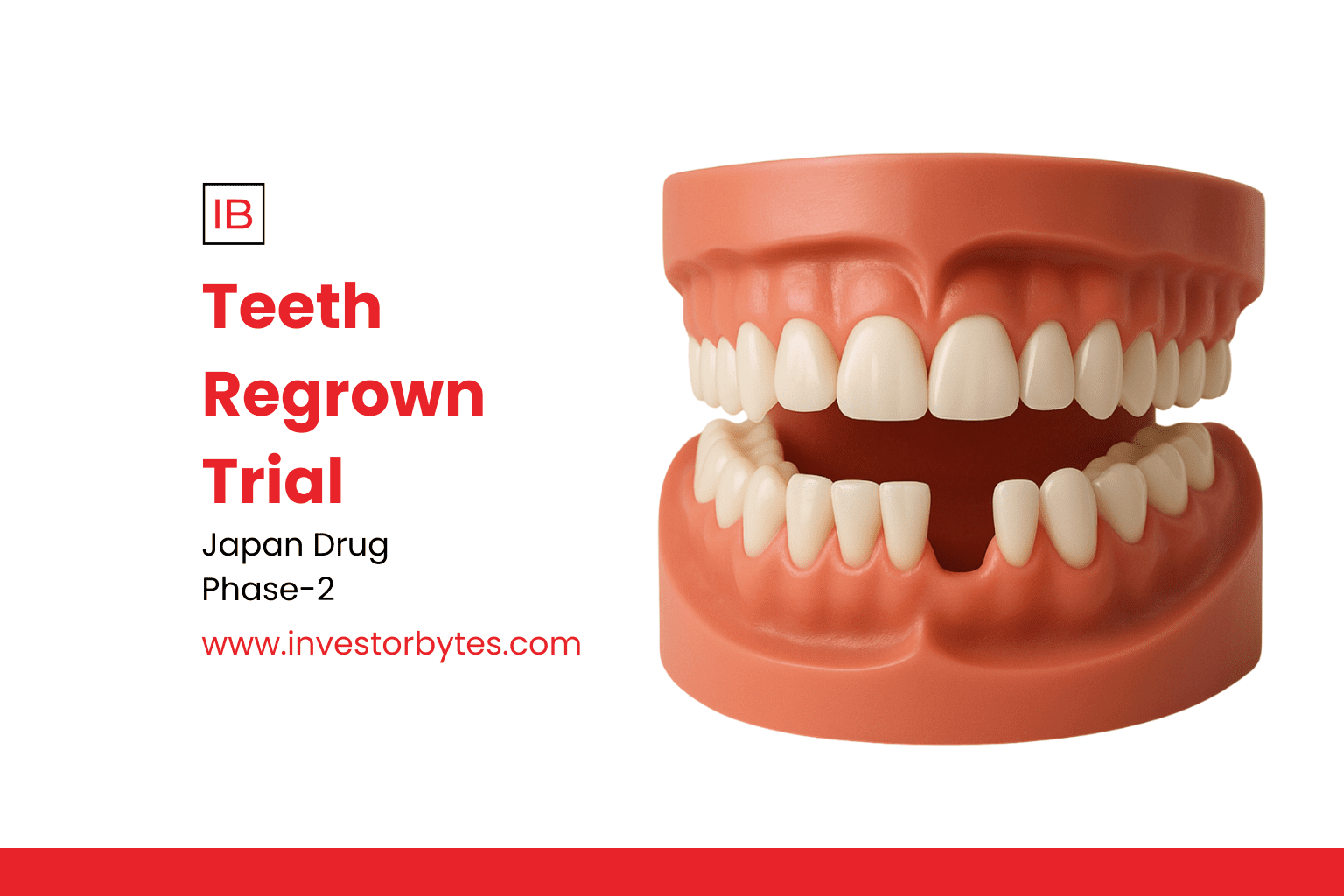
Kyoto University Hospital’s September 2025 launch of the world’s first human trial for tooth-regrowth drug TRG035—targeting USAG-1 inhibition—ushers regenerative dentistry’s dawn, dosing 30 males aged 30-64 missing molars to stimulate dormant buds over 11 months, with no animal side effects reported. Toregem Biopharma’s monoclonal antibody, building on ferret/mouse successes growing third sets, reactivates BMP pathways for dentin/enamel formation, eyeing Phase 2 in 2-7-year-olds with congenital agenesis (1% prevalence) by 2026.
Edentulism’s 5% U.S. toll—$100 billion annually—plagues 1.5 million Aussies over 50; TRG035’s intravenous delivery could slash implants’ $2-5K costs, with hybrid porcine-human models from Tufts yielding viable replacements in 2025 pilots. Penn’s hydrogel-stem trials regenerate jawbone 50% faster, complementing P26 peptide’s Phase I safety nods for oligodontia. Ethical porcine sourcing evades stem-cell qualms, with 97% USAG-1 homology ensuring translatability.
By 2030 commercialization—post-Phase 3 expansions to partial edentulism—TRG035 could end denture reliance, as King’s College bioengineers scaffold regrowth sans fillings. Risks: vascular integration lags, yet 2030’s horizon heralds “own teeth” eternity, revolutionizing orals for billions.