Nvidia CEO Meets Key Industry Leaders in Japan as Company Deepens Partnerships for the Next Wave of AI Innovation
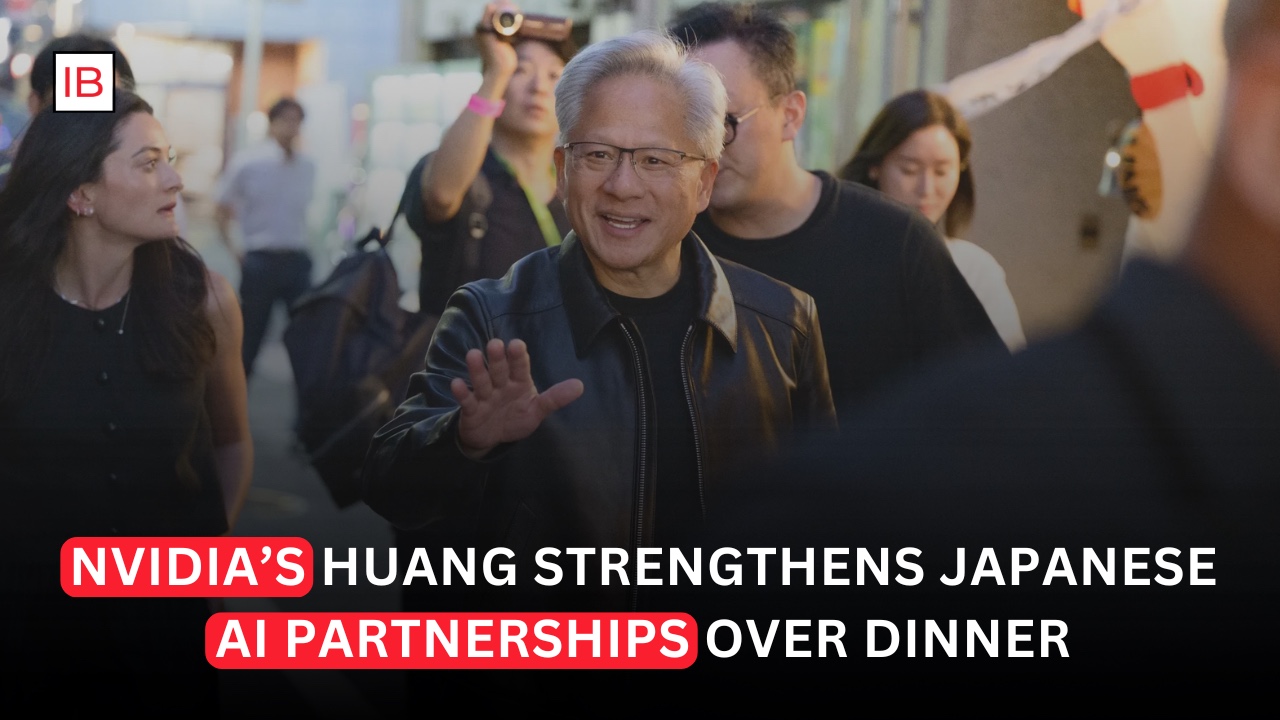
Nvidia Chief Executive Jensen Huang met with senior executives from some of Japan’s most important semiconductor and technology suppliers during an informal dinner in Tokyo, underscoring the country’s critical role in the global artificial intelligence supply chain. The gathering, held in Tokyo’s Kanda district—known for its traditional izakaya restaurants and grilled pork skewers—highlighted Nvidia’s efforts to strengthen relationships with companies that provide essential materials, components, and manufacturing technologies for advanced AI chips.
The meeting comes as demand for AI infrastructure continues to surge worldwide, making reliable partnerships across the semiconductor ecosystem more important than ever.
Japan’s Suppliers Play a Critical Role
The dinner brought together executives from several leading Japanese companies that support advanced semiconductor production.
Among the attendees were leaders from:
- Kioxia Holdings.
- Shin-Etsu Chemical.
- Tokyo Electron.
- Ajinomoto.
- Sumitomo Electric Industries.
- Taiyo Yuden.
- Panasonic.
These companies contribute technologies ranging from silicon wafers and semiconductor equipment to specialty chemicals, advanced packaging materials, optical components, and electronic parts that are essential for manufacturing cutting-edge AI processors.
Strengthening the AI Supply Chain
Rather than focusing solely on Nvidia’s graphics processors, Huang emphasized the importance of the broader manufacturing ecosystem.
Key priorities include:
- Securing advanced semiconductor materials.
- Expanding manufacturing partnerships.
- Improving chip packaging capabilities.
- Supporting AI infrastructure growth.
- Accelerating next-generation semiconductor production.
Industry experts note that no single company can build advanced AI systems alone, making collaboration across the supply chain increasingly important.
Huang Highlights Japan’s Engineering Excellence
Earlier in the day, Huang praised Japan’s long-standing leadership in semiconductor technology, saying the country provides many of the foundational technologies that make modern chip manufacturing possible.
Japan remains a global leader in:
- Semiconductor materials.
- Silicon wafer production.
- Precision manufacturing equipment.
- Chemical technologies.
- Advanced electronic components.
These capabilities have made Japanese suppliers indispensable partners for companies developing the world’s most advanced AI hardware.
Informal Diplomacy Builds Business Relationships
The relaxed dinner setting reflected Huang’s hands-on approach to building long-term partnerships.
According to reports, the Nvidia CEO:
- Shared sake with executives.
- Enjoyed traditional grilled pork skewers.
- Spoke directly with industry leaders.
- Greeted members of the public gathered outside.
- Thanked partners for supporting Nvidia’s rapid growth.
The informal gathering illustrated how personal relationships continue to play an important role in high-level business negotiations, even within the fast-moving technology sector.
AI Boom Continues to Drive Global Investment
Nvidia’s outreach to Japanese suppliers comes as the company continues expanding its AI ecosystem amid record demand for high-performance computing.
The rapid growth of artificial intelligence is increasing demand for:
- AI accelerators.
- Advanced memory chips.
- Semiconductor manufacturing equipment.
- High-speed networking technologies.
- Next-generation chip packaging.
As AI adoption spreads across industries, securing reliable supply chains has become a strategic priority for technology companies worldwide.
Looking Ahead
Jensen Huang’s visit to Tokyo highlights the growing importance of international partnerships in the AI era. By strengthening ties with Japan’s leading semiconductor suppliers, Nvidia is reinforcing the global network that supports the production of advanced AI hardware.
With demand for artificial intelligence continuing to accelerate, collaboration between chip designers, equipment manufacturers, and materials suppliers will remain essential for expanding production capacity and driving future innovation across the technology industry.