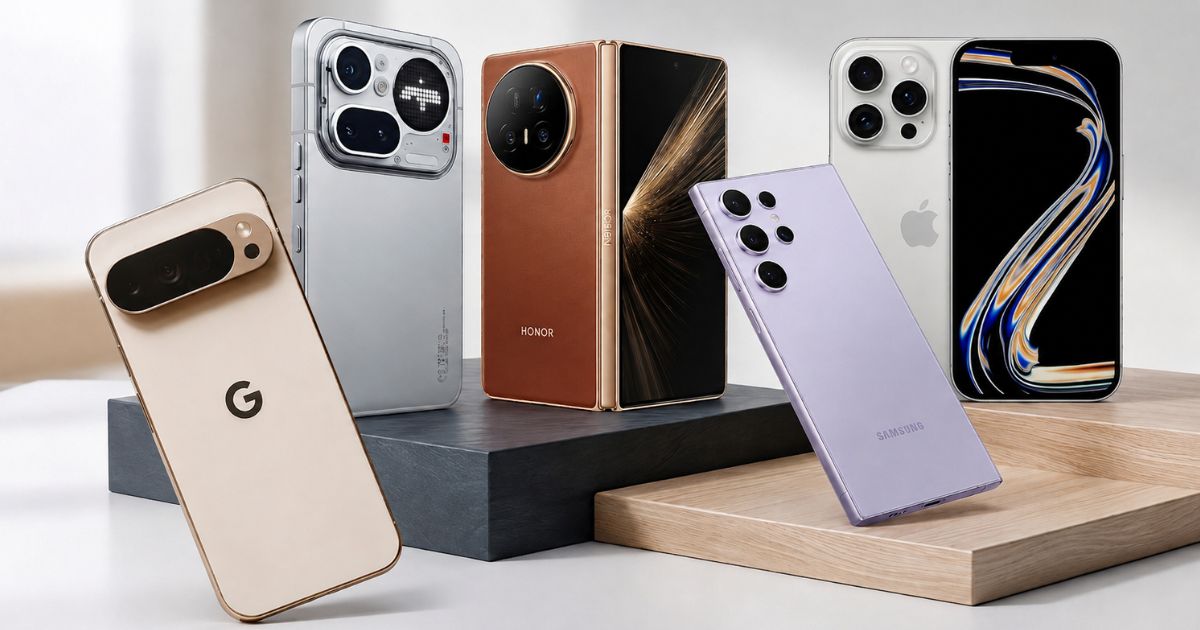
Buying a phone this year is honestly a headache. Every brand claims theirs is “the best,” ads keep shouting about AI, and spec sheets read like they were written to confuse you on purpose. So instead of adding to that noise, I just looked at what people are actually buying and talking about right now — no hype, just the real picture of what’s trending between 2026 and 2027, and why it’s trending in the first place.
1. Samsung Galaxy S26 Ultra
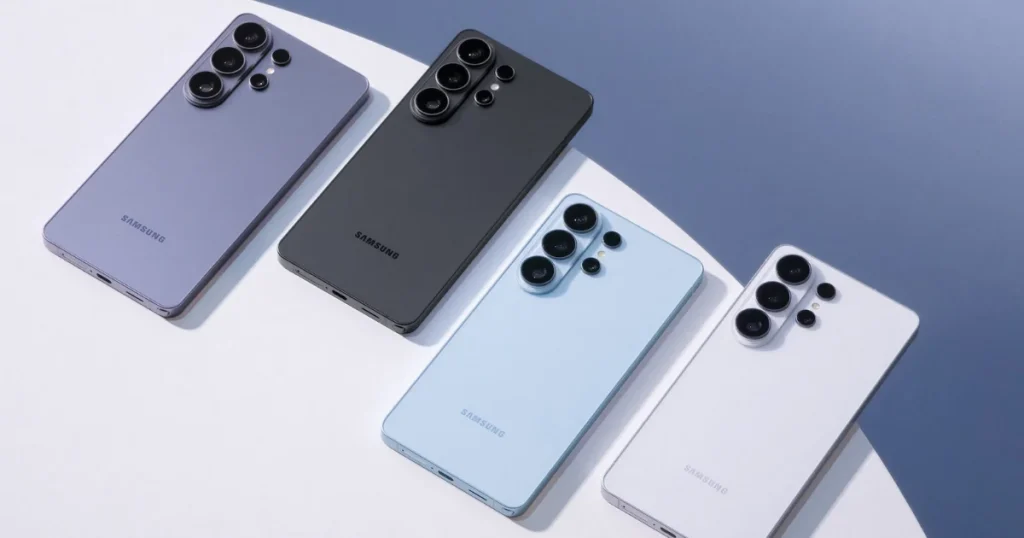
This name keeps showing up everywhere lately. Samsung didn’t try to reinvent anything with the S26 Ultra — they just polished what already worked. The 6.9-inch screen is massive, and there’s a new chip built only for Galaxy devices that makes things feel snappier than before. One thing worth mentioning: they added a Privacy Display, so if someone’s sitting next to you on the bus, they can’t read your texts anymore. Small change, but the kind of thing you appreciate once you’ve actually used it for a week.
Features:
- 6.9-inch Dynamic AMOLED display, 120Hz refresh rate
- Custom Snapdragon chip built only for Galaxy phones
- Privacy Display so people can’t peek at your screen
- 5000mAh battery with 60W fast charging
- Four rear cameras, strong at night photography
- Built-in S Pen for notes and sketches
- IP68 water and dust resistance
Pros:
- Runs smooth no matter what you throw at it — gaming, multitasking, doesn’t matter
- AI tools actually help instead of being a gimmick
- Lighter than last year’s model, you notice it the moment you pick it up
- Long software support from Samsung
Cons:
- Battery size didn’t grow this year
- No Qi2 wireless charging, which annoyed a lot of buyers
- Price keeps climbing every year
2. Apple iPhone 17 Pro Max
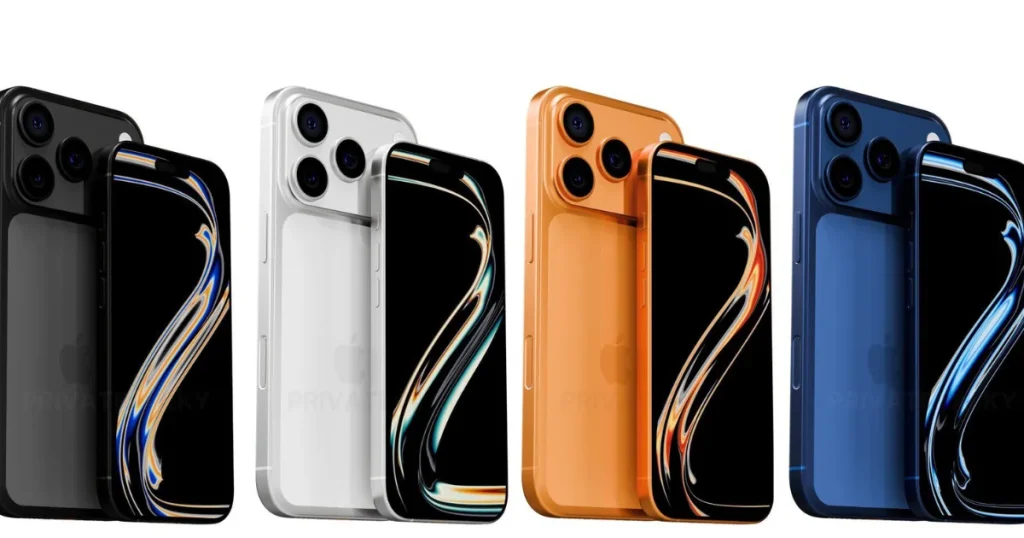
Apple went with a loud orange color this time, which people either love or can’t stand. Past the color talk though, this is a genuinely strong phone. They finally put a vapor chamber inside, so it stays cool even during long gaming sessions — older iPhones used to heat up uncomfortably fast, this one doesn’t budge nearly as much.
Features:
- 6.9-inch Super Retina XDR display, 120Hz
- A19 Pro chip with vapor chamber cooling
- Triple 48MP camera system
- Center Stage front camera that frames video calls automatically
- Longest battery life of any iPhone so far
- Switched from titanium back to aluminum
Pros:
- Performance stays strong even under heavy, long use
- Photos and video are genuinely some of the best on any phone
- Battery lasts a full day without babysitting
- New front camera is actually useful, not just a marketing line
Cons:
- Heavier and thicker than last year’s model
- Price jumps fast once you go past base storage
- Still a step behind some Android rivals on AI features
3. Xiaomi 17 Ultra
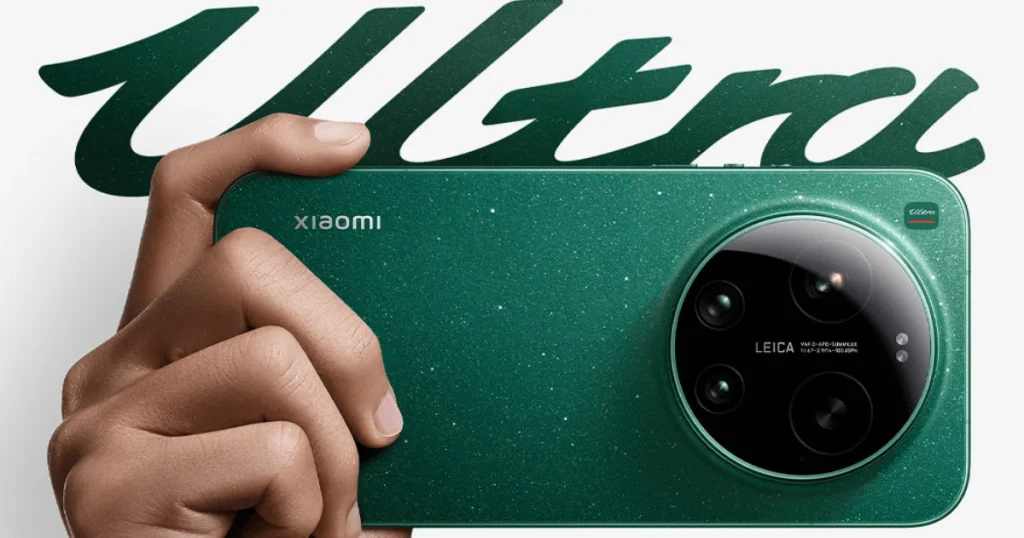
For weeks in early 2026, this phone stayed at the top of every trending list, and it wasn’t random luck. Xiaomi went hard on the camera this time — a 1-inch sensor, the kind you’d expect in an actual standalone camera, not something crammed into a phone body.
Features:
- 6.9-inch AMOLED display with 12-bit color depth
- Snapdragon’s latest, fastest chip
- 1-inch main camera sensor with real optical zoom
- 50MP selfie camera for detailed video calls
- Fast wired and wireless charging
- Battery built to survive a heavy full day
Pros:
- One of the best cameras you can get on a phone right now
- Day-to-day performance feels buttery smooth
- Colors on screen look rich and natural
- Battery holds up well even for power users
Cons:
- Software takes a little adjustment if you’re coming from another brand
- Priced higher than earlier Xiaomi Ultra models
- Not officially sold everywhere, so buying outside Asia can be tricky
4. Vivo X300 Pro
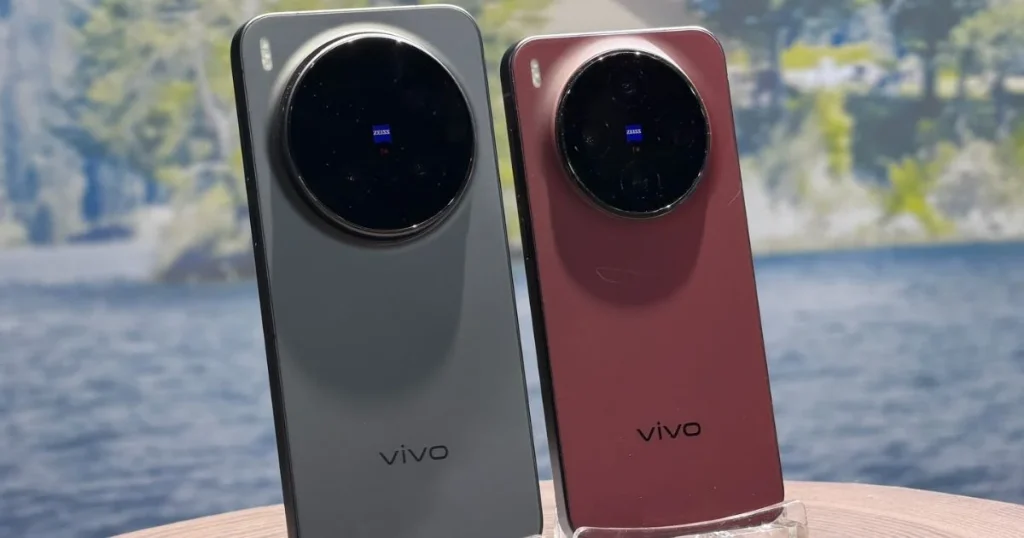
This one doesn’t get talked about enough. It quietly picked up the highest camera score of the year in independent testing — beat out names with way bigger marketing budgets and much louder ad campaigns. It’s got a large Sony sensor paired with a 200MP telephoto lens, so zoomed shots come out surprisingly clean.
Features:
- 6.78-inch LTPO AMOLED display
- MediaTek Dimensity 9500 chipset
- Large Sony sensor combined with 200MP telephoto camera
- 6510mAh battery, one of the biggest in any flagship
- Fast 90W wired charging
- Strong stabilization for steady handheld video
Pros:
- Zoom photography is basically unmatched
- Battery genuinely gets you past a full day, even with heavy use
- Clean software without much clutter
- Great value against pricier competitors
Cons:
- Camera bump is thick, noticeable on a flat table
- Harder to buy outside Asian markets
- Chipset sits slightly behind Snapdragon in raw benchmarks
5. Google Pixel 10 Pro XL
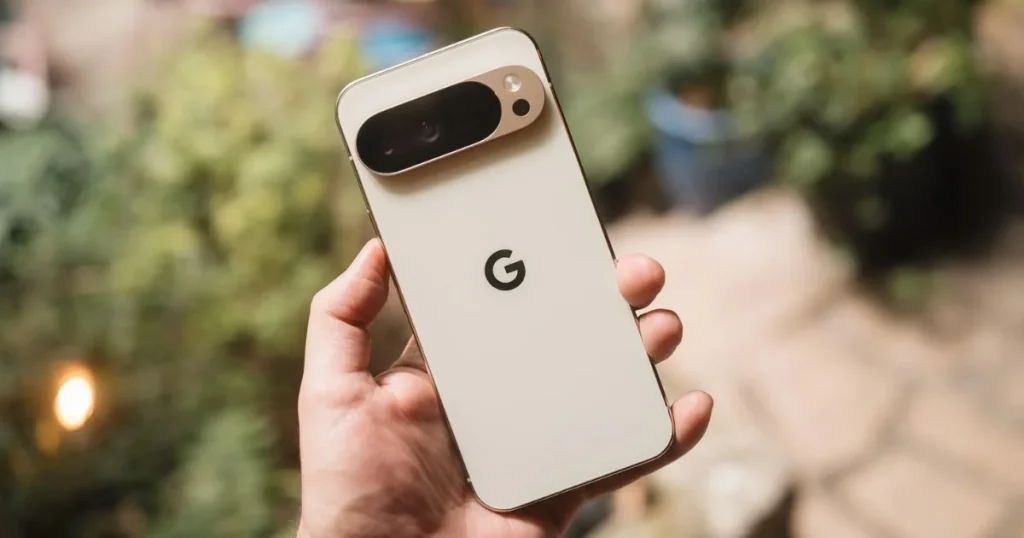
Ask any reviewer which phone has basically no weaknesses, and a lot of them point straight here. Google isn’t chasing spec numbers — they’re focused on making the software feel effortless, and honestly, after using it for a while, it really does work that way.
Features:
- 6.8-inch LTPO OLED display
- Google Tensor G5 chip, built for AI tasks
- Triple camera setup leaning on smart software processing
- Up to seven years of software and security updates
- Clean, simple Android software
- 5200mAh battery for all-day use
Pros:
- Smoothest overall software experience on Android
- Long-term updates mean it won’t feel outdated in two years
- AI camera features are smart without feeling forced
- Reviewers keep saying it has basically no major flaws
Cons:
- Gaming performance isn’t quite Snapdragon-level
- Battery is smaller than some competitors offer
- Still priced like a premium flagship
6. OnePlus 15
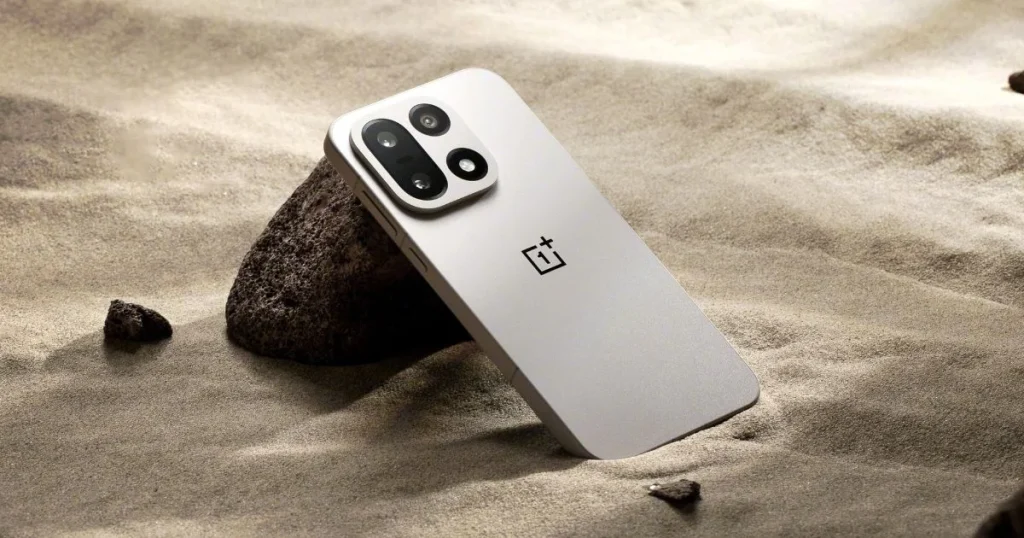
If your biggest worry is your phone dying by 3pm, this might solve that for good. OnePlus built its whole reputation on chart-topping battery life, and once you actually use one, you get why people keep telling their friends to buy it.
Features:
- 6.78-inch LTPO AMOLED display
- Snapdragon’s newest top-tier chip
- 7300mAh battery, genuinely one of the largest around
- Fast wired and wireless charging
- Tough build that handles daily life well
- Smooth performance for gaming and multitasking
Pros:
- Battery easily stretches across two days of normal use
- Strong value pick for the price
- Handles gaming and multitasking without lag
- Smooth display for everything from scrolling to gaming
Cons:
- Camera is good but not chart-topping like some rivals
- Some pre-installed apps come bundled in
- Design doesn’t really stand out from the crowd
7. Honor Magic V5
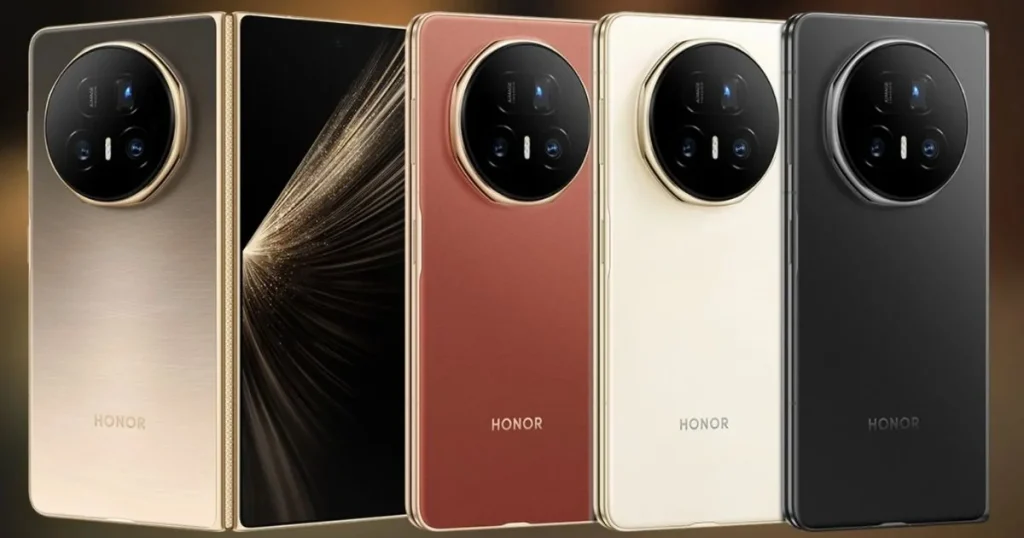
Foldables used to feel like fragile experiments nobody really trusted with daily life. This one changes that impression fast. It’s thin, light, and somehow still holds up well durability-wise, which is genuinely rare in this category.
Features:
- Large foldable inner screen plus a spacious cover display
- One of the thinnest, lightest foldable designs available
- IP58/IP59 water and dust resistance, rare for foldables
- Stylus support included
- Dolby Vision certified on both screens
- Loud, clear stereo speakers
Pros:
- Shockingly light for a folding phone
- Water resistance rating is a genuine first for many foldables
- Both screens are sharp and feature-packed
- Hinge and build quality feel premium and solid
Cons:
- Costs noticeably more than regular flagship phones
- You may still notice a slight crease on the inner screen
- Fewer cases and accessories available compared to normal phones
8. Motorola Razr Ultra (2026)
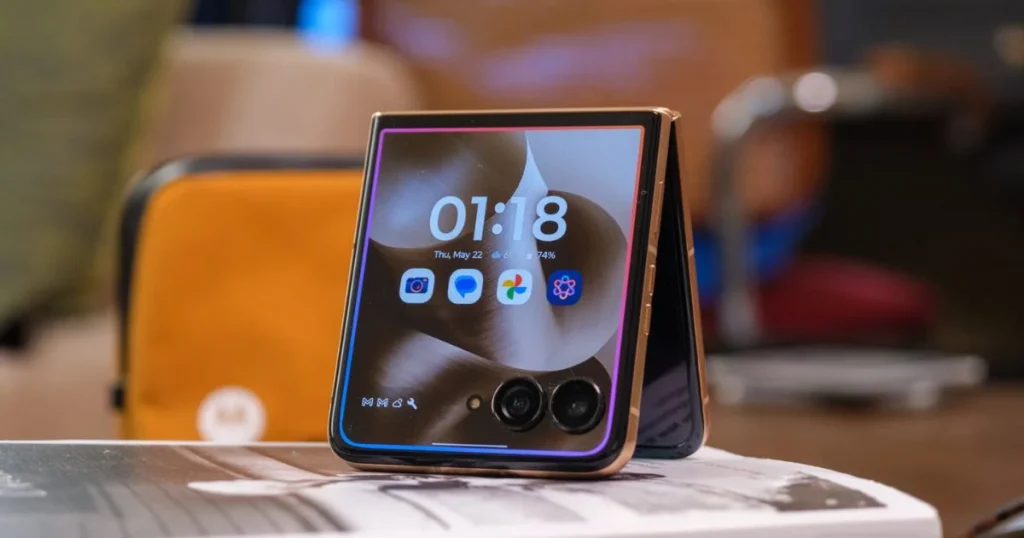
Remember flip phones from a decade ago? Motorola brought that idea back but loaded it with proper modern hardware. The cover screen here is genuinely big enough that you barely need to open the phone for most everyday stuff, texting included.
Features:
- 7.0-inch inner display at 165Hz
- 4.0-inch external screen that’s actually usable
- Vegan leather back option
- Up to 16GB RAM and 512GB storage
- Dual rear camera setup
- Compact folding design
Pros:
- Stands out visually with a retro-modern folding style
- High refresh rate makes everything feel incredibly smooth
- Cover screen is big enough to actually be useful
- Folds down small enough for a tight pocket
Cons:
- Water resistance isn’t as strong as non-folding rivals
- Battery runs smaller than a typical flagship
- Folding phones need more careful handling overall
9. Nothing Phone (4a) Pro
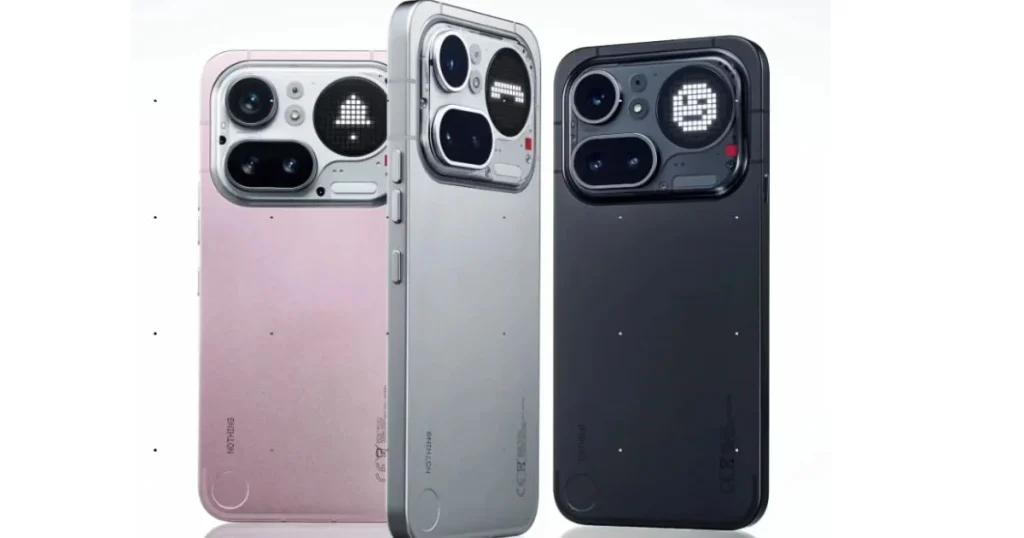
Not everyone’s got flagship money to spend, and that’s exactly where this one fits in nicely. It’s a mid-range phone that keeps surprising people — Nothing swapped their usual see-through back for a bold aluminum design this time, and it actually works.
Features:
- Snapdragon 7 Gen 4 chipset
- 50MP telephoto camera, rare at this price point
- Fast charging that saves time daily
- Unique aluminum backplate design
- Large, eye-catching camera module
- Clean, simple Nothing OS software
Pros:
- Value here is genuinely hard to beat
- Telephoto camera outperforms most rivals at this price
- Design looks different from everything else on the shelf
- Fast charging means less waiting around
Cons:
- Not as powerful as a true top-tier flagship chip
- Availability is still limited in some regions
- Software updates likely won’t stretch as long as flagship phones
10. ASUS ROG Phone (Gaming Series)
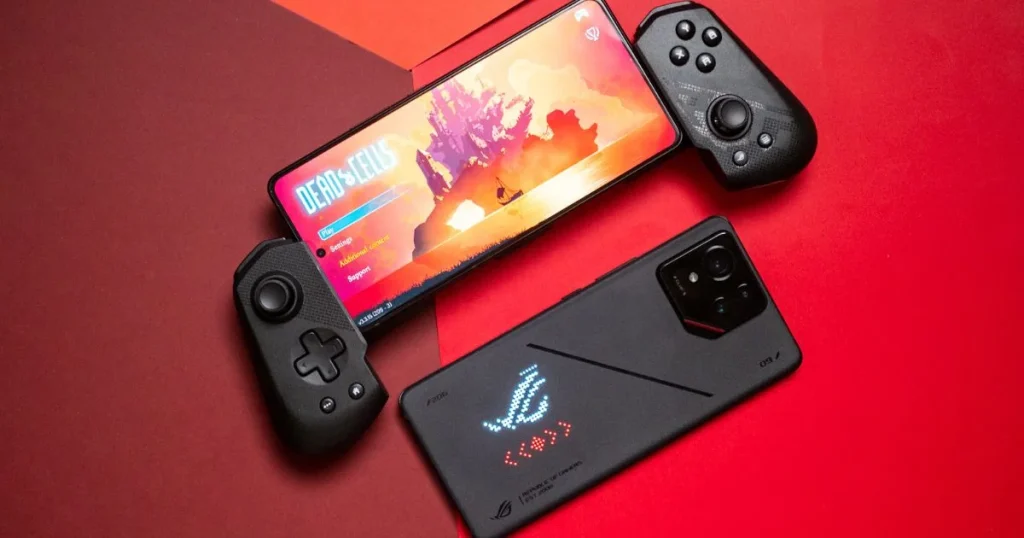
Last one on the list, and if you’re serious about mobile gaming, this can’t be skipped over. It’s not trying to be your daily driver — it exists for one reason only: gaming performance, full stop, nothing else really matters to this phone.
Features:
- Ultra-smooth 185Hz refresh rate display
- AirTrigger shoulder buttons that mimic real controller triggers
- AI Gaming Assistant that records highlights automatically
- Large battery for long gaming marathons
- Extra cooling system for heavy sessions
- Loud stereo speakers for immersive audio
Pros:
- Gaming performance and controls are on a different level
- AI tools genuinely help improve gameplay over time
- Cooling stays effective even hours into a session
- Sound quality pulls you right into the game
Cons:
- Bulkier and heavier than a normal phone
- Camera performance clearly isn’t the focus
- Gaming-first design might feel like overkill if you’re not into gaming
Final Thoughts
Put all ten together and one thing’s obvious — 2026 has been a genuinely strong year for phones. Batteries last longer, cameras keep improving, and AI is finally starting to feel useful instead of just being a marketing word slapped on a box. Whether you want the best camera with the Vivo X300 Pro, something different like the Honor Magic V5, or pure gaming power with the ROG Phone, there’s a fit for pretty much everyone here. At the end of the day, the “best” phone isn’t the one winning awards — it’s the one that actually matches how you use your phone daily. Look at your budget, think about your habits, don’t get pulled in by marketing lines alone, and you’ll end up with something you’re genuinely happy carrying around well into 2027.
My Opinion
I would choose Google Pixel 10 XL Pro. Every other phone on this list wins in one specific area — the best camera, the biggest battery, the fastest gaming chip — but usually gives something up somewhere else. The Pixel doesn’t really do that. It’s not the flashiest, but it’s the phone reviewers keep calling “no major flaws,” and that’s rare.
What really seals it is the seven years of software updates. Most flagships give you three or four years before things start feeling outdated. With the Pixel, you’re buying something that stays current for nearly a decade, which honestly makes it a smarter long-term investment than phones with flashier specs but shorter support windows.
Add in genuinely smart AI features, clean software, and a solid all-day battery, and you get a phone that just works well for almost anyone, without asking you to compromise on much at all.