White House Replaces Previous Global Tariffs With New Import Duties Following Supreme Court Ruling.
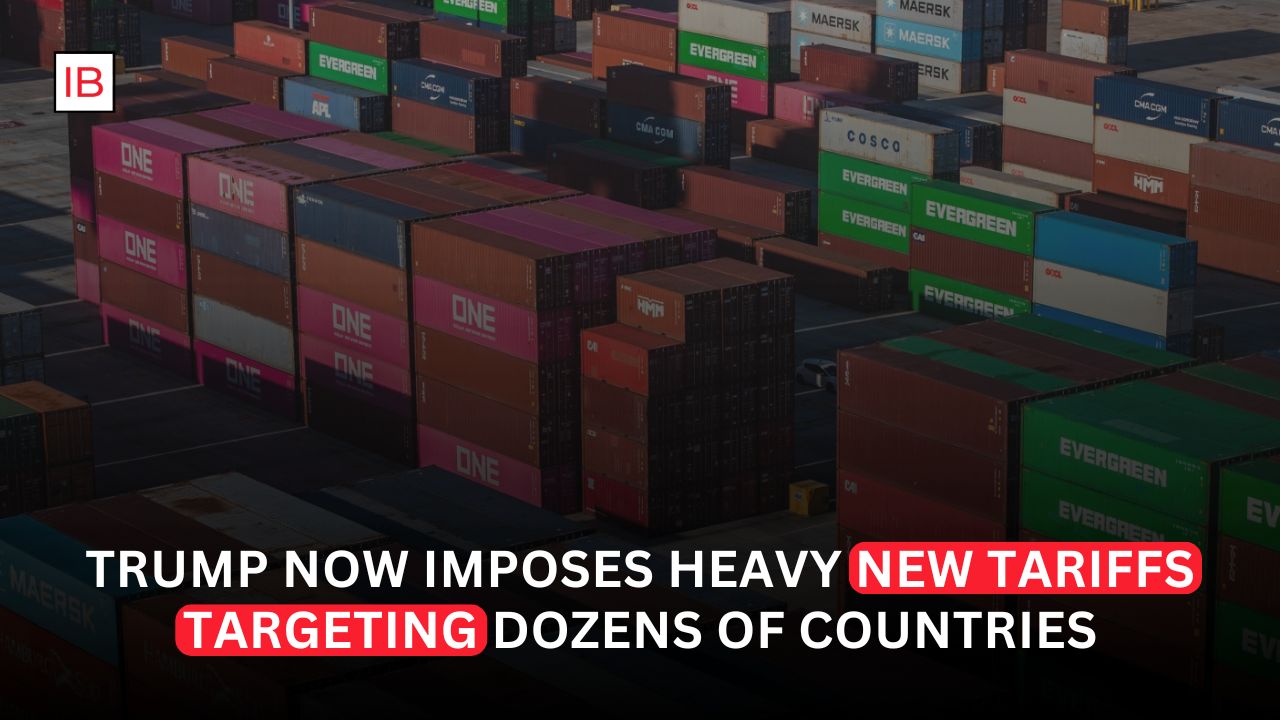
The Trump administration has announced a new round of tariffs on imports from 60 trading partners, introducing fresh duties under a different legal authority after the U.S. Supreme Court struck down its earlier global tariff framework. The new policy imposes tariff rates ranging from 10% to 12.5% and is designed to replace temporary import duties that recently expired.
Administration officials said the revised tariffs are intended to address concerns over forced labor in global supply chains while maintaining pressure on countries to strengthen labor enforcement and trade compliance. The White House argues that the updated approach preserves its broader trade agenda while relying on a stronger legal foundation.
New Tariffs Follow Court Setback
The latest measures come months after the Supreme Court ruled that the administration lacked authority to impose its previous sweeping tariffs under emergency powers. In response, the White House shifted to Section 301 of the Trade Act of 1974, a long-established trade law that allows the U.S. to respond to what it considers unfair trade practices. Officials believe the revised framework is less vulnerable to legal challenges while allowing tariffs to remain a central part of U.S. trade policy.
The new duties cover imports from 60 economies and apply to the vast majority of goods entering the United States. However, several products, including oil, natural gas, fertilizer, and selected food items, have been excluded to reduce potential disruptions to critical supply chains and limit pressure on essential industries.
Focus on Forced Labor and Trade Enforcement
According to the administration, the tariffs are intended to encourage trading partners to strengthen efforts against forced labor within global supply chains. Officials argue that countries failing to adequately prevent products linked to forced labor from entering international markets should face economic consequences through higher import duties.
The White House maintains that the policy is part of a broader strategy to promote fair competition, protect American manufacturers, and improve transparency in international trade. Administration officials have also indicated that additional trade actions could be introduced if trading partners fail to improve compliance with U.S. expectations.
Businesses Prepare for Economic Impact
The announcement has prompted businesses and importers to review sourcing strategies and assess how the new tariffs could affect operating costs. Companies that depend heavily on imported goods may face higher expenses, while manufacturers are evaluating whether supply chains need to be adjusted to reduce tariff exposure.
Economists have warned that although the policy aims to strengthen domestic manufacturing and trade enforcement, higher import duties could also contribute to increased prices for certain consumer products. Industry groups say businesses may continue facing uncertainty as companies adapt to evolving trade regulations and monitor potential legal challenges.
Global Trading Partners Respond
Several governments have criticized the new tariffs, arguing that the measures could increase trade tensions and disrupt international commerce. Some affected countries are expected to seek further discussions with Washington, while others may consider retaliatory measures if negotiations fail to resolve the dispute.
Trade analysts believe the revised tariff structure could reshape future negotiations between the United States and its major trading partners. Businesses and investors will also be watching closely to determine whether the policy leads to additional trade agreements or prolonged economic uncertainty.
Looking Ahead
The latest tariff package demonstrates that the Trump administration remains committed to using trade policy as a key economic tool despite recent legal setbacks. By introducing the measures under a different statutory authority, the White House aims to preserve its broader strategy while increasing pressure on trading partners to strengthen labor standards and trade enforcement.
As the new tariffs take effect, businesses, governments, and financial markets will closely monitor their impact on global supply chains, consumer prices, and future trade negotiations. The policy is expected to remain a major focus of international economic discussions in the months ahead.