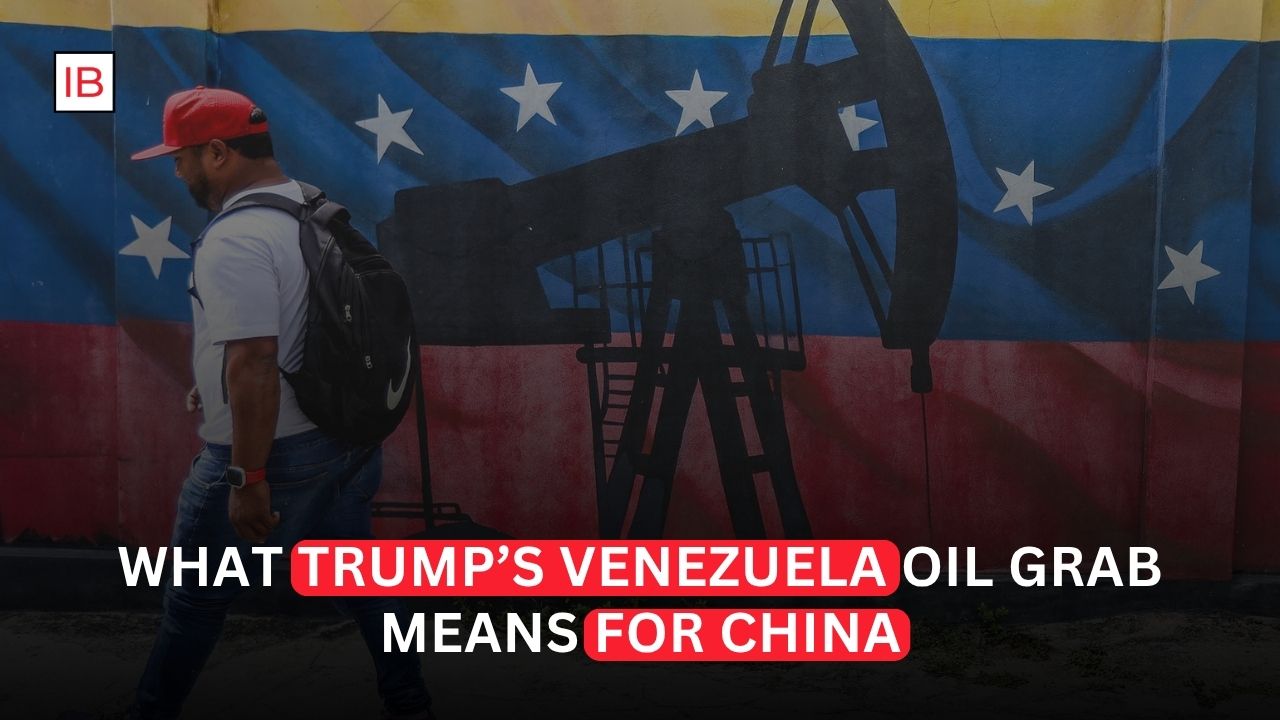
US Control of Venezuelan Oil Reserves Raises New Questions Over Beijing’s Investments and Billions in Outstanding Loans. President Donald Trump’s push to secure greater control over Venezuela’s oil industry is emerging as a new front in the growing geopolitical rivalry between Washington and Beijing.
The US has announced plans to gain control over more than 65 billion barrels of Venezuelan crude reserves, a move that could significantly reduce China’s access to one of its most important energy and investment partners in Latin America.
China Faces Threat to Oil-Backed Loans
For decades, China provided Venezuela with tens of billions of dollars in financing, much of it backed by future oil shipments.
Those arrangements made Venezuela one of Beijing’s most important economic partners in Latin America. However, China is still believed to be owed billions of dollars, and Washington’s expanding influence over Venezuelan oil production could make recovering those funds even more difficult.
The Trump administration’s new strategy could therefore affect more than future oil supplies. It could also reshape the financial arrangements that China relied upon to recover money previously lent to Caracas.
US Seeks to Push China Out
The White House has made clear that securing access to Venezuelan oil is part of a broader effort to reduce the influence of China and other foreign powers in the Western Hemisphere.
Under the newly announced arrangement, the United States is seeking greater influence over oil production, future investment decisions and the sale of Venezuelan crude. The deal includes significant control over reserves and gives Washington new leverage over where future oil production could be directed.
The strategy could limit opportunities for Chinese companies to expand their role in Venezuela’s energy industry and potentially weaken Beijing’s influence over the country’s economic future.
Venezuela Has Been Key Partner for Beijing
Venezuela has long played an important role in China’s global energy strategy.
Chinese lenders provided Caracas with substantial financing during years when Venezuela was one of the biggest recipients of Chinese investment in Latin America. In return, oil shipments became a key part of the relationship.
But Venezuela’s declining production, financial crisis and political instability have already made it increasingly difficult for China to recover its loans. Greater US influence over future oil output could add another obstacle.
Debt Restructuring Could Become Next Battleground
The next major issue could be Venezuela’s debt.
Washington is expected to face pressure over how Venezuela restructures its massive financial obligations, including money owed to Chinese lenders. Any new debt arrangement could determine whether China continues receiving oil or other payments from the country.
That could create another point of tension between the United States and China, particularly if Washington attempts to limit Beijing’s ability to secure favorable repayment terms.
China Could Lose Access to Strategic Oil Fields
Some of the Venezuelan oil assets now being targeted by US-backed interests are located in areas that have previously been important to Chinese companies and investors.
If American companies and US-aligned operators gain greater control over production, Beijing could lose access not only to future crude supplies but also to strategic investment opportunities that took years to develop.
Analysts say the shift could weaken China’s oil-for-loans model in Venezuela by changing who controls production, exports and the financial flows linked to oil sales.
Oil Deal Expands US-China Rivalry
The dispute over Venezuela comes as competition between Washington and Beijing increasingly extends beyond trade and technology.
Energy security, access to natural resources and influence in Latin America are becoming more important parts of the broader geopolitical competition between the world’s two largest economies.
For Trump, the Venezuela strategy represents an opportunity to strengthen US influence in the Western Hemisphere while securing greater access to major oil reserves.
For China, however, the shift could put billions of dollars in loans and years of investment at greater risk.
A New Test for China’s Influence
For now, it remains unclear how much Venezuela’s oil production can actually increase and how quickly new investments can transform the country’s struggling energy industry.
But the geopolitical consequences may be felt much sooner.
If Washington succeeds in expanding its influence over Venezuela’s oil reserves and future exports, China could find itself with reduced access to a strategic energy supplier and fewer options for recovering billions of dollars in outstanding debt.
Trump’s Venezuela oil strategy is therefore shaping up to be about far more than energy. It could become another major test of how far the United States is willing to go to challenge China’s economic influence closer to home.