Ankara Tightens Maritime Controls as Growing Attacks on Commercial Vessels Raise Concerns Over Shipping Safety, Energy Supplies, and Regional Trade.
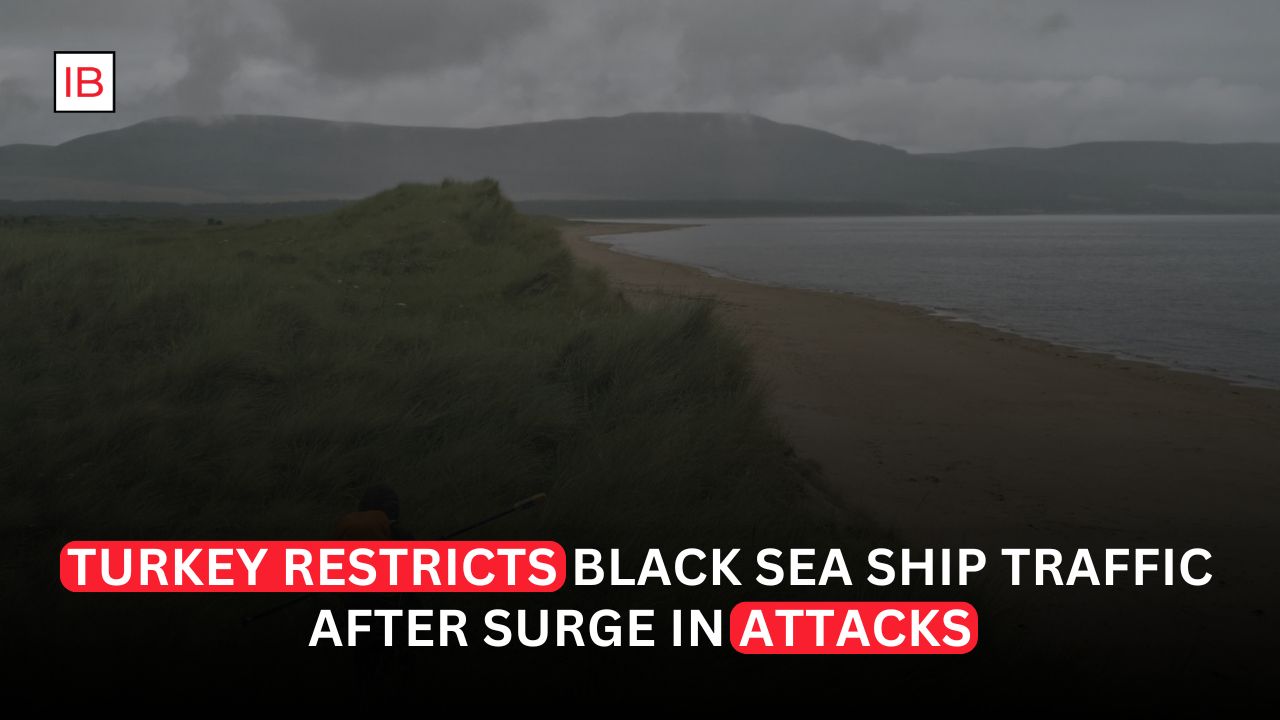
Turkey is restricting commercial ship traffic entering the Black Sea following a sharp increase in attacks on vessels in the region, according to people familiar with the matter. The move comes as Russia and Ukraine intensify attacks around key maritime routes, raising concerns over the safety of civilian shipping and the movement of vital commodities.
Turkish authorities have reportedly delayed or withheld transit permits for several vessels seeking to pass through the Dardanelles toward Russia’s Novorossiysk port, an important hub for oil and grain exports. Some applications are being held for additional review, effectively limiting the flow of commercial vessels into the Black Sea.
Growing Threat to Commercial Shipping
The decision follows a series of attacks involving commercial vessels operating in the Black Sea. Turkish-owned ships have also been affected, increasing pressure on Ankara to strengthen maritime security.
Earlier this week, Turkey’s Foreign Ministry said crew members, including Turkish citizens, were injured after drone attacks struck two Turkish-owned vessels. Ankara called on the parties involved in the conflict to take concrete measures to protect navigation and prevent further escalation.
The attacks have created a more difficult operating environment for shipping companies, which must now consider higher security risks, insurance costs, and possible delays when planning Black Sea routes.
Novorossiysk Becomes a Major Concern
Novorossiysk is one of the region’s most important export centers, handling significant volumes of Russian oil, grain, and other commodities. Restrictions on vessels traveling toward the port could therefore have consequences beyond Turkey’s maritime sector.
The Black Sea is a critical transportation route for global agricultural and energy markets. Russia is the world’s largest wheat exporter, while Ukraine remains a major supplier of agricultural commodities. Recent attacks on ships, ports, and export infrastructure have already disrupted some trade flows and increased shipping costs.
Further restrictions could add pressure to markets already dealing with disruptions in other major shipping corridors.
Turkey Faces a Difficult Balancing Act
Turkey occupies a strategically important position because commercial vessels traveling between the Mediterranean and Black Sea pass through the Turkish Straits. Ankara therefore has a direct interest in preventing the conflict from creating a broader threat to maritime commerce.
At the same time, Turkey has maintained diplomatic and economic relationships with both Russia and Ukraine. The latest restrictions highlight the difficulty of protecting Turkish commercial interests while avoiding deeper involvement in the conflict.
The government has not publicly provided a detailed explanation for the reported permit restrictions, and Turkish maritime authorities have referred questions to the Transport and Infrastructure Ministry.
Global Commodity Markets Face Additional Pressure
The Black Sea disruptions come at an especially sensitive time for global commodity markets. Recent attacks have already affected grain and oil shipments, while freight rates and war-risk insurance costs have increased for some routes.
Any prolonged reduction in shipping activity could raise transportation costs further and potentially affect prices of agricultural and energy commodities. Importers may also need to seek alternative routes, increasing delivery times and logistical expenses.
Outlook Remains Uncertain
Turkey’s decision demonstrates how quickly security risks can translate into restrictions on international trade. If attacks on commercial vessels continue, Ankara could face growing pressure to maintain or expand controls around maritime traffic.
For shipping companies and commodity traders, the immediate priority will be assessing whether the restrictions remain temporary or develop into a broader disruption of Black Sea commerce. The situation will also depend heavily on whether Russia and Ukraine reduce attacks affecting civilian vessels and port infrastructure.
For now, the growing security risks around the Black Sea are creating another challenge for global trade, with Turkey increasingly focused on protecting maritime traffic while attempting to prevent the conflict from causing wider economic damage.