Economists Expect Slower Consumer Price Growth, Though Underlying Inflation Remains Persistent
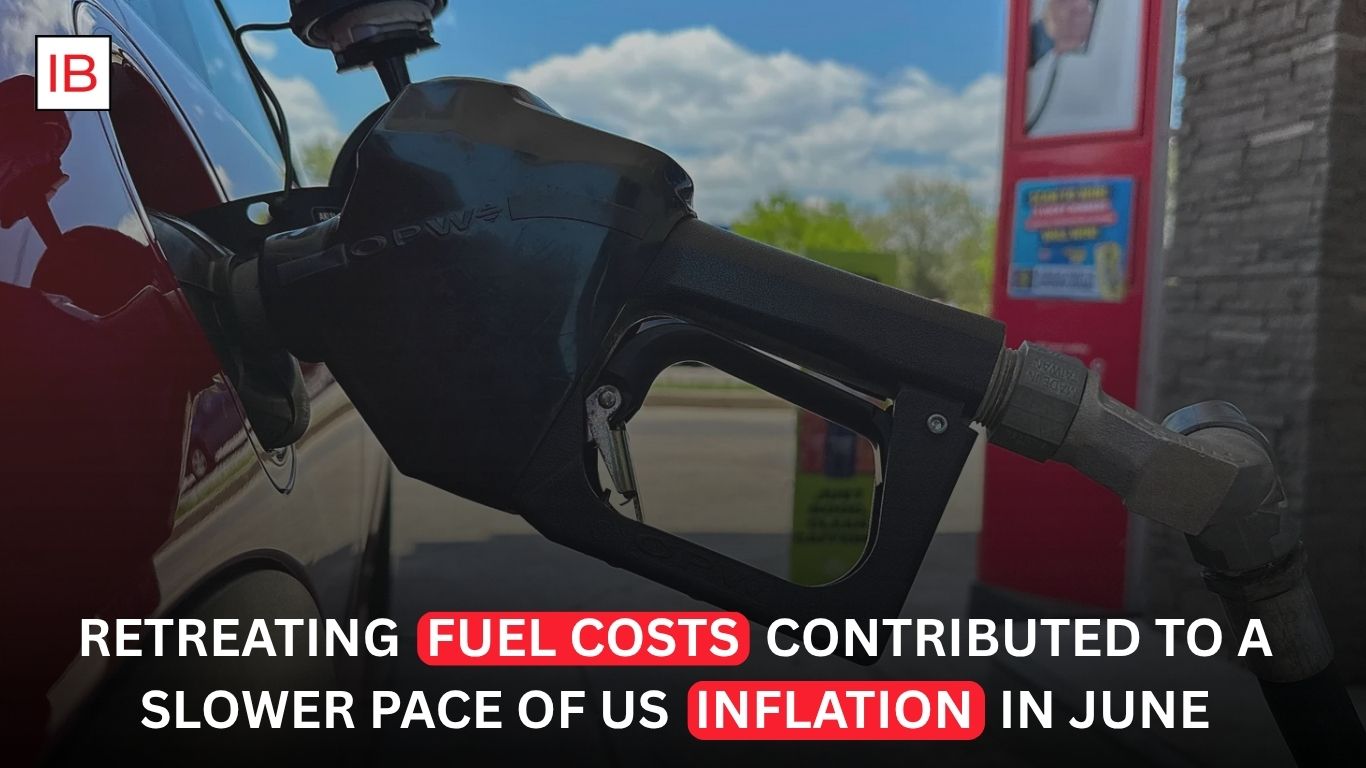
U.S. consumer inflation likely slowed in June, helped by a decline in gasoline prices, offering temporary relief to households after months of elevated price pressures. However, economists caution that underlying inflation remains resilient, suggesting the slowdown may not significantly alter the Federal Reserve’s policy outlook.
The latest Consumer Price Index (CPI) report is expected to show annual inflation easing to 3.8% in June from 4.2% in May. On a monthly basis, consumer prices are projected to have declined by 0.2%, largely due to falling fuel costs following a brief period of lower oil prices.
Lower Gasoline Prices Drive Inflation Slowdown
The biggest contributor to the expected moderation in inflation was the decline in gasoline prices during June.
Lower energy costs helped reduce overall consumer expenses in areas such as:
- Transportation
- Fuel
- Household energy
- Travel-related spending
- Daily commuting costs
However, analysts note that renewed geopolitical tensions in the Middle East have recently pushed oil prices higher again, which could reverse some of June’s progress in the months ahead.
Core Inflation Remains Sticky
While headline inflation is expected to ease, core inflation, which excludes food and energy prices, is forecast to remain relatively stable.
Economists expect core CPI to rise:
- 0.2% month-over-month
- 2.8% year-over-year
Persistent increases in housing, services, and food prices continue to keep underlying inflation above the Federal Reserve’s long-term target.
Federal Reserve Faces Difficult Policy Decisions
The inflation report is unlikely to eliminate concerns about future interest rate decisions.
Federal Reserve officials continue monitoring:
- Core inflation
- Wage growth
- Consumer spending
- Labor market conditions
- Energy prices
Although lower inflation would ease some pressure, policymakers are expected to remain cautious until broader price stability is achieved.
Food and Service Prices Continue Rising
Despite falling gasoline prices, several categories continue to place pressure on household budgets.
Areas experiencing higher costs include:
- Food
- Restaurant meals
- Housing
- Healthcare services
- Insurance
Economists believe these sectors could keep inflation elevated even if energy prices remain relatively stable.
Markets Await Official CPI Report
Investors across financial markets are closely watching the official inflation data for clues about the future direction of U.S. monetary policy.
Markets will focus on:
- Headline CPI
- Core CPI
- Federal Reserve outlook
- Bond yields
- Equity market reaction
The report could influence expectations for future interest rate decisions and broader market sentiment.
Temporary Relief May Not Last
While June’s lower gasoline prices helped ease inflation, analysts warn that the benefit could prove temporary.
Renewed tensions in global energy markets have already pushed crude oil prices higher, raising concerns that fuel costs could increase again in the coming months and add fresh inflationary pressure.
Looking Ahead
The expected slowdown in U.S. inflation during June offers encouraging signs that lower energy prices can provide relief to consumers. However, persistent core inflation and the recent rebound in oil prices suggest that the battle against inflation is far from over.
As investors await the official CPI report, attention will remain focused on whether the moderation in headline inflation is enough to influence the Federal Reserve’s next policy decisions or whether sticky underlying price pressures will keep interest rates higher for longer.