Officials Signal Strategic Oil Stockpile Will Be Preserved Despite Rising Geopolitical Risks
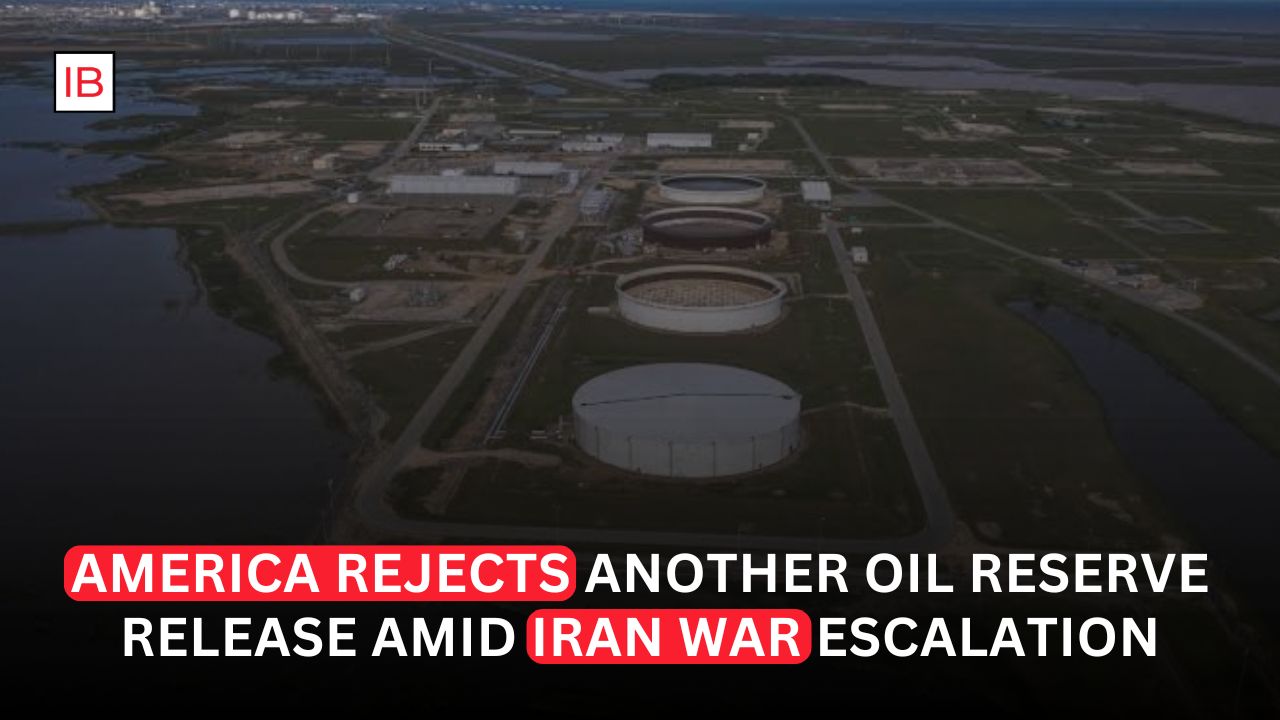
The United States is unlikely to release crude oil from its Strategic Petroleum Reserve (SPR) despite renewed geopolitical tensions and concerns over global energy supplies, as policymakers believe current market conditions do not justify tapping the emergency stockpile. The decision marks a shift from previous crises, when Washington used the reserve to stabilize markets and curb fuel prices. Instead, officials are signaling that the SPR should remain available for a more severe supply disruption rather than short-term price management.
The SPR, maintained by the U.S. Department of Energy, is the world’s largest government-owned emergency crude oil reserve. It was created after the 1973 oil embargo to provide a safeguard against major interruptions to global oil supplies. Following record releases in recent years, the reserve has already fallen significantly below historical levels, making officials more cautious about deploying it again unless absolutely necessary.
Reserve Intended for Severe Supply Emergencies
The Strategic Petroleum Reserve is designed primarily to respond to major disruptions in oil supply rather than temporary price increases.
Officials continue to monitor:
- Global crude oil production.
- Shipping disruptions.
- Energy infrastructure security.
- Fuel inventories.
- International supply chains.
While tensions in the Middle East remain elevated, policymakers believe current global production and commercial inventories are still sufficient to prevent a severe shortage.
Lessons From Previous Releases
The United States relied heavily on the SPR during earlier energy crises.
Recent releases included:
- A coordinated release following Russia’s invasion of Ukraine.
- The record 2022 drawdown aimed at easing gasoline prices.
- Smaller emergency releases after hurricanes and supply disruptions.
Those actions reduced the reserve to its lowest level in decades, prompting the government to begin gradually rebuilding inventories whenever market conditions allowed.
Oil Markets Adjusting Without Government Intervention
Although geopolitical tensions have increased uncertainty across energy markets, traders note that global supply has so far remained relatively stable.
Several factors have helped limit price spikes:
- Continued production from major oil exporters.
- Diversified global supply routes.
- Commercial inventories held by private companies.
- Flexible shipping and logistics networks.
Officials believe these factors reduce the immediate need for emergency government intervention.
Rebuilding the Reserve Remains a Priority
Rather than selling additional crude, the U.S. government continues emphasizing long-term replenishment of the reserve.
The Department of Energy has previously indicated it intends to:
- Rebuild inventories gradually.
- Purchase oil when prices are economically attractive.
- Preserve emergency response capacity.
- Strengthen long-term energy security.
Maintaining adequate emergency reserves has become increasingly important as geopolitical risks remain elevated across several energy-producing regions.
Markets Closely Watching Policy
Energy traders continue monitoring whether conditions deteriorate enough to justify a future release.
Potential triggers could include:
- Significant physical supply disruptions.
- Major damage to oil infrastructure.
- Sustained shortages affecting global markets.
- Severe spikes in fuel prices driven by unavailable supply rather than market speculation.
At present, policymakers appear to believe those thresholds have not yet been reached.
Looking Ahead
The U.S. decision to avoid using the Strategic Petroleum Reserve reflects a more conservative approach to managing emergency energy supplies. After drawing down the reserve substantially in recent years, officials are prioritizing long-term energy security over responding to temporary market volatility. While geopolitical tensions continue to create uncertainty for oil markets, current global supply conditions have allowed policymakers to preserve the reserve for a potentially larger emergency in the future.
Investors will continue watching developments in global energy markets, particularly any escalation that threatens physical crude oil supplies or critical shipping routes. If supply disruptions become more severe, the United States retains the option of deploying the Strategic Petroleum Reserve, but current policy suggests officials would prefer to keep that tool available only for the most significant energy crises.