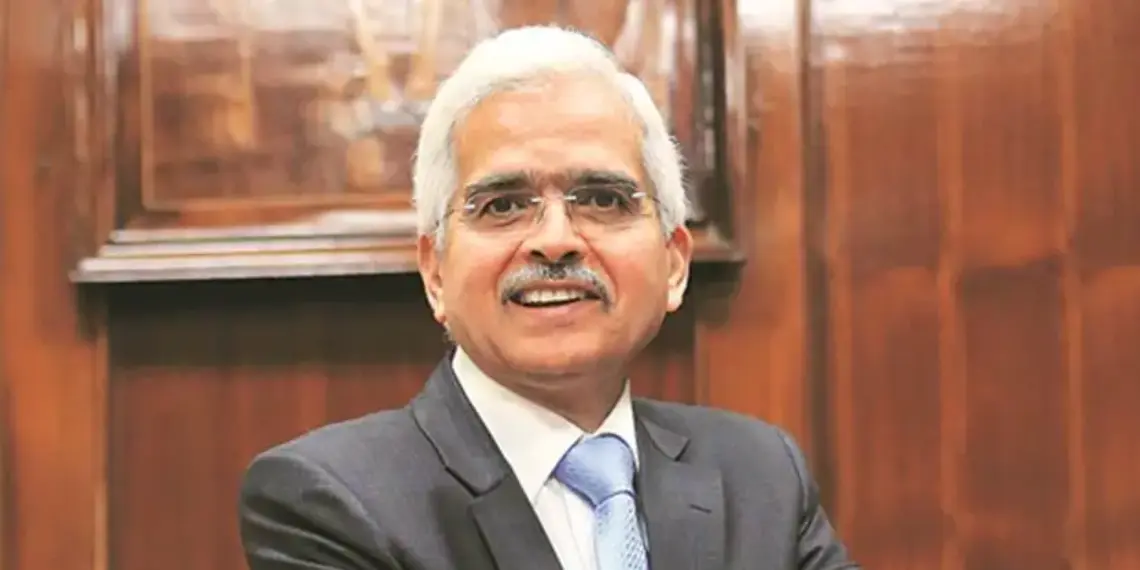
Have you ever wondered why the interest rates on your loans or savings suddenly change? This isn’t random; it’s carefully managed by the Reserve Bank of India (RBI). Recently, RBI Governor Shaktikanta Das stated that it’s too early to consider cutting interest rates. But why is that? Let’s dive into the details to understand this crucial economic decision.
Current Economic Scenario in India
India’s economy is currently navigating through a period of high inflation. The Reserve Bank of India (RBI) plays a pivotal role in steering the country’s economic policy, especially regarding interest rates, which directly impact everything from home loans to business investments.
Understanding Interest Rates
So, what exactly are interest rates? In simple terms, interest rates are the cost of borrowing money. They are crucial because they influence consumer spending, business investment, and overall economic growth. When rates are high, borrowing becomes expensive, reducing spending and investment. Conversely, low rates make borrowing cheaper, potentially boosting the economy.
Inflation in India
At present, India is grappling with inflation rates that exceed the central bank’s target. Inflation, the rate at which the general level of prices for goods and services rises, erodes purchasing power and can destabilize an economy if left unchecked. Currently, several factors contribute to high inflation, including supply chain disruptions, rising commodity prices, and increased consumer demand.
RBI’s Stance on Interest Rates
RBI Governor Shaktikanta Das has made it clear that discussing rate cuts is premature. The central bank’s cautious approach is driven by the need to control inflation before considering any reduction in interest rates. The RBI’s primary mandate is to ensure price stability, which means keeping inflation in check.
Historical Context
To understand the current stance, it’s helpful to look back at previous instances when the RBI decided to cut rates. In the past, rate cuts were implemented to stimulate economic activity, particularly during slowdowns. However, the outcomes were mixed, with some periods of economic recovery followed by inflation spikes.
Global Economic Factors
India’s economic decisions don’t happen in a vacuum. Global economic conditions, such as policies in the US and Europe, significantly influence the RBI’s actions. Many countries are currently grappling with inflation, leading to a cautious approach worldwide.
Impact of Rate Cuts on the Economy
Rate cuts can have varying effects. In the short term, they can boost economic activity by making borrowing cheaper. However, if implemented prematurely, they can lead to overheating the economy and escalating inflation. Certain sectors, like real estate and consumer goods, are particularly sensitive to interest rate changes.
Arguments for Rate Cuts
Proponents of rate cuts argue that lower rates can stimulate economic growth, especially during periods of economic slowdown. They believe that cheaper borrowing costs can spur investments and consumer spending, leading to job creation and higher economic output.
Arguments Against Rate Cuts
On the flip side, critics warn that premature rate cuts can fuel inflation, creating more economic problems. They argue that maintaining higher rates for now will help stabilize prices and ensure sustainable growth in the long run. The risk of overheating the economy is a significant concern.
Future Economic Predictions
Economic forecasts suggest that India might continue to face inflationary pressures in the near future. This means that the RBI is likely to maintain its current stance on interest rates until there are clear signs of inflation cooling down. Rate cuts might only be feasible once inflation is firmly under control.
Public and Market Reactions
Public and market reactions to the RBI’s decisions are mixed. While some investors welcome the stability provided by the current rates, others are anxious for rate cuts to stimulate growth. Overall, the RBI’s cautious approach is aimed at maintaining investor confidence and economic stability.
Strategies for Managing Inflation
To manage inflation, the RBI employs several strategies beyond interest rate adjustments. These include regulating money supply, monitoring fiscal policies, and ensuring adequate liquidity in the banking system. Such measures help control inflation without resorting to immediate rate cuts.
Role of Government Policies
Government policies play a critical role in supporting the RBI’s efforts. Initiatives aimed at boosting supply chains, reducing import costs, and improving infrastructure can help mitigate inflation. Coordination between the RBI and government policies is essential for maintaining economic stability.
Conclusion
In conclusion, while the idea of rate cuts might seem appealing, it’s crucial to understand the broader economic context. The RBI, under Governor Shaktikanta Das, is taking a cautious approach to ensure long-term stability. By focusing on controlling inflation, the RBI aims to create a sustainable economic environment that benefits everyone.
What is the role of the RBI in managing the economy?
The RBI manages the country’s monetary policy, regulates financial institutions, and ensures economic stability by controlling inflation and supporting growth.
Why is high inflation a concern for the RBI?
High inflation reduces purchasing power and can lead to economic instability. The RBI aims to keep inflation within a target range to ensure stable prices and sustainable growth.
How do interest rates affect everyday citizens?
Interest rates impact loan costs, savings returns, and overall economic activity. High rates can lead to higher loan repayments, while low rates can reduce savings returns but make borrowing cheaper.
What are the potential consequences of premature rate cuts?
Premature rate cuts can lead to increased inflation, overheating the economy, and creating long-term economic instability.
When might we expect the next rate cut from the RBI?
The RBI is likely to consider rate cuts once inflation is under control and there are clear signs of sustainable economic growth.