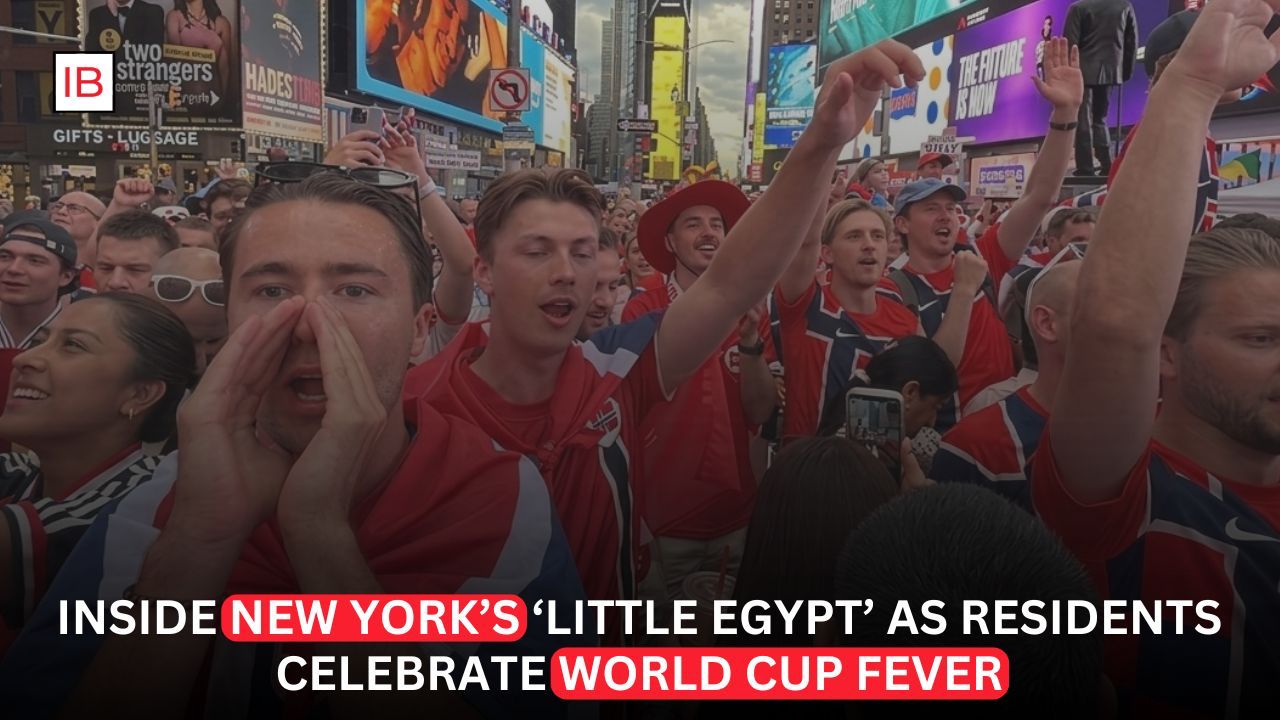
Egyptian diaspora in Queens celebrates football, food, and identity during the global tournament.
The FIFA World Cup has turned parts of New York City into cultural gathering points for football fans, with the Egyptian community in Astoria, Queens emerging as one of the most vibrant hubs of celebration. In the area often referred to as “Little Egypt,” cafes, restaurants, and streets have filled with fans watching matches, sharing food, and celebrating national pride.
At the center of this atmosphere is Kabab Cafe, a well-known Egyptian restaurant where football screenings bring together locals and visitors during major matches. Owner Ali El Sayed has helped turn the venue into a cultural anchor, blending traditional Egyptian cuisine with live sports viewing that mirrors the excitement back home.
A Cultural Hub Beyond Football
Astoria’s Steinway Street has long been home to a large Arab and Egyptian community, but the World Cup has amplified its role as a symbolic gathering space. Cafes and bakeries line the street, with flags, music, and crowds turning everyday spaces into shared viewing zones.
Residents say the tournament has transformed the neighborhood into a “mini Cairo,” where football is not just entertainment but a link to identity, memory, and belonging.
Diaspora Identity Through Sport
For many Egyptian-Americans, the matches are about more than results. They represent connection to heritage and a way to maintain cultural ties across generations.
Supporters gather in groups, often watching matches together regardless of club loyalties, united by national pride. The atmosphere blends Arabic chants, street food, and emotional reactions to key moments in games featuring Egypt.
New York’s Role in the Global Tournament
The broader city has also become a stage for international fan culture during the World Cup. From Manhattan to Queens, neighborhoods are hosting informal fan zones in bars, restaurants, and public spaces.
Local organizers and business owners say the event has boosted foot traffic and strengthened cultural visibility for immigrant communities, particularly across Queens’ diverse ethnic neighborhoods.
Football as a Bridge
In Astoria, the World Cup has reinforced football’s role as a global connector. While matches unfold thousands of miles away, the emotional intensity is felt locally through packed restaurants, shared screens, and spontaneous street celebrations.
For many in “Little Egypt,” the tournament is not only about supporting a team — it is about preserving identity, community, and a sense of home in a city defined by diversity.