Xiaomi’s second-quarter results show how severely the global memory-chip shortage is reshaping the smartphone industry. The Chinese technology giant reported a sharp decline in profit as soaring component costs and weaker handset demand squeezed its largest business, creating a tougher environment even as the company continues expanding into electric vehicles and artificial intelligence.
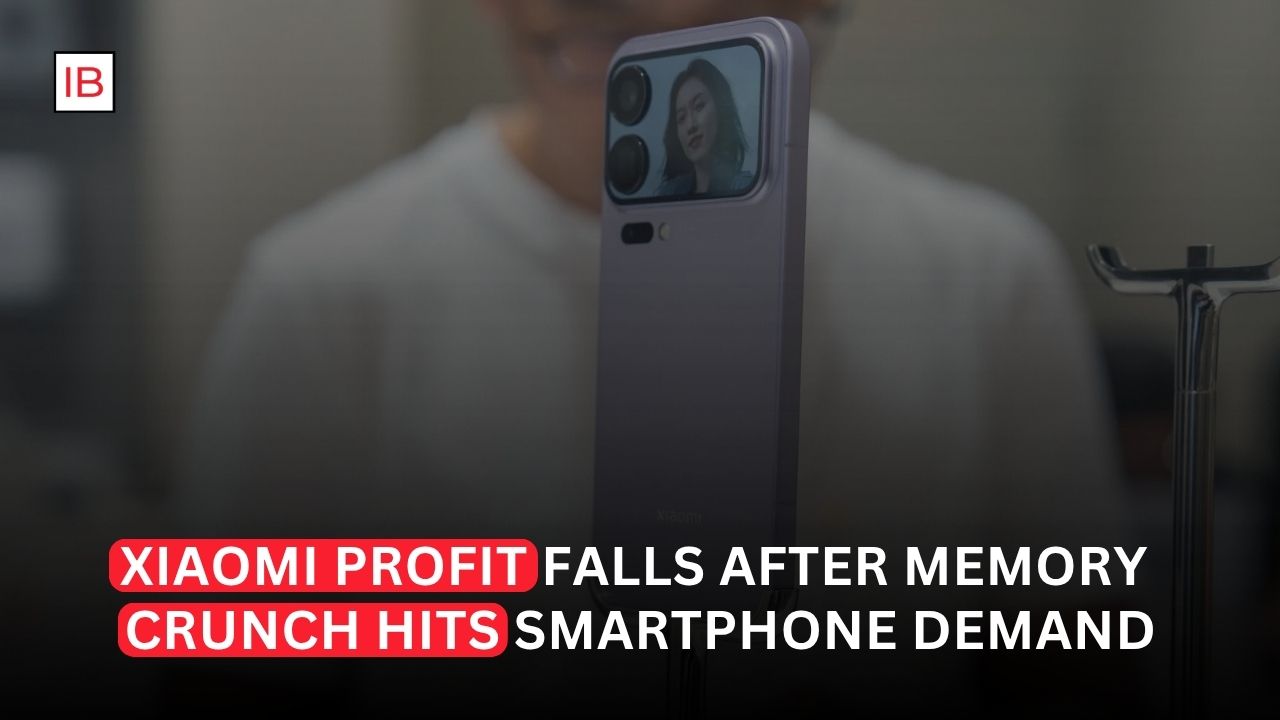
Xiaomi’s adjusted net profit fell 42.6% in the second quarter to about 6.2 billion yuan, or roughly $920 million. The result was below analysts’ expectations of around 6.6 billion yuan. Revenue also missed forecasts, coming in at approximately 108.9 billion yuan compared with an expected 112.2 billion yuan.
The results underline the pressure created by rapidly rising memory prices. Smartphone manufacturers depend heavily on DRAM and NAND memory for devices, and the cost of those components has increased dramatically as semiconductor manufacturers prioritize higher-margin products used in artificial intelligence and data-center infrastructure.
The consequences are being felt across the smartphone industry. Global smartphone shipments fell sharply in the second quarter, with Counterpoint Research estimating an 11% year-on-year decline to the lowest level for a second quarter since 2013. Omdia also reported a substantial decline and identified memory-cost inflation as a major factor behind the deterioration.
Xiaomi has been particularly exposed because of its strong position in affordable and mid-range smartphones. Consumers in these segments are more sensitive to price increases, meaning manufacturers have less room to pass higher component costs on to customers without damaging demand.
That creates a difficult choice for Xiaomi. Raising prices can protect margins but risks discouraging consumers. Keeping prices low can support sales volumes but leaves the company absorbing more of the increase in component costs.
The company has already warned that higher memory costs could force the smartphone industry into a new pricing environment. That warning is becoming increasingly relevant as manufacturers struggle to maintain affordable devices while semiconductor costs remain elevated.
Xiaomi’s smartphone business is therefore facing pressure from both sides. Component costs are increasing while customers are becoming more cautious about replacing devices. The result is a squeeze on profitability that is difficult to resolve through traditional cost-cutting measures.
The broader smartphone market is also changing. Consumers have become accustomed to keeping devices for longer periods, particularly when newer models offer incremental rather than revolutionary improvements. Higher prices could strengthen that trend, encouraging customers to delay upgrades and further reducing shipment volumes.
For Xiaomi, the problem is compounded by intense competition. Chinese smartphone manufacturers are competing aggressively on price, specifications and premium features, while Samsung and Apple have stronger positions in the higher-end market. The current memory shortage is therefore not affecting every manufacturer equally.
Research from Omdia showed that Xiaomi’s global smartphone shipments fell 26% year over year in the second quarter to around 31.2 million units. The company remained the world’s third-largest smartphone vendor, but its decline was considerably larger than that of some rivals.
The market polarization is important. Premium smartphone customers tend to be less sensitive to price increases, while buyers of lower-priced devices have fewer options when manufacturers raise prices. Xiaomi’s historical strength in affordable smartphones therefore becomes a vulnerability when memory costs rise sharply.
The company is attempting to reduce that dependence by expanding into higher-value businesses. Electric vehicles have become a major part of Xiaomi’s strategy, while artificial intelligence, connected devices and smart-home products are also being developed as additional growth engines.
The automotive business has generated considerable attention, but it also requires heavy investment. Building a successful electric-vehicle operation involves substantial spending on factories, technology, research, distribution and after-sales infrastructure. That means Xiaomi cannot immediately rely on its automotive business to offset weaker smartphone profitability.
AI represents another potential opportunity. Xiaomi has been integrating artificial intelligence into its devices and broader ecosystem while investing in its own AI capabilities. However, the company faces intense competition from other Chinese technology groups, and monetizing AI services at scale remains difficult.
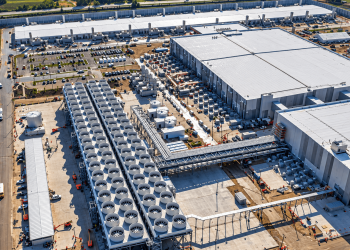
The memory shortage itself is partly connected to the AI boom. Demand for high-bandwidth memory and other advanced semiconductor products has surged as technology companies build enormous AI data centers. Semiconductor manufacturers have redirected capacity toward these higher-value products, contributing to tighter supply for consumer electronics.
That creates an unusual situation for Xiaomi and other smartphone manufacturers: the same AI boom that could eventually create new opportunities for consumer technology companies is currently making some of their hardware more expensive to produce.
The impact is likely to extend beyond Xiaomi. Smartphone brands may increase retail prices, reduce specifications, change product portfolios or focus more heavily on premium devices where customers are better able to absorb higher costs. Lower-priced phones could become increasingly difficult to produce profitably.
This could ultimately accelerate consolidation in the smartphone market. Companies with greater purchasing power, stronger supplier relationships and higher-margin product lines may be better positioned to withstand the shortage. Smaller manufacturers could struggle to compete if they cannot secure sufficient memory supplies at reasonable prices.
For Xiaomi, maintaining its market position while protecting profitability will be the central challenge. The company has demonstrated an ability to expand beyond smartphones, but its handset business remains a crucial part of its ecosystem and provides the enormous user base that supports many of its other products and services.
The latest results also raise questions about how much of the memory-cost pressure can be passed on to consumers. If Xiaomi increases prices significantly, it could protect margins but risk losing market share. If it absorbs the increases, profit could remain under pressure even if sales stabilize.
Investors will therefore be watching several indicators in the coming quarters: memory prices, smartphone shipment trends, Xiaomi’s gross margins and the performance of its electric-vehicle and AI businesses.
The immediate outlook remains challenging. The global smartphone market has already entered a period of declining shipments, while memory costs remain elevated. There is little evidence that the underlying supply pressure will disappear quickly.
Yet the downturn could also force Xiaomi to accelerate its transition toward higher-margin businesses. The company’s long-term strategy is increasingly based on becoming a broader technology and consumer-electronics ecosystem rather than relying exclusively on smartphones.
Whether that transition succeeds will determine how well Xiaomi can withstand the current memory crisis. For now, however, the latest results make clear that the smartphone business remains highly vulnerable to rising component costs and weaker consumer demand.
The memory shortage has turned what was once a volume-driven smartphone market into a much more difficult profitability battle. Xiaomi’s falling profit is one of the clearest signs yet that the industry’s next phase will be defined not simply by how many phones companies can sell, but by how effectively they can manage costs, pricing and product mix.