Introduction
The United States’ economic strategy in the Indo-Pacific region is characterized by a diversified approach that extends far beyond its interactions with China. This region, which includes some of the world’s fastest-growing economies, is crucial for global trade and economic stability. By fostering robust economic partnerships with a variety of nations, the US aims to enhance its influence and ensure a balanced and sustainable economic presence in the region.
Historical Context
Evolution of US Economic Interests in the Indo-Pacific
The US has long been engaged in the Indo-Pacific region, with economic interests dating back to the 19th century. Initially focused on trade and naval presence, these interests have evolved significantly over the decades. Key historical events, such as World War II and the Cold War, have shaped the US’s strategic and economic policies in the region, leading to a complex web of alliances and partnerships.
Key Historical Events Shaping Current Policies
Post-World War II, the US established strong economic and military ties with Japan and South Korea, which remain pivotal today. The end of the Cold War and the rise of China as an economic powerhouse further influenced US policies, emphasizing the need for a multifaceted approach to its Indo-Pacific strategy.
Key Economic Partners
Japan
Japan stands as one of the United States’ most crucial economic partners in the Indo-Pacific. The two nations have developed a deep economic relationship based on mutual interests in trade, technology, and defense.
South Korea
South Korea, with its advanced technology sector, is another significant partner. Bilateral trade agreements and collaborations in innovation and defense technologies are central to their relationship.
India
India’s emergence as a global economic force has led to growing ties with the US. The two countries collaborate on various fronts, including trade, defense, and technology, making India a key player in the US’s Indo-Pacific strategy.
ASEAN Countries
The Association of Southeast Asian Nations (ASEAN) represents a diverse economic block. Countries like Singapore, Vietnam, and Indonesia are vital for US economic interests due to their strategic locations and burgeoning economies.
Strategic Economic Initiatives
Free Trade Agreements (FTAs)
The US has pursued several FTAs in the region to enhance trade and investment flows. These agreements help reduce tariffs, improve market access, and strengthen economic ties.
Regional Comprehensive Economic Partnership (RCEP)
Although the US is not a member of the RCEP, it recognizes its significance and aims to engage with member countries to ensure its economic interests are represented.
Indo-Pacific Economic Framework (IPEF)
The IPEF is a recent initiative aimed at strengthening economic cooperation and ensuring free and fair trade practices in the region. This framework addresses various issues, including digital trade, supply chain resilience, and clean energy.
Sectoral Focus
Technology and Innovation
The US is keen on collaborating with Indo-Pacific countries in technology and innovation, fostering advancements in areas like AI, cybersecurity, and biotechnology.
Energy and Infrastructure
Investments in energy and infrastructure are crucial for regional stability and growth. The US supports various projects to enhance energy security and develop modern infrastructure.
Trade and Investment
Promoting free and fair trade, the US encourages investments that drive economic growth and create job opportunities both domestically and within the Indo-Pacific region.
Japan: A Cornerstone Partner
Economic Ties and Collaborations
Japan’s economic relationship with the US is one of mutual benefit, encompassing trade, technology exchange, and defense cooperation. Joint ventures and research collaborations highlight the strength of their partnership.
Strategic Importance in the Region
Japan’s strategic location and economic clout make it a cornerstone of US policy in the Indo-Pacific, providing a counterbalance to China’s influence.
South Korea: A Tech Powerhouse
Bilateral Trade Agreements
South Korea and the US have several bilateral trade agreements that facilitate the flow of goods and services, bolstering their economic ties.
Collaborations in Technology and Defense
South Korea’s prowess in technology and its strategic defense collaborations with the US enhance both nations’ security and economic interests.
India: Emerging Giant
Growing Economic Relationship
The US-India economic relationship is expanding, driven by shared democratic values and mutual interests in trade, technology, and defense.
Key Areas of Cooperation
Key areas of cooperation include information technology, pharmaceuticals, and renewable energy, sectors where both countries can leverage their strengths for mutual benefit.
ASEAN: A Diverse Economic Block
Overview of ASEAN’s Economic Significance
ASEAN’s economic significance lies in its collective GDP and strategic trade routes. The US engages with ASEAN to promote regional stability and economic growth.
US-ASEAN Economic Initiatives
Initiatives such as the US-ASEAN Trade and Investment Framework Agreement (TIFA) facilitate dialogue and cooperation on trade and investment issues.
Reducing Dependency on China
Diversification Strategies
The US is actively pursuing diversification strategies to reduce economic dependency on China. This involves strengthening ties with other Indo-Pacific nations and encouraging supply chain resilience.
Impact on Global Supply Chains
Diversifying economic partnerships helps mitigate risks associated with over-reliance on a single country, promoting a more stable and resilient global supply chain.
Challenges and Opportunities
Geopolitical Tensions
Geopolitical tensions, such as those between China and other regional powers, pose challenges to US economic strategies. Navigating these tensions requires diplomatic finesse and strategic alliances.
Opportunities for Economic Growth
Despite challenges, the Indo-Pacific region offers vast opportunities for economic growth. Emerging markets and technological advancements present new avenues for collaboration and investment.
US Policy and Economic Diplomacy
Role of US Government in Fostering Economic Ties
The US government plays a crucial role in fostering economic ties through diplomatic engagements, trade missions, and policy initiatives aimed at strengthening regional partnerships.
Key Diplomatic Efforts and Engagements
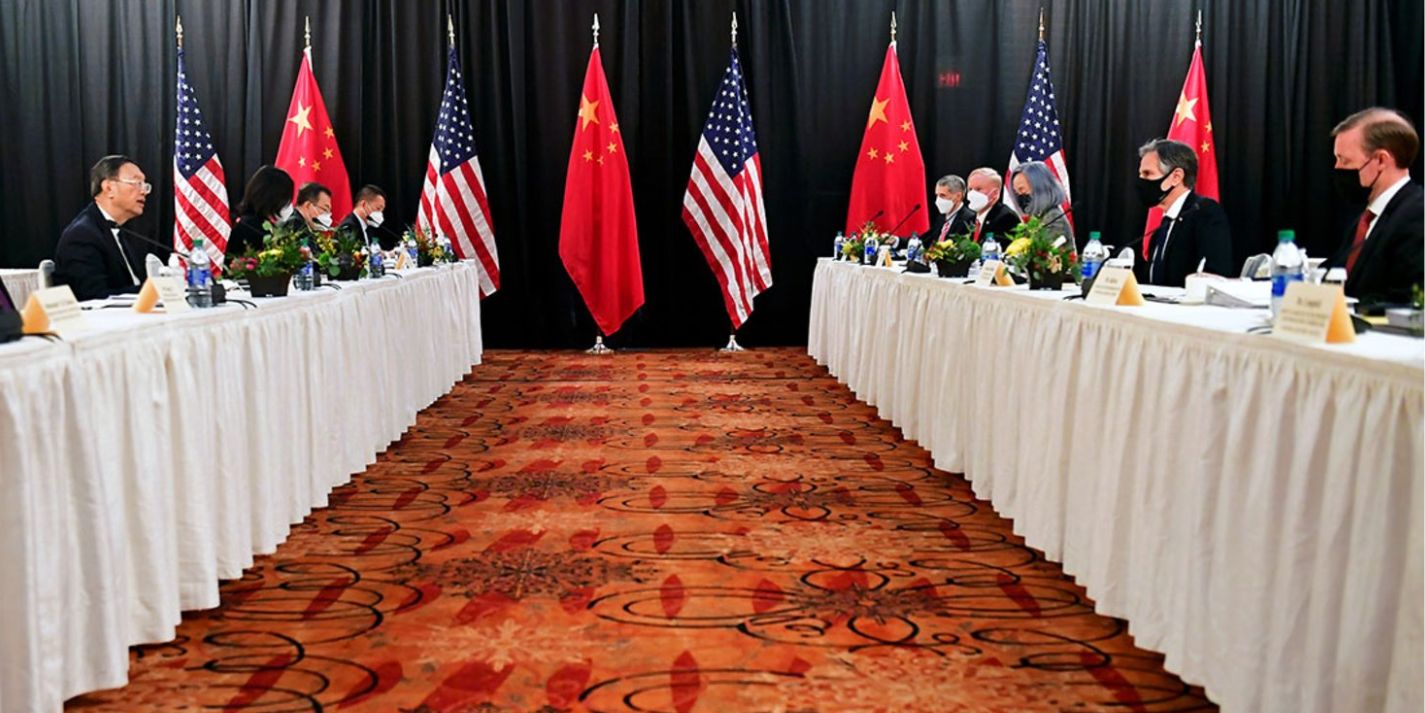
Key diplomatic efforts include high-level meetings, strategic dialogues, and participation in regional forums that promote economic cooperation and address shared challenges.
Impact on the Global Economy
How US Involvement Shapes the Global Economic Landscape
US involvement in the Indo-Pacific region significantly shapes the global economic landscape by promoting free trade, fostering innovation, and ensuring regional stability.
Long-term Implications for International Trade
The long-term implications for international trade include more diversified supply chains, increased economic resilience, and strengthened partnerships that contribute to global economic stability.
Future Prospects
Potential for Future Collaborations
Future collaborations may focus on emerging technologies, climate change mitigation, and infrastructure development, offering new opportunities for economic engagement.
Emerging Markets and Sectors
Emerging markets in Southeast Asia and South Asia, along with sectors such as renewable energy and digital economy, present promising areas for future US economic involvement.
What are the main economic partners of the US in the Indo-Pacific?
The main economic partners of the US in the Indo-Pacific include Japan, South Korea, India, and the ASEAN countries.
How does the US reduce its economic dependency on China?
The US reduces its economic dependency on China by diversifying its economic partnerships, investing in supply chain resilience, and fostering collaborations with other Indo-Pacific nations.
What sectors are the focus of US economic involvement in the Indo-Pacific?
The US focuses on sectors such as technology and innovation, energy and infrastructure, and trade and investment in the Indo-Pacific.
What is the Indo-Pacific Economic Framework?
The Indo-Pacific Economic Framework (IPEF) is an initiative aimed at strengthening economic cooperation and ensuring free and fair trade practices in the Indo-Pacific region.
How does US economic involvement impact the global economy?
US economic involvement in the Indo-Pacific shapes the global economic landscape by promoting free trade, fostering innovation, and ensuring regional stability, which in turn contributes to global economic stability and growth.