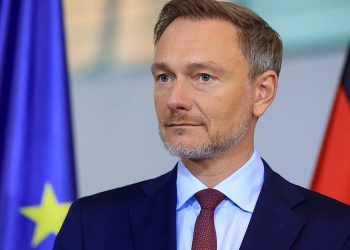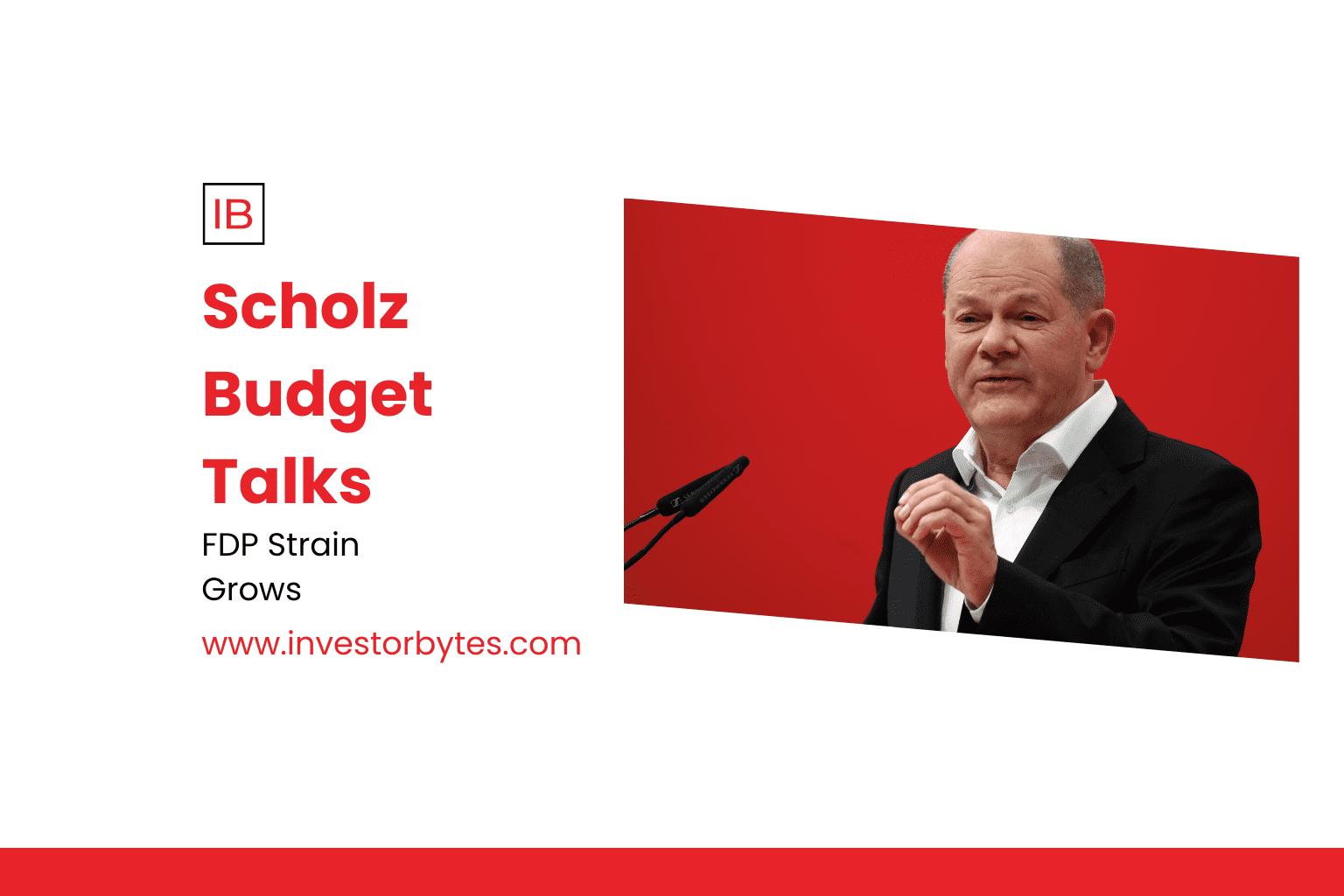
German Chancellor Olaf Scholz and his governing coalition have been engaged in protracted and difficult budget talks to address a deep fiscal crisis. This crisis was triggered by a landmark court ruling that blocked the government’s plan to repurpose approximately €60 billion in unused pandemic funds for the Climate and Transformation Fund (CTF), creating a massive budget shortfall.
The talks focus on how to bridge this gap while adhering to Germany’s constitutionally enshrined “debt brake,” which severely limits new government borrowing. The coalition—composed of the SPD, the Greens, and the FDP—has been struggling to reconcile essential spending for climate investments, industrial decarbonization, and continued aid to Ukraine with the strict fiscal limits. While the government has agreed to a budget framework that adheres to the debt brake, the process required sharp spending cuts and a fundamental restructuring of how long-term transformation projects are funded, leading to ongoing political uncertainty and fears of an economic slowdown.