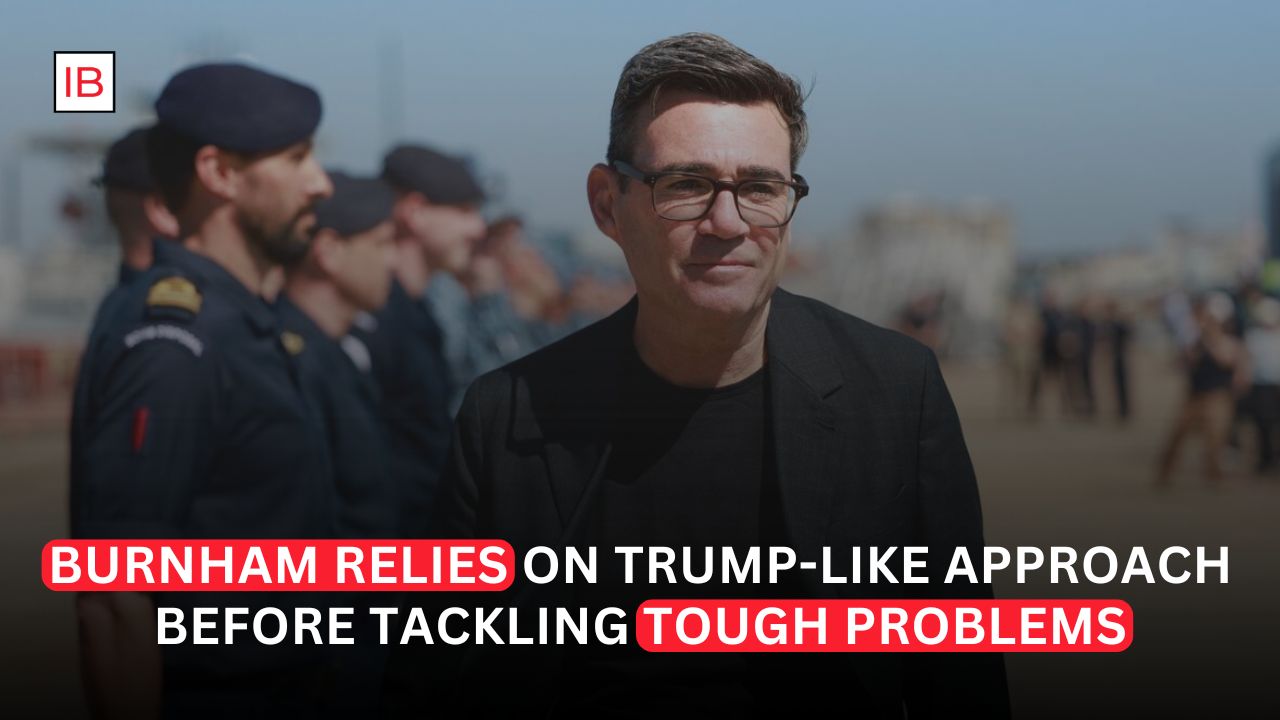
Australia’s Opposition Leader Uses High-Profile Campaign Strategy While Delaying Difficult Economic Decisions
Australian opposition leader Angus Taylor Burnham is increasingly embracing a campaign style that mirrors the attention-grabbing political approach associated with U.S. President Donald Trump, betting that strong public messaging and voter engagement can create enough political momentum to tackle more difficult structural reforms later. Supporters argue the strategy is designed to rebuild public confidence first, while critics question whether postponing complex policy decisions risks making long-term economic challenges harder to solve.
Political observers say Burnham’s approach reflects a broader trend among leaders seeking to simplify economic messaging during periods of uncertainty. Rather than leading with detailed reform plans, the strategy emphasizes direct communication, high-profile public appearances, and clear political themes intended to strengthen electoral support before pursuing more controversial fiscal and economic measures.
Focus on Winning Public Support First
Burnham’s political strategy centers on building a stronger connection with voters before introducing policies that could involve difficult trade-offs.
Key priorities include:
- Simplifying economic messaging.
- Increasing public engagement.
- Highlighting cost-of-living concerns.
- Emphasizing national competitiveness.
- Positioning long-term reforms as future priorities.
Supporters argue that governments often struggle to implement major reforms without first securing a strong political mandate.
Structural Challenges Still Loom
While political messaging has become more prominent, Australia continues facing several long-term economic issues that many economists say will eventually require substantial policy action.
These include:
- Slowing productivity growth.
- Budget pressures.
- Infrastructure investment needs.
- Housing affordability.
- Energy transition costs.
Analysts note that delaying decisions on these issues may provide short-term political flexibility but could increase future policy challenges.
Divided Opinions
Political commentators remain divided over Burnham’s approach.
Supporters believe:
- Strong communication builds voter trust.
- Electoral success is necessary before reforms.
- Clear messaging improves policy acceptance.
Critics argue:
- Difficult reforms cannot be postponed indefinitely.
- Political theatre should not replace detailed policy.
- Economic problems may worsen if action is delayed.
Global Political Trend
Burnham’s strategy reflects a broader international pattern in which political leaders increasingly rely on direct communication and highly visible campaigning to shape public opinion.
Across several democracies, governments have placed greater emphasis on:
- Simple public narratives.
- Frequent media appearances.
- Personal leadership branding.
- Rapid responses to public concerns.
This style often seeks to build political capital before introducing more challenging legislative or economic reforms.
Economic Confidence Remains Important
Business leaders continue emphasizing that long-term investment depends on predictable economic policy.
Investors are closely watching for:
- Fiscal discipline.
- Tax policy.
- Regulatory certainty.
- Infrastructure planning.
- Productivity reforms.
Markets generally welcome political stability but also seek clarity on how governments intend to address structural economic issues.
Looking Ahead
Burnham’s political strategy reflects the delicate balance between electoral politics and economic policymaking. By prioritizing voter engagement and accessible messaging, he appears to be betting that building broad public support today will create the political space needed to implement more difficult reforms in the future. Whether that strategy succeeds will depend not only on electoral outcomes but also on how quickly policymakers eventually confront Australia’s long-term fiscal and economic challenges.
As Australia continues navigating slower global growth, productivity concerns, and rising public spending pressures, the debate over timing has become increasingly important. Supporters see Burnham’s approach as pragmatic political sequencing, while critics argue that structural reforms become more difficult—and more costly—the longer they are delayed.