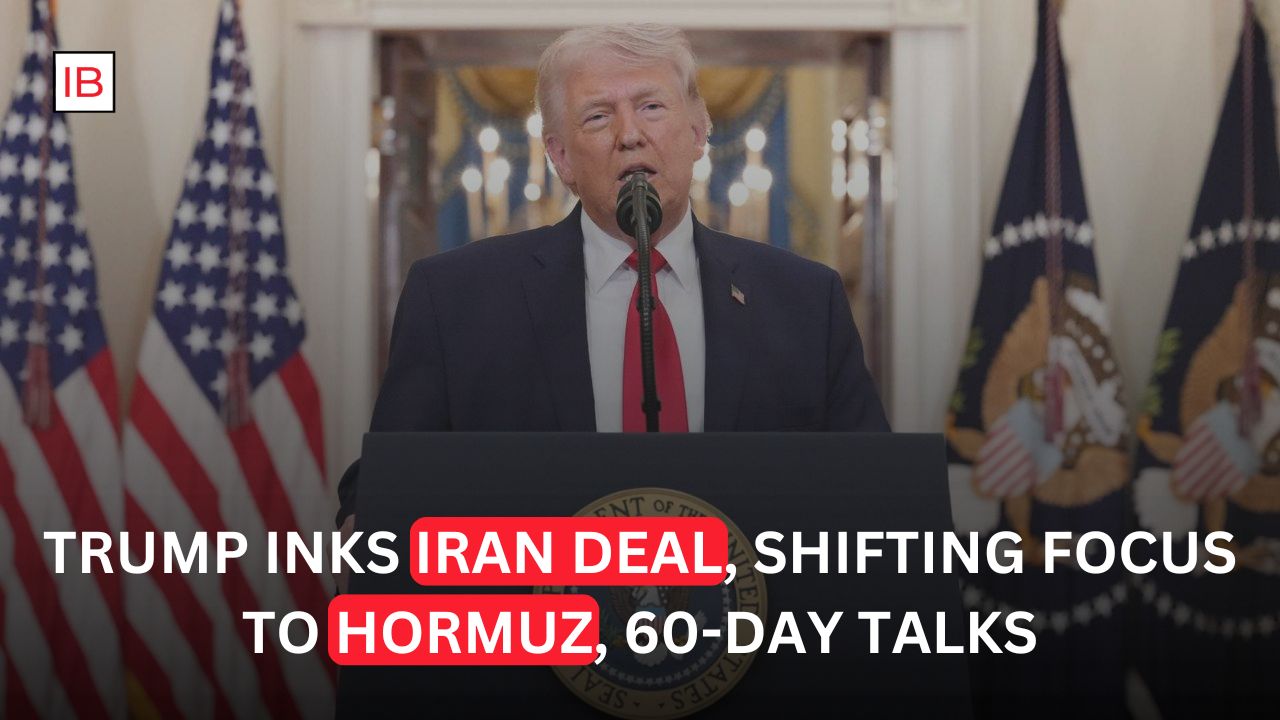
White House Says Agreement Prioritizes Stability and Diplomacy. The United States is defending its interim agreement with Iran, arguing that the deal represents the best path toward ending the conflict and restoring stability, even as critics question whether it postpones some of Washington’s original wartime goals. The agreement is expected to be formally signed in Switzerland later this week and will serve as a framework for broader negotiations over the next 60 days.
The White House has presented the deal as a diplomatic success that could reduce tensions across the Middle East, reopen critical energy trade routes and create conditions for future talks on Iran’s nuclear programme. However, some analysts argue that several of the most difficult issues have been deferred rather than resolved.
Ceasefire and Energy Security Take Priority
Under the proposed framework, both sides would extend the existing ceasefire while working toward a permanent agreement. A key objective is the restoration of normal shipping through the Strait of Hormuz, one of the world’s most important energy corridors.
US officials say reopening the waterway and reducing the risk of further military escalation are immediate priorities. The agreement is also expected to ease pressure on global energy markets that have been affected by months of disruption and uncertainty.
Iran Set to Receive Economic Relief
As part of the arrangement, Iran is expected to gain access to significant economic incentives. These include the ability to resume oil exports, sanctions waivers for related services and participation in a large reconstruction and development initiative intended to support economic recovery after the conflict.
US officials have emphasized that long-term economic benefits will depend on Iran complying with the conditions of the agreement. Future sanctions relief is expected to remain linked to progress on nuclear issues, regional security commitments and freedom of navigation through the Strait of Hormuz.
Nuclear Issues Remain for Future Negotiations
One of the main criticisms of the agreement is that it does not immediately resolve concerns surrounding Iran’s nuclear programme. Instead, the framework establishes a timeline for negotiations aimed at reaching a more comprehensive settlement within the next two months.
Supporters of the deal argue that securing a ceasefire and preventing further escalation must come before addressing more complex issues. Critics counter that postponing those discussions could weaken Washington’s negotiating position in the future.
Political Debate Intensifies
The agreement is generating debate both inside the United States and among regional allies. Some lawmakers and security experts have questioned whether the economic concessions offered to Tehran are too generous, while others view the deal as a necessary step to prevent renewed conflict.
The administration maintains that the agreement provides a structured path toward a broader settlement while protecting global economic interests. Officials have also stressed that military options remain available if Iran fails to honor its commitments.
Next 60 Days Will Be Critical
The success of the agreement will largely depend on what happens after the signing ceremony. Negotiators will have 60 days to address unresolved issues, including Iran’s nuclear activities, sanctions policy and long-term security arrangements.
For now, the deal represents the strongest sign yet that both Washington and Tehran are seeking to move away from direct confrontation. Whether it ultimately delivers lasting peace or simply delays deeper disputes will become clearer as negotiations continue in the weeks ahead.