Rising Borrowing Costs Reflect Growing Concerns Over AI Infrastructure Investment
CoreWeave’s high-yield bonds have fallen further as investors grow increasingly cautious about the pace of artificial intelligence spending and the financial risks associated with the industry’s rapid expansion.
The cloud infrastructure company, one of the biggest providers of AI computing capacity, has become a symbol of the massive investment flowing into artificial intelligence. However, the recent decline in its junk bonds suggests credit investors are becoming more selective as they assess whether today’s extraordinary AI spending can generate sustainable long-term returns.
Why CoreWeave Is Under Pressure
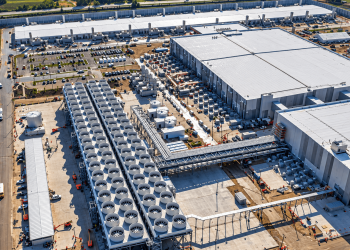
CoreWeave has grown rapidly by building large-scale AI data centers powered by advanced graphics processing units (GPUs), primarily supplied by Nvidia.
To finance this expansion, the company has relied heavily on debt markets, issuing billions of dollars in high-yield bonds and securing large financing packages backed by long-term customer contracts. While this strategy has enabled rapid growth, it has also left investors closely watching the company’s leverage and future cash flows.
As concerns about AI valuations increase, investors are demanding higher returns to hold riskier corporate debt.
What Are Junk Bonds?
Junk bonds, also known as high-yield bonds, are debt securities issued by companies with below-investment-grade credit ratings.
Because these companies typically carry higher financial risk, they must offer higher interest rates to attract investors. Bond prices generally fall when investors become more concerned about a company’s ability to repay its debt or when broader market sentiment weakens.
The recent decline in CoreWeave’s bonds reflects growing caution rather than confirmation of financial distress.
AI Boom Has Fueled Massive Infrastructure Spending
The explosion of generative AI has triggered unprecedented investment in data centers, cloud infrastructure, and advanced semiconductor hardware.
Technology companies are spending hundreds of billions of dollars to build computing capacity capable of training and running increasingly sophisticated AI models. CoreWeave has emerged as one of the largest beneficiaries of this trend by providing cloud-based access to high-performance AI computing resources.
However, maintaining that rapid expansion requires enormous capital investment, much of it financed through borrowing.
Investors Are Becoming More Selective
While enthusiasm for artificial intelligence remains strong, credit markets are beginning to distinguish between companies with stable cash generation and those relying heavily on future growth expectations.
Investors are increasingly asking questions such as:
- Can AI infrastructure demand remain strong over the long term?
- Will companies generate enough revenue to justify current spending levels?
- How sustainable are highly leveraged business models if market conditions weaken?
These concerns have contributed to increased volatility across AI-related debt markets.
CoreWeave Continues to Expand Despite Market Concerns
Despite pressure in the bond market, CoreWeave continues expanding its infrastructure footprint.
The company has secured major long-term agreements with leading AI developers and cloud customers while investing aggressively in new data centers and next-generation computing hardware. Revenue has continued growing rapidly, although profitability remains under pressure as expansion costs remain elevated.
Management has maintained that current investments position the company to benefit from long-term AI adoption.
Why Credit Markets Matter
Bond investors often react differently from stock investors.
While equity markets tend to focus on future growth potential, credit investors prioritize cash flow stability, debt repayment capacity, and financial resilience. As a result, weakness in corporate bonds can sometimes signal increasing concern about financing conditions even when a company’s business continues to grow.
Analysts note that companies funding large AI infrastructure projects may continue facing close scrutiny as borrowing requirements increase.
Looking Ahead
The decline in CoreWeave’s junk bonds highlights a shift in investor sentiment as markets move beyond excitement surrounding artificial intelligence and begin focusing more closely on financial fundamentals.
Although demand for AI computing infrastructure remains robust, investors are paying greater attention to leverage, profitability, and long-term sustainability. Companies that can successfully balance rapid growth with disciplined financial management are likely to maintain stronger access to capital as the AI industry continues to evolve.
For now, CoreWeave remains one of the most closely watched companies in the AI infrastructure sector, with its performance serving as an important indicator of broader investor confidence in the artificial intelligence investment boom.